A Comparison of Kilimanjaro Routes: Which One Is Right for You?
Mount Kilimanjaro attracts climbers from around the world because it offers the opportunity to stand on Africa’s highest peak without requiring technical mountaineering skills. Rising to 5,895 meters above sea level, Kilimanjaro presents a challenge that depends more on endurance, acclimatization, and determination than climbing expertise. While reaching Uhuru Peak remains the ultimate goal, the route you choose will have a major influence on your overall experience.
Each route approaches the mountain from a different direction and offers unique scenery, varying levels of difficulty, different accommodation styles, and distinct acclimatization opportunities. Some routes provide a quieter wilderness experience, while others attract larger numbers of trekkers. Understanding these differences can help you choose the route that matches your expectations, fitness level, and travel style.
Marangu Route
The Marangu Route is the oldest and most established route on Kilimanjaro. It approaches the mountain from the southeast and remains the only route that uses mountain huts instead of tents. For many years, it served as the most popular way to climb Kilimanjaro, particularly among trekkers who preferred more basic indoor accommodation.
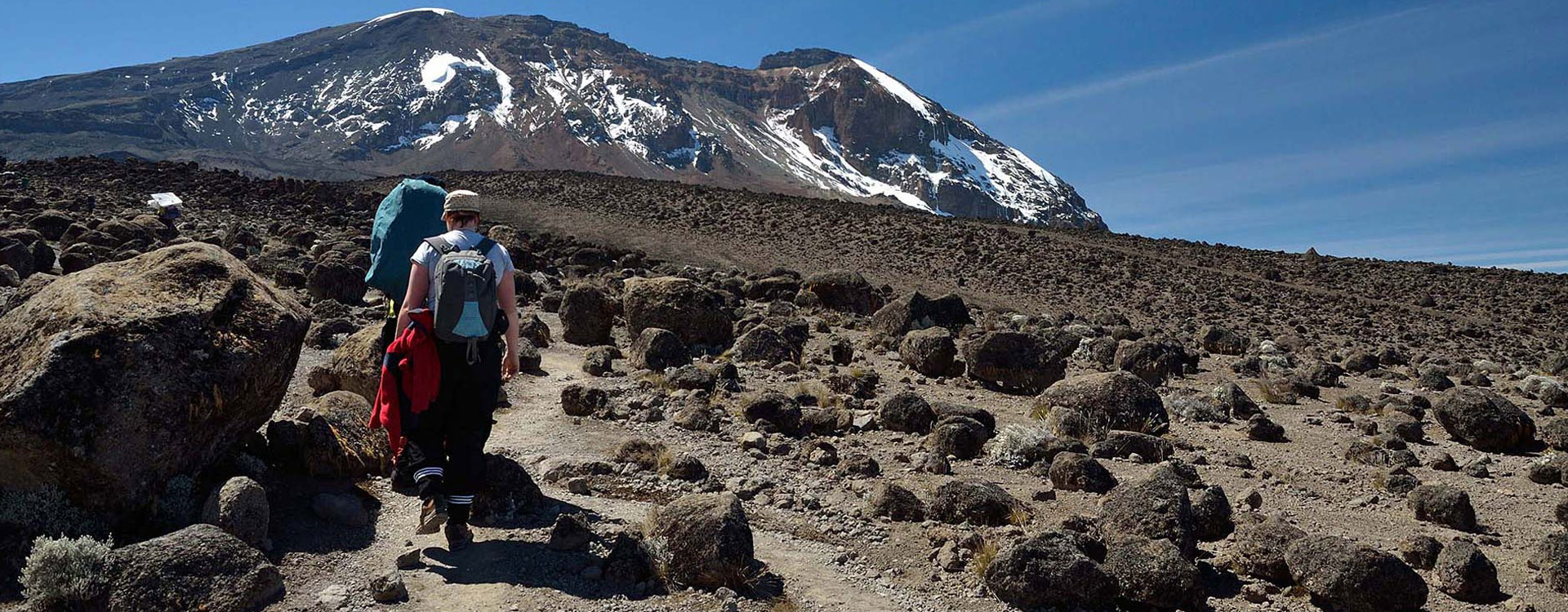
The trail begins in lush rainforest where towering trees, dense vegetation, and abundant birdlife create an impressive introduction to the mountain. As climbers gain altitude, the landscape gradually transforms into moorland before eventually reaching the alpine desert zone near the summit.
One of the biggest attractions of the Marangu Route is its simplicity. The trail is relatively straightforward, and the hut system provides shelter from rain and cold temperatures. However, the route follows the same path for both ascent and descent, which reduces the variety of scenery compared to other options.
The biggest challenge lies in acclimatization. Many climbers attempt the route in five days, which allows limited time for the body to adapt to the increasing altitude. As a result, summit success rates tend to be lower than those achieved on longer routes.
Machame Route
The Machame Route has become one of the most popular choices on Kilimanjaro, largely because it combines excellent scenery with strong acclimatization opportunities. Many climbers consider it the perfect balance between adventure and success.
The route begins in dense rainforest on the southwestern side of the mountain. Climbers pass through towering trees covered in moss before emerging into open moorlands filled with giant lobelias and dramatic volcanic formations. As the trek continues, the landscapes become increasingly rugged and spectacular.
One of the route’s greatest strengths is its ability to help climbers adapt to altitude. The itinerary allows trekkers to climb higher during the day and descend slightly to sleep at lower elevations. This approach gives the body more time to adjust and significantly improves summit success rates.
The Machame Route requires camping throughout the trek, and some sections involve steep terrain. Climbers should expect physically demanding days, particularly when crossing the Barranco Wall. Despite the challenge, many trekkers find this route highly rewarding because of its remarkable scenery and strong acclimatization profile.
Lemosho Route
Many experienced guides consider the Lemosho Route the finest route on Kilimanjaro. It approaches the mountain from the western side and offers an exceptional combination of wilderness, scenic beauty, and gradual acclimatization.
The journey begins in remote forest areas where wildlife occasionally appears among the vegetation. This quieter start creates a sense of exploration that many climbers appreciate. As the route progresses, trekkers cross the expansive Shira Plateau, one of Kilimanjaro’s most beautiful landscapes.
The route then follows the southern circuit around the mountain, providing panoramic views from multiple directions. Climbers experience a wide variety of ecosystems, from rainforest and moorland to alpine desert and glacial summit terrain.
The longer itinerary gives the body more time to adapt to altitude, which contributes to some of the highest summit success rates on the mountain. Although the route requires additional days and a larger budget, many climbers believe the investment is worthwhile because of the overall quality of the experience.
Shira Route
The Shira Route shares much of its path with the Lemosho Route but starts at a much higher elevation. Rather than beginning in lower forest areas, climbers start on the Shira Plateau itself, which sits above 3,500 meters.
The route offers some of the most dramatic views on Kilimanjaro. The plateau stretches across a vast volcanic landscape where open skies and distant mountain peaks create a striking sense of scale. Many trekkers describe this section as one of the most beautiful areas on the mountain.
However, the higher starting altitude presents a significant challenge. Climbers gain elevation rapidly from the very beginning, leaving less time for gradual acclimatization. For this reason, many guides recommend Lemosho instead, particularly for first-time climbers.
Trekkers who already have experience at altitude often enjoy the Shira Route because it provides exceptional scenery and a relatively quiet environment.
Rongai Route
The Rongai Route approaches Kilimanjaro from the northern side near the Kenyan border. This route receives fewer visitors than Machame or Marangu, making it an attractive choice for climbers seeking a quieter experience.
The northern slopes generally receive less rainfall than other parts of the mountain. This creates drier trekking conditions and can make the route especially appealing during wetter months.
The landscapes differ noticeably from the southern routes. The terrain feels more open, and the gradual ascent allows trekkers to settle into a comfortable rhythm. While the scenery remains beautiful, many climbers feel it lacks some of the dramatic variety found on Lemosho or Machame.
The route’s steady elevation gain supports acclimatization, and many climbers appreciate the peaceful atmosphere that characterizes much of the trek.
Northern Circuit Route
The Northern Circuit is the longest route on Kilimanjaro and offers the most comprehensive mountain experience available. After crossing the western side of the mountain, the route circles around the remote northern slopes before approaching the summit.
This extended journey provides exceptional acclimatization opportunities. The slower pace allows climbers to adjust gradually to the altitude, which contributes to some of the highest summit success rates on Kilimanjaro.
The northern side of the mountain remains remarkably quiet. Trekkers often spend long periods without encountering other groups, creating a genuine wilderness experience. The route also offers unique viewpoints that many climbers never see on shorter itineraries.
The primary drawback is the additional time required. Climbers must dedicate more days to the trek, which increases both costs and scheduling requirements. For those with sufficient time, however, the Northern Circuit often delivers the most complete Kilimanjaro experience.
Umbwe Route
The Umbwe Route is widely regarded as the most challenging route on Kilimanjaro. It approaches the mountain through steep forested slopes and gains altitude quickly.
The trail feels wild and remote from the very beginning. Dense vegetation surrounds the lower sections, while higher elevations reveal dramatic ridges and rugged terrain. The route appeals to climbers seeking a more demanding adventure.
Its greatest challenge is the rapid ascent. The limited acclimatization time increases the likelihood of altitude-related difficulties, and summit success rates generally remain lower than those on longer routes.
Experienced trekkers who have previously handled high-altitude environments may appreciate the direct and physically demanding nature of the Umbwe Route. For first-time Kilimanjaro climbers, other routes usually provide a better balance of challenge and acclimatization.
Choosing the Right Route for Your Climb
Selecting the right Kilimanjaro route depends largely on your priorities. Climbers who prefer hut accommodation often gravitate toward Marangu. Those looking for excellent scenery and strong acclimatization frequently choose Machame or Lemosho. Travelers seeking solitude and maximum summit success often favor the Northern Circuit.
Rongai appeals to trekkers who want quieter trails and drier conditions, while Shira attracts those who appreciate dramatic volcanic landscapes. Umbwe remains the choice for experienced hikers who want a demanding ascent.
For most first-time climbers, the Lemosho Route provides the strongest overall combination of scenery, acclimatization, comfort, and summit success. It delivers the classic Kilimanjaro experience while maximizing the chances of reaching Uhuru Peak safely.