The Shira Route
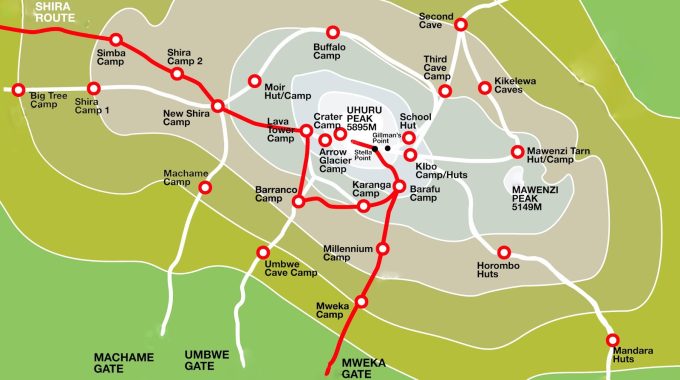
The Shira Route offers one of the most scenic approaches to Mount Kilimanjaro in Tanzania. It approaches the mountain from the western side and crosses the vast Shira Plateau before joining the Lemosho Route. This route attracts trekkers who want wide landscapes, fewer crowds, and a gradual introduction to high-altitude trekking.
The Shira Route stands out for its early altitude gain and its dramatic views of Kilimanjaro’s volcanic slopes. It rewards trekkers with open moorlands, sweeping skies, and a strong sense of wilderness. At the same time, it demands careful acclimatization because it begins at a relatively high elevation.
Understanding the Shira Route and Its Origin
The Shira Route follows an ancient volcanic path that once formed part of Kilimanjaro’s early geological structure. The Shira volcano collapsed thousands of years ago, leaving behind a vast plateau that now forms one of the most striking features on the mountain.
Trekkers enter this plateau from the western side of Kilimanjaro. The route starts higher than most other trails, which creates both an advantage in terms of distance and a challenge in terms of acclimatization. Many climbers now combine Shira with Lemosho because this combination improves safety and increases summit success rates.
The route passes through diverse ecological zones. Each zone changes the landscape, temperature, and vegetation. Trekkers move from heath and moorland into alpine desert before reaching the icy summit zone.
Starting Point of the Shira Route
The Shira Route begins near the Londorossi Gate on the western side of Kilimanjaro National Park. From there, trekkers drive to the Shira Ridge before they start walking across the plateau. This starting elevation already places climbers at a higher altitude than several other Kilimanjaro routes.
The first steps on the Shira Route feel wide and open. The forest cover appears sparse compared to other approaches like Marangu or Machame. Instead of dense rainforest, trekkers experience expansive moorlands and sweeping views of the mountain’s upper slopes.
The early altitude gain requires careful pacing. Trekkers often feel the thinner air within the first day. Guides encourage slow movement and steady hydration to support acclimatization.
The Shira Plateau Experience
The Shira Plateau forms the heart of the Shira Route. This ancient caldera spreads across a wide area and offers some of the most dramatic scenery on Kilimanjaro. The plateau sits at an altitude of around 3,500 meters, which creates a unique high-altitude environment filled with open grasslands, volcanic rock formations, and shifting weather patterns.
Trekkers walk across wide plains that feel almost lunar in character. Clouds often move quickly across the plateau, and sunlight shifts constantly across the landscape. This environment creates a sense of isolation and vastness that few other trekking routes offer.
Wildlife sightings occasionally occur in the lower sections of the plateau. Buffalos and antelopes sometimes move through the grasslands, especially in early morning hours. Birdlife also thrives in this zone, adding sound and movement to the open terrain.
Shira Route and Its Connection to Lemosho
The Shira Route merges with the Lemosho Route after the plateau crossing. This connection creates a longer and more balanced ascent to Kilimanjaro’s summit. Most trekking operators now recommend this combination because it improves acclimatization and increases summit success rates.
Trekkers who follow this combined route move through Shira Camp, then continue toward Lava Tower and Barranco Camp. These stages allow the body to adjust gradually to increasing altitude.
The connection also adds variety to the journey. Trekkers experience both the open plateau of Shira and the lush rainforest sections of Lemosho before reaching the alpine desert.
Vegetation Zones Along the Shira Route
The Shira Route passes through several ecological zones that change with altitude. The lower sections show heath and moorland vegetation. This zone includes giant heathers, small shrubs, and scattered grasses that survive in cold and dry conditions.
As trekkers climb higher, the landscape shifts into alpine desert. This zone feels stark and rocky. Vegetation becomes sparse, and temperatures drop significantly, especially at night. The environment here tests endurance and mental focus.
Near the upper sections of the route, climbers enter the high alpine zone. This area supports almost no plant life. The terrain consists mainly of volcanic rock, ice patches, and loose gravel. The summit zone then introduces freezing conditions and strong winds.
Acclimatization Challenges on the Shira Route
The Shira Route presents a unique acclimatization challenge because it starts at a high elevation. Trekkers gain altitude quickly, which can increase the risk of altitude sickness if the body does not adjust properly.
Guides manage this challenge through slow pacing and structured trekking schedules. They encourage trekkers to walk “pole pole,” a Swahili phrase that means slowly and steadily. This approach helps the body adjust to reduced oxygen levels.
Many itineraries now extend the Shira Route by adding extra days. These additional days improve acclimatization and significantly increase the chances of reaching Uhuru Peak.
Trekkers also benefit from proper hydration and balanced nutrition during the climb. These elements support oxygen flow and reduce fatigue.
Scenic Highlights of the Shira Route
The Shira Route delivers some of the most dramatic scenery on Kilimanjaro. The Shira Plateau offers wide-open views that stretch toward the mountain’s summit. On clear days, trekkers can see the full profile of Kilimanjaro rising above the clouds.
Sunrise and sunset create powerful visual moments on the plateau. Light spreads across the volcanic terrain and highlights the textures of ancient rock formations. These moments often define the trekking experience for many climbers.
As trekkers move closer to higher camps, they begin to see glaciers and snowfields. These icy formations contrast sharply with the dry landscapes below and remind climbers of the mountain’s extreme altitude range.
Physical Demands of the Shira Route
The Shira Route requires moderate to high physical fitness. The terrain includes long walking distances, steep climbs, and cold nighttime temperatures. The early altitude gain also increases physical strain.
Trekkers must prepare for reduced oxygen levels from the first day. Breathing becomes more difficult during steep sections, and fatigue appears faster than at lower elevations.
Despite these challenges, the route does not require technical climbing skills. Most people with good fitness levels and proper preparation can complete the trek successfully.
Porters play an important role in supporting trekkers. They carry heavy equipment, set up camps, and ensure smooth logistics throughout the journey. This support allows trekkers to focus on walking and acclimatization.
Weather Conditions on the Shira Route
Weather on the Shira Route changes quickly due to altitude and exposure. The lower plateau experiences mild temperatures during the day, but nights become cold and windy.
As trekkers climb higher, temperatures drop significantly. Frost often forms at night in the alpine desert zone. Strong winds also affect exposed sections of the route, especially near ridges and open slopes.
Rainfall occurs mainly in the wet seasons, but weather remains unpredictable throughout the year. Clear mornings often turn into cloudy afternoons, especially in higher zones.
Why Trekkers Choose the Shira Route
Trekkers choose the Shira Route because it offers wide landscapes and fewer crowds compared to more popular routes like Machame or Marangu. The western approach creates a sense of isolation that appeals to climbers who want a quieter experience.
The route also provides strong scenic diversity. Trekkers move from open plateaus to volcanic ridges and then into alpine deserts within a few days. This variety creates a dynamic trekking experience.
The combination with Lemosho also increases summit success rates. This factor makes the Shira Route attractive for climbers who want both beauty and performance.
Responsible Trekking on the Shira Route
Responsible trekking plays an important role in preserving Kilimanjaro’s environment. Trekkers must follow park regulations, avoid littering, and respect wildlife zones.
Guides ensure that groups follow designated paths to reduce environmental impact. Porters also help maintain clean camps by managing waste and carrying out all non-biodegradable materials.
These practices protect the Shira Plateau and maintain its natural beauty for future trekkers.
The Future of the Shira Route
The Shira Route continues to serve as an important part of Kilimanjaro’s trekking network. Conservation authorities monitor foot traffic and environmental impact to ensure long-term sustainability.
Most operators now promote the Shira-Lemosho combination to balance safety and environmental protection. This approach strengthens acclimatization success while reducing pressure on any single section of the mountain.
The route will likely remain a preferred choice for trekkers who value scenery, solitude, and a strong connection with Kilimanjaro’s volcanic history.