Little Five Africa Explained: Discover Africa’s Fascinating Small Wildlife
When people think about an African safari, they often imagine lions, elephants, leopards, rhinos, and buffalo. These famous animals are known as the Big Five. However, Africa also has another fascinating group of creatures called the Little Five.
The Little Five are smaller animals named after their larger wildlife counterparts. They include the elephant shrew, buffalo weaver, leopard tortoise, antlion, and rhinoceros beetle.
Although they are small in size, these creatures play important roles in Africa’s ecosystems. Discovering the Little Five adds a unique experience to any safari adventure.
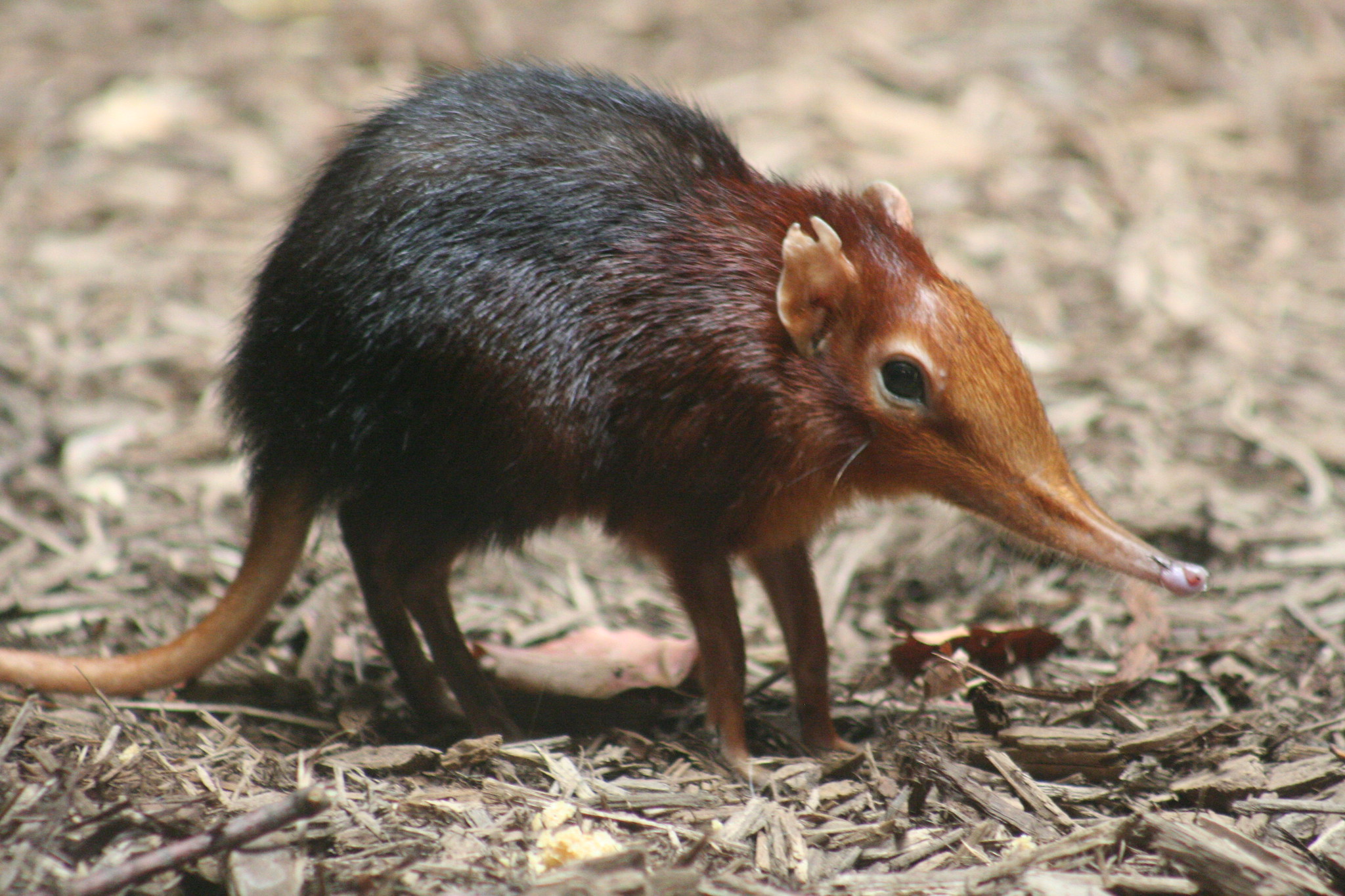
Elephant Shrew: The Tiny Animal with a Long Nose
The elephant shrew is one of Africa’s most interesting small mammals. It gets its name from its long nose, which looks similar to an elephant’s trunk. Despite its small size, the elephant shrew is active and fast. It uses its pointed nose to search for insects, seeds, and other small food items.
Elephant shrews live in forests, grasslands, and rocky areas across parts of Africa. Their quick movements help them escape predators and survive in the wild.
Buffalo Weaver: Africa’s Busy Bird Builder
The buffalo weaver represents the African buffalo in the Little Five. This small bird is known for its strong relationship with dry savannah environments. Buffalo weavers build large, untidy nests using grass, sticks, and other plant materials. Their nests often contain several chambers where different birds can live.
They feed mainly on seeds, insects, and small plant materials. Their social behavior makes them interesting birds to observe during safari walks.
Leopard Tortoise: The Spotted Survivor
The leopard tortoise is named after the leopard because of the beautiful spotted patterns on its shell. It is one of Africa’s largest tortoise species and can live for many years. Its strong shell protects it from predators and harsh environmental conditions.
Leopard tortoises are herbivores. They feed on grasses, flowers, leaves, and other vegetation found in savannah habitats. They move slowly but have excellent survival abilities, allowing them to live in different African landscapes.
Antlion: The Small Predator with a Clever Trap
The antlion represents the lion in the Little Five. This tiny insect is famous for its unique hunting technique. Antlion larvae create cone-shaped traps in loose sand. When small insects, especially ants, fall into the trap, the antlion catches them using its powerful jaws.
Although small, the antlion shows incredible patience and hunting skills. Its behavior demonstrates the amazing adaptations found in Africa’s smallest creatures.
Rhinoceros Beetle: The Powerful Little Insect
The rhinoceros beetle represents the rhino in the Little Five. It gets its name from the horn-like structure found on the heads of many males. Despite being small, rhinoceros beetles are extremely strong compared to their body size. Some species can lift objects many times heavier than their own weight.
They help the environment by breaking down plant material and supporting healthy ecosystems.
Why Are the Little Five Important?
The Little Five may not attract the same attention as Africa’s larger animals, but they are essential parts of nature. Small creatures help with pollination, soil health, food chains, and ecosystem balance. Protecting them is just as important as protecting larger wildlife.
They also remind travelers that every animal has a role in maintaining Africa’s natural environment.
Where Can You See Africa’s Little Five?
The Little Five can be found in many African safari destinations. They are often spotted during guided nature walks, game drives, and wildlife experiences. Countries such as Kenya, Tanzania, Uganda, Namibia, Botswana, and South Africa offer excellent opportunities to discover these fascinating creatures.
Unlike the Big Five, which are easier to recognize from a distance, finding the Little Five requires patience and careful observation.
Little Five vs. Big Five Safari Experience
The Big Five represent power, size, and famous wildlife encounters. The Little Five represent discovery, detail, and the hidden beauty of nature.
A safari is not only about finding the largest animals. It is also about appreciating the smaller species that make Africa’s ecosystems complete. A guided nature walk can reveal incredible creatures that are often missed during traditional game drives.
Plan Your African Wildlife Experience
Exploring Africa’s Little Five offers a different perspective on the continent’s wildlife. These small but remarkable animals show the creativity and diversity of nature.
From the tiny elephant shrew to the powerful rhinoceros beetle, every discovery adds meaning to your safari journey.