Are Children Allowed on Gorilla Treks?
Gorilla trekking age limit. Many travellers wonder whether children can join gorilla trekking experiences. Gorilla trekking takes place in remote forests, steep terrain, and environments that require discipline, strength, and strict health rules. Because of this, Uganda, Rwanda, and Congo set clear age limits that protect both the gorillas and the trekkers. The gorilla encounter becomes intense, emotional, and unpredictable, so the age restriction ensures safety and responsible tourism. Understanding these rules helps families plan their trips confidently.
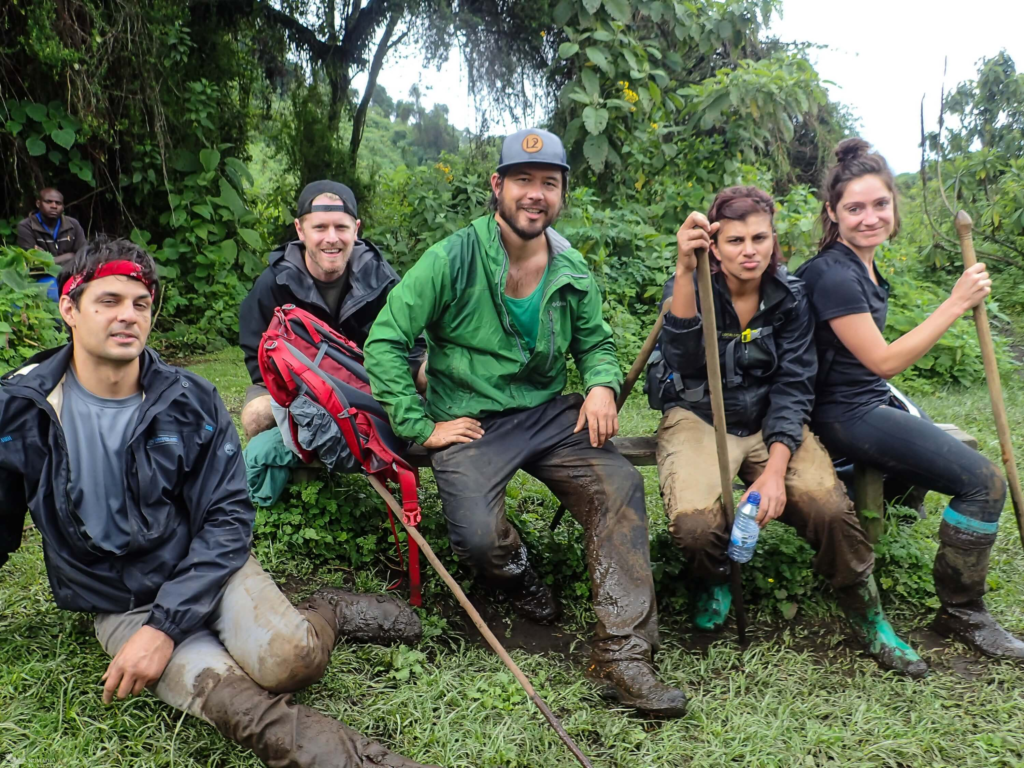
Minimum Age Requirement for Gorilla Trekking
All gorilla destinations enforce one rule: children under 15 are not allowed on gorilla treks.
The rule applies in:
Rwanda’s Volcanoes National Park
Uganda’s Bwindi and Mgahinga parks
Congo’s Virunga National Park
Fifteen marks the official age at which a person can participate in a gorilla trek. The rule stays strict because gorilla trekking demands physical stamina, controlled behaviour, and the ability to follow ranger instructions at all times.
Why the Age Limit Exists
Gorillas share close genetic similarity with humans, which makes them vulnerable to diseases. Children often carry minor infections without noticeable symptoms. A simple cold could affect a gorilla family. The age limit reduces this risk.
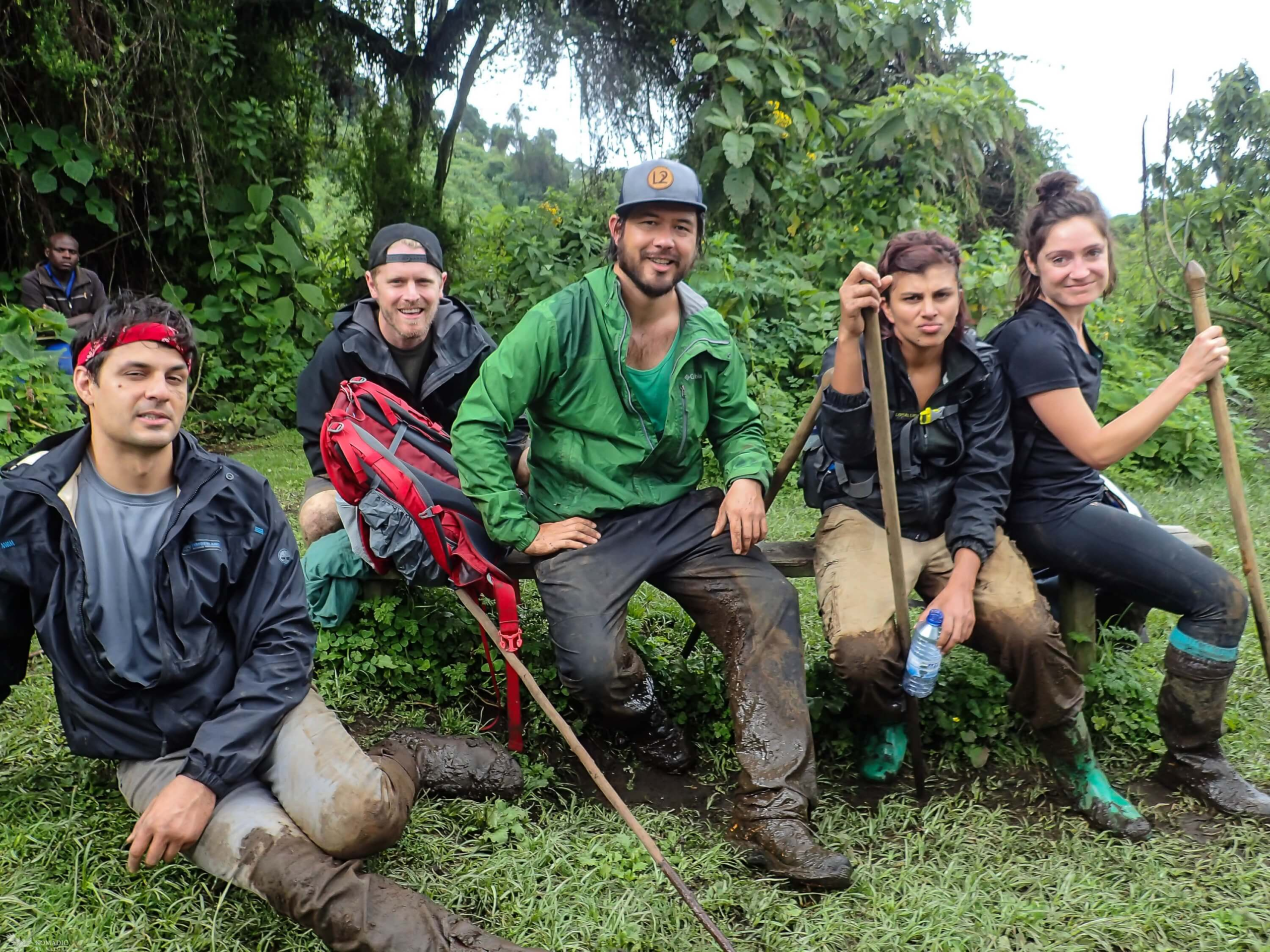
The terrain also creates challenges. Gorilla trails pass through steep slopes, deep vegetation, mud, and shifting paths. Children may struggle to keep pace or maintain safe behaviour around the gorillas.
Behavioural unpredictability also plays a role. Gorillas respond to sudden movements, loud voices, or fear reactions. Rangers need trekkers who can remain calm, quiet, and disciplined during the encounter.
The age limit protects the gorillas’ wellbeing and ensures that every trek unfolds safely and respectfully.
Exceptions and What Families Can Expect
Occasionally, rangers may consider a child who turns 15 within a few weeks of the trek, but such decisions depend entirely on park authorities. Approval remains rare and evaluated case by case. Parents must provide documentation of the child’s age, maturity, and physical ability.
Families planning a trip with young children still enjoy many activities around gorilla regions. Nature walks, community tours, cultural experiences, hiking, and birdwatching offer meaningful alternatives while older family members trek with the gorillas.
What Happens If a Child Appears Younger Than 15
Park rangers verify age using passport details. If a child appears significantly younger, rangers may request additional identification. Trekkers should carry a passport to avoid delays. If documentation shows the child is under 15, the park will refuse entry, even if the permit was purchased earlier. This strict enforcement ensures standard safety for all visitors and gorilla families.
Ideal Age for a First Gorilla Trek
The best age for a first gorilla trek often ranges from 16 to adulthood. Teenagers handle altitude, terrain, and trekking instructions more easily. They also understand the significance of the experience and appreciate conservation values deeply. The encounter becomes meaningful and emotionally rich for young adults.
Why Families Should Plan Ahead
Families benefit from booking treks early and organising parallel activities for younger members. Accommodation near gorilla forests often supports guided walks, craft workshops, and nature excursions tailored to children. Planning ensures a smooth trip where every family member enjoys the region.
Understanding the age rule early prevents disappointment and helps families choose the right time to introduce their children to gorilla trekking.
Plan Your Safari
If you want, I can create a family-friendly itinerary, a list of activities for children near gorilla parks, or a gorilla trekking guide for teens preparing for their first trek.