Africa’s Best Walking Safaris: Tanzania, Zambia, Zimbabwe & Uganda
Why Walking Safaris Offer What Vehicles Cannot
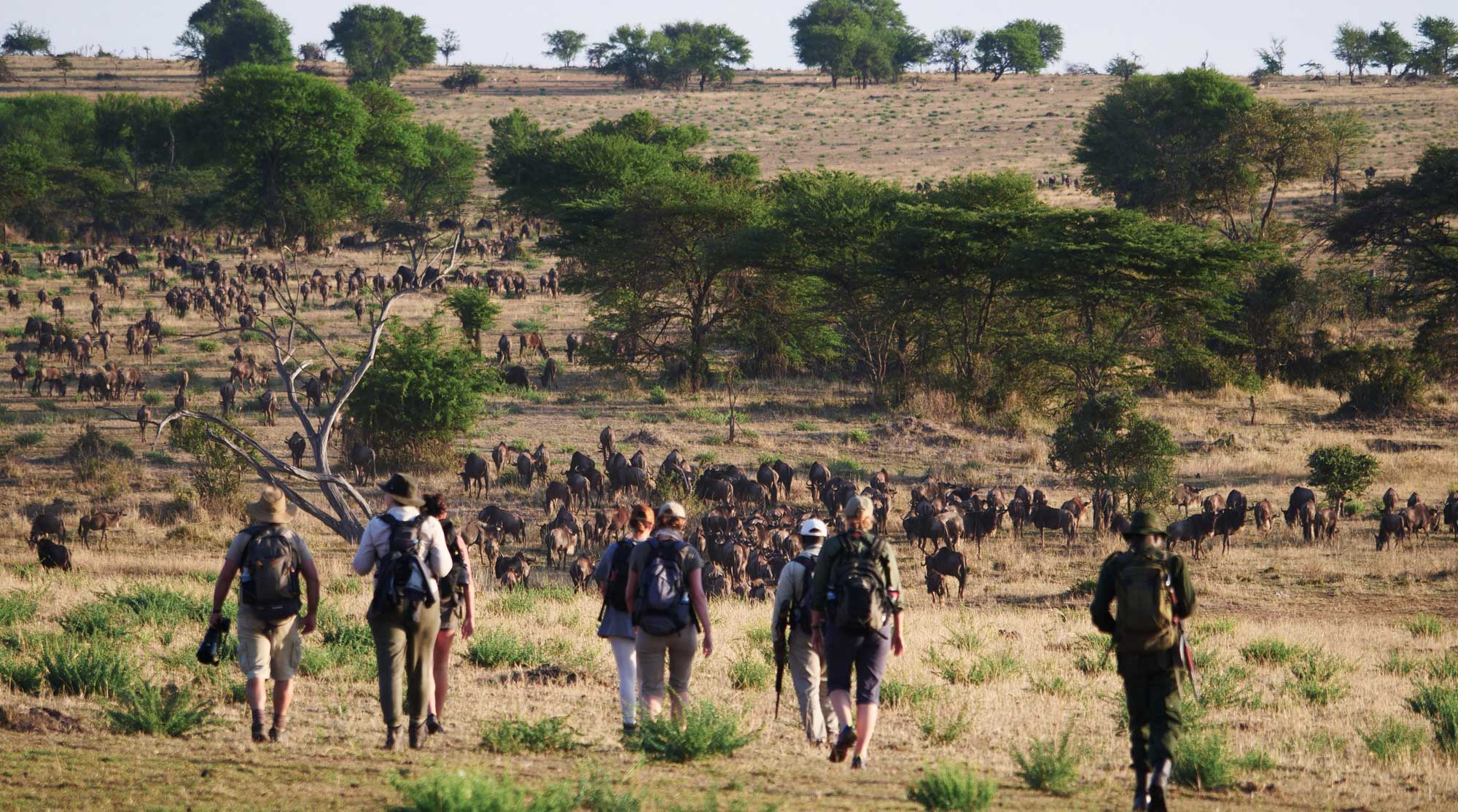
A vehicle safari and a walking safari use the same African landscape but produce entirely different experiences. From inside a Land Cruiser, the bush flows past you — impressive, cinematic, and slightly removed. On foot, the same landscape becomes immediate and detailed in ways that no vehicle can replicate. The smell of elephant dung and crushed sage fills your senses. The sound of a lion’s distant roar carries on morning air. The tracks of a leopard pressed into soft sand from the night before tell a story. These details define the walking safari experience. They explain why many experienced safari travelers regard it as the most authentic way to engage with the African wilderness. Walking safaris require armed professional guides and physical fitness. They also require a willingness to accept that you may not see every Big Five species. What they offer in return is a connection to the bush that transforms how you understand Africa.
Africa’s best walking safari destinations concentrate in four countries: Tanzania, Zambia, Zimbabwe, and Uganda. Each offers something distinct. Tanzania’s walking safari tradition is rooted in the remote wilderness of the Selous-Ruaha corridor. Zambia pioneered the modern walking safari as a commercial offering in the 1970s. It remains the continent’s premier destination for on-foot wildlife encounters. Zimbabwe’s Save Valley Conservancy and Mana Pools national park deliver extraordinary walking experiences against dramatic landscapes. Uganda combines primate tracking walks with savanna walking at a handful of well-run camps. Understanding what each country offers is the first step toward choosing the walking safari that matches your ambitions.
Tanzania Walking Safaris
Nyerere National Park Walking Safari
The Selous Game Reserve — now partly renamed Nyerere National Park — is one of Africa’s largest protected areas. It is one of Tanzania’s best-kept secrets for walking safaris. The remote northern section, accessible only by fly-in camps, holds exceptional wildlife densities without the tourist volumes of the northern circuit. Walking safaris here typically combine morning walks with afternoon boat safaris on the Rufiji River. This gives travelers two entirely different perspectives on the ecosystem within a single day. The Rufiji’s hippo pods, crocodiles basking on sandbanks, and extraordinary birdlife along the river complement the on-foot bush experience beautifully.
Wildlife in the Selous walking circuit includes large elephant herds, lion prides, leopards. And wild dogs. One of the largest populations in Africa. Alongside the full suite of plains game. Walking allows you to read the landscape in a way that a vehicle cannot. A bent stem of grass indicates where an elephant stood hours earlier. A disturbance in an anthill marks a recently active aardvark. The scratch marks on a termite mound were left by a pangolin. Experienced walking guides narrate these details continuously. They build a picture of the ecosystem that transforms subsequent game drives into something far richer. The best Selous walking camps combine three-night itineraries with enough time to develop this literacy of the bush.
Ruaha Walking Safari Experience
Ruaha National Park is Tanzania’s largest national park and one of the continent’s most underrated safari destinations. The park holds large lion populations, significant leopard numbers, an impressive cheetah population. And one of Africa’s largest wild dog populations. It also supports massive herds of buffalo and elephant. Walking safaris at Ruaha operate from a handful of camps in the park’s remote western and central sections. Vehicle traffic is minimal there. The sense of wilderness is extraordinary. The Great Ruaha River runs through the park’s heart. It provides water-dependent wildlife concentrations that make walking near the riverine woodland consistently productive.
Ruaha’s walking safari season aligns with the dry season from June through October. Vegetation thins and animal movements become more predictable around permanent water sources during this period. Kudu, sable antelope, roan, and lesser kudu are all possible in Ruaha’s distinctive mixed woodland. These are species rarely seen in the more famous northern circuit parks. The park’s combination of open grassland, dense riverine bush, and rocky outcrops creates a varied walking landscape. Different skills are rewarded at different points of each walk. Guides in Ruaha are among the most knowledgeable in Tanzania. They build deep familiarity with the park’s individual animal families over years of daily walks.
Zambia Walking Safaris
Norman Carr’s Legacy and Modern Walking
Zambia is widely credited as the birthplace of the modern commercial walking safari. Norman Carr established this tradition in South Luangwa National Park in the 1950s. Carr pioneered the concept of taking paying guests on foot through lion country with armed rangers. The walking safari culture he created has refined over seven decades into the most sophisticated on-foot safari tradition in Africa. South Luangwa today holds over 60 lodges and camps, many of which offer walking as a core activity. The standard of guiding in the park consistently ranks among the highest on the continent.
The best walking safaris in South Luangwa come from long-established operators. Their guides have spent years learning the park’s specific leopard territories, lion pride ranges, and wild dog pack movements. The Luangwa Valley’s clay soils hold tracks exceptionally well. This makes it easy to read the night’s activity each morning. The Luangwa River forms the park’s eastern boundary. It concentrates hippos, crocodiles, and the predators that exploit the river’s edge wildlife corridors. The combination of classic African savanna, fever tree woodland, and mopane forest gives walking guides an extraordinarily rich environment to interpret for their guests.
Kafue and Lower Zambezi Walking
Kafue National Park, Zambia’s largest protected area, offers walking safaris in its remote north through a handful of specialist camps. The Busanga Plains in northern Kafue support extraordinary lion and cheetah populations. Walking on the plains at dawn. With red lechwe leaping through shallow water and fish eagles calling overhead. Is one of the most dramatic walking experiences in Africa. Lower Zambezi National Park delivers walking safaris in the riverine forest and floodplain environments along the Zambezi. Elephant herds, buffalo, lion, and leopard operate in a compressed riverside corridor here. Canoe safaris on the Zambezi complement the on-foot experience. The view of Zimbabwe’s Matusadona hills across the river adds a dramatic visual backdrop.
Zimbabwe Walking Safaris
Unguided Walking in Mana Pools
Mana Pools National Park on Zimbabwe’s Zambezi escarpment is unique in Africa. It is one of the only parks on the continent where experienced visitors may walk unguided without an armed ranger. This policy reflects Zimbabwe’s long tradition of wilderness respect. It gives Mana Pools a character unlike any other African park. For those who prefer the guided route, the park’s licensed walking safari operators provide some of the continent’s most skilled guides. These are professionals who combine extraordinary animal knowledge with the calm, practiced judgment that walking in dangerous game country requires. Mana Pools’ terrain is shaped by ancient river channels and dominated by towering mahogany and winterthorn trees. It consistently ranks among walking safari devotees as Africa’s finest on-foot environment.
Wildlife in Mana Pools during the dry season from May through October is exceptional. The park is famous for its standing elephants. Individuals who rear up on their hind legs to reach pods high in the albida trees. These encounters on foot, with no vehicle as a barrier, produce photographs and memories of extraordinary power. Lion, leopard, wild dog, and buffalo are all resident. The park’s elephant population is among the most relaxed around people on foot of any African park. Walking in Mana Pools requires composure and experience. The rewards — an intimate encounter with Africa’s most iconic wildlife on their own terms — justify every step.
Save Valley and Hwange Walking
Save Valley Conservancy in Zimbabwe’s southeast is a massive private conservation area. It has reintroduced both black and white rhino alongside elephant, lion, leopard, wild dog, and cheetah. Walking safaris in the Save Valley offer the remarkable possibility of encountering rhino on foot. This is one of the rarest and most thrilling experiences in African wildlife travel. Hwange National Park in western Zimbabwe offers walking safaris from several camps in the park’s eastern section and surrounding private concessions. The park’s enormous elephant population. Over 40,000 individuals. Makes elephant encounters on foot an almost guaranteed element of any Hwange walk. Approaching a waterhole on foot in the early morning, before vehicle traffic begins, then watching elephant families arrive to drink at close range is a genuinely extraordinary experience. It rewards the discipline and patience that walking safari demands.
Uganda Walking Safaris
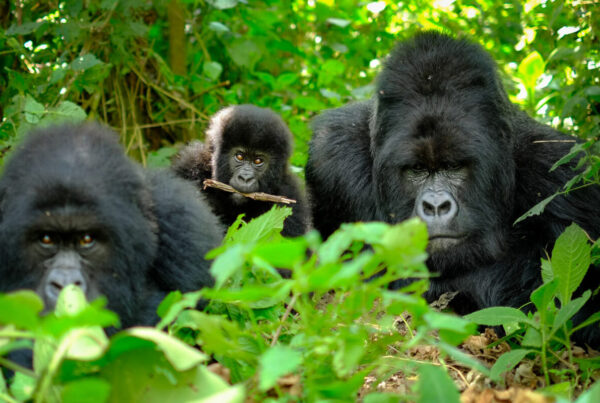
Uganda’s walking safari tradition is different in character from East and Southern Africa’s savanna-based approach. The country’s greatest walking experiences are in montane forest. These include gorilla trekking in Bwindi Impenetrable Forest and Mgahinga, chimpanzee tracking in Kibale Forest. And forest walks for colobus and red-tailed monkeys in several national parks. Uganda Wildlife Authority rangers and expert trackers guide these forest walks. The physical demand varies enormously depending on where the habituated animal groups have moved since the previous day.
Queen Elizabeth National Park offers savanna walking complementing the forest experiences, particularly in the Mweya Peninsula area. Buffalo, hippo, and Uganda kob are regularly encountered on foot there. The Kyambura Gorge at Queen Elizabeth is one of Africa’s most unusual walking destinations. A small chimpanzee community lives in a dramatic river gorge carved into the surrounding plains. This combines savanna and forest habitats within a single walk. Uganda’s walking experiences are best combined into a multi-day itinerary that moves between forest and savanna environments. This builds a complete picture of the country’s exceptional biological diversity.
Plan Your Safari
Walking safari bookings require more lead time than standard vehicle-based safaris. Armed ranger allocations and specialist guide availability are limited at the best camps. South Luangwa and Mana Pools in particular fill their walking slots months ahead of the dry season. Uganda gorilla permits sell out even earlier. Getting the logistics right from the start determines whether you walk with the continent’s best guides or settle for alternatives.
African Wild Trekkers designs walking safari itineraries across Tanzania, Zambia, Zimbabwe, and Uganda. We pair camps with the strongest walking reputations, book armed ranger slots. And build itineraries around the seasonal windows when walking conditions and animal behavior are at their peak.
Contact African Wild Trekkers at africanwildtrekkers.com/contact with your preferred walking safari destination and travel dates. We will design a fully guided on-foot Africa itinerary within 24 hours.