Bioluminescence Tanzania: Swimming in Zanzibar’s Glowing Ocean Waters
Bioluminescence in the ocean is produced by microscopic organisms called dinoflagellates. These single-celled plankton emit a brief flash of blue-green light when physically disturbed by water movement.
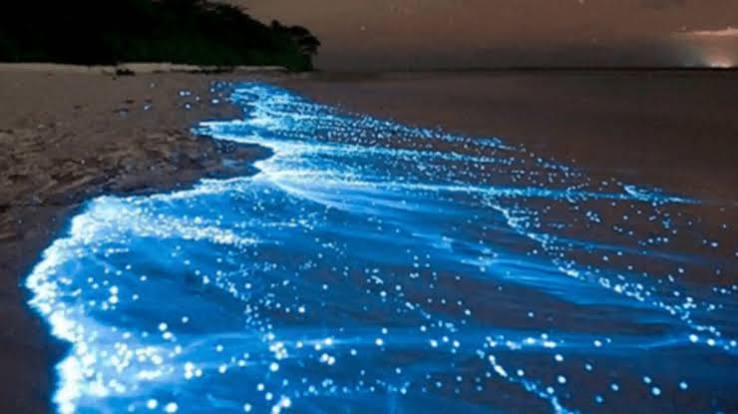
When dinoflagellate concentrations reach high enough densities in warm, sheltered coastal water, the effect becomes visible to the human eye. Every splash, wave, paddle stroke, and swimming movement through the water produces a trail of glowing blue light.
Fish moving through a bioluminescent bloom leave glowing wakes. A swimmer’s hands and arms glow as they move through the water. Jumping into a bioluminescent bay at night produces an explosion of cold blue light in every direction from the point of entry. Zanzibar’s warm, sheltered coastal waters produce bioluminescent blooms during specific conditions that combine warm water temperature, calm sea state, and peak dinoflagellate density.
Where Bioluminescence Occurs in Tanzania
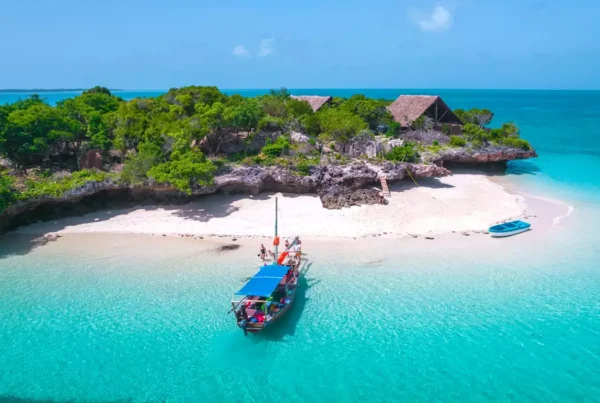
Zanzibar’s sheltered east coast bays and the lagoons behind the fringing reef produce the most consistent bioluminescence conditions in Tanzania. Paje Bay on Unguja’s east coast concentrates dinoflagellate populations during calm periods between April and October.
The south-east monsoon pushes warm offshore water into the sheltered lagoon behind the reef during this period. The bay’s shallow, enclosed conditions allow the plankton to concentrate in densities that produce clearly visible bioluminescence on the calmest, darkest nights.
Pemba Island’s sheltered western bays produce bioluminescent conditions of the same type during the same seasonal window. The Pemba Channel’s strong tidal currents deliver nutrient-rich water into these bays. Furthermore, Mafia Island in Tanzania’s southern coastal zone produces bioluminescent conditions in its Chole Bay during the calm October to February period between the two monsoon seasons.
Night Kayaking Through Bioluminescent Water
Night kayaking in bioluminescent water is the most immersive way to experience the phenomenon. Each paddle stroke through the water produces a glowing arc of disturbed dinoflagellates. The kayak’s bow wave glows continuously as the hull moves forward.
Fish that scatter ahead of the approaching kayak leave streaks of blue-green light across the shallow bottom. The experience is simultaneously scientifically interesting and visually beautiful in a way that requires no expertise to appreciate.
Night kayaking for bioluminescence operates from specific beach launch points in calm, protected water. The kayak stays within the lagoon area where the concentration is highest. The guide leads the group on a route that covers the most productive sections of glowing water. Moreover, the night sky visible above the kayak during a calm, moonless night adds a second layer of visual drama to an already extraordinary sensory experience on the water.
Best Conditions for Viewing
Several conditions combine to produce the strongest bioluminescence visible to the human eye. New moon nights produce the darkest sky and the most visible glow from the water. Calm sea state prevents wind-driven surface turbulence from dispersing the plankton concentration before it reaches peak density.
Warm water temperature above 26 degrees Celsius sustains the dinoflagellate reproduction rate that builds the bloom. The absence of artificial light from the shoreline allows the eye to dark-adapt fully before entering the water.
Light-adapted eyes require 15 to 20 minutes of complete darkness to become sensitive enough to see weak bioluminescent signals. Arriving at the launch point before full dark and remaining in darkness until the eye adaptation is complete maximises the visual quality of the experience. Additionally, stirring the water with a hand rather than entering it immediately allows a first impression of the glow’s intensity before the full immersion begins.
Plan Your Safari
Bioluminescence night kayaking at Zanzibar’s Paje Bay operates through local water sports operators at the east coast beach camps. Advance booking is necessary as the activity runs on specific calm-night windows rather than on a daily schedule. The operator monitors conditions and confirms the session approximately 24 hours before the scheduled departure.
Pemba Island bioluminescence experiences book through the island’s dive camps as evening activities alongside the dive programme. Mafia Island’s Chole Bay bioluminescence viewing is available from the island’s lodge accommodation between October and February. The experience works most reliably on new moon weekends when sky darkness is maximum.
African Wild Trekkers includes bioluminescence night kayaking in Zanzibar and Pemba Island extensions within Tanzania safari itineraries. Contact us to plan a Tanzania safari with a Zanzibar coastal extension that includes this unforgettable encounter with the Indian Ocean’s living light.