Tribal Ceremony Watch Africa: Witnessing Authentic Cultural Ceremonies in East Africa
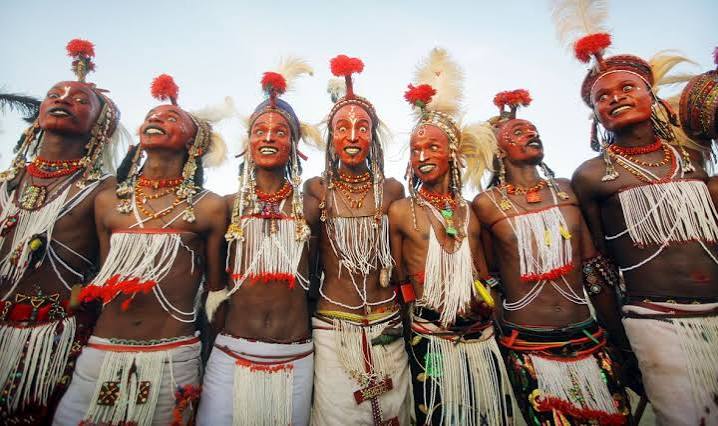
East Africa’s cultures maintain active ceremonial traditions that structure community life across the year. These ceremonies mark transitions, celebrate seasons, resolve disputes, and honour ancestors. They are not performances staged for visitors.
They are living practice through which communities transmit identity, values, and knowledge from one generation to the next. Witnessing a genuine community ceremony as a respectful observer provides access to a dimension of African life that wildlife-focused safari programmes rarely include.
The cultural depth of East Africa matches its biological diversity. A safari that includes both dimensions is a richer and more complete experience of the continent than one that focuses on wildlife alone.
Maasai Age-Set Ceremonies in Kenya and Tanzania
The Maasai social structure is organised around age-sets through which males progress across their lifetimes. Each transition between age-sets is marked by ceremony. The Eunoto ceremony marks the transition from junior warrior to senior warrior status.
Young men who have completed their junior warrior years shave their long ochre-coloured hair and receive new responsibilities and privileges. The ceremony takes place over several days at the host family’s manyatta. Guests gather from a wide area. Cattle are slaughtered and shared. Singing, dancing, and formal speeches mark each stage of the ritual.
Furthermore, the Enkiama ceremony marks the transition of the senior warrior age-set into elder status. These major age-set ceremonies occur on decade-long cycles in specific regions. They require knowledge of the community’s ceremonial calendar to witness as a genuine observer rather than as a staged tourist experience.
Harvest and Seasonal Ceremonies
Agricultural communities across East Africa mark harvest completion and seasonal transition with ceremony. The Kikuyu community in Kenya’s highland regions maintains harvest thanksgiving traditions linked to the agricultural calendar. The Kalenjin communities of the Rift Valley hold seasonal ceremonies tied to their pastoral calendar.
In Uganda, the Buganda Kingdom’s ceremonial calendar includes royal ceremonies at Mengo Palace in Kampala that are open to respectful visitors during specific royal events. Tanzania’s Chagga community on the slopes of Kilimanjaro maintains banana harvest and rainmaking ceremonies.
Each of these ceremonies carries specific meaning in its community context that a guide familiar with that community can explain in real time as the ceremony unfolds.
Approaching Community Ceremonies Respectfully
The quality and ethical integrity of a tribal ceremony experience depends entirely on the approach taken. Ceremonies arranged by a guide through genuine community relationships differ fundamentally from staged cultural performances at tourist camps.
Genuine ceremonies require advance communication with the community elders, appropriate gifts or contributions, sensitivity to the ceremony’s protocols, and willingness to follow the community’s specific rules about where visitors may stand, what they may photograph, and when they should leave.
Moreover, the timing of a genuine ceremony is rarely predictable far in advance. Building flexibility into the itinerary around a known ceremony date is more realistic than booking a specific ceremony as a fixed itinerary item months ahead. The guide’s established community relationships determine access far more than any booking system.
Plan Your Safari
Access to genuine community ceremonies requires working with guides who have established relationships with specific communities over years. This relationship-based access is not available through standard booking platforms. It comes from local guides who live within or adjacent to the communities they introduce to visitors.
Communicating a genuine interest in cultural ceremonies well in advance of travel gives the guide time to establish timing and access with the relevant community leadership. Kenya’s Maasai regions, Uganda’s western kingdoms, and Tanzania’s cultural diversity corridor between Arusha and Lake Victoria all provide the richest ceremony encounter potential in East Africa.
African Wild Trekkers works with guides who have genuine community relationships across East Africa’s cultural regions. Contact us to plan a safari that goes beyond wildlife to include East Africa’s living ceremonial traditions in a respectful and meaningful way.