Botswana Okavango Delta vs Uganda Gorillas: Two Very Different Africa Highs
Okavango Delta vs Uganda Gorillas: Two of Africa’s Greatest Wildlife Experiences
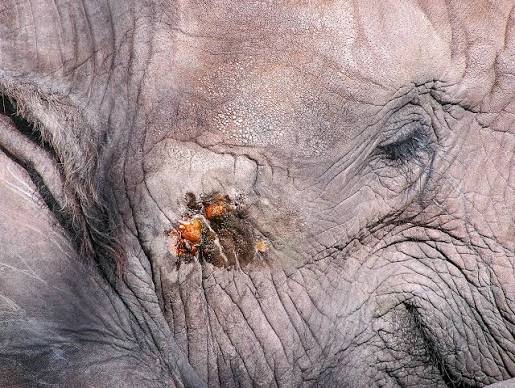
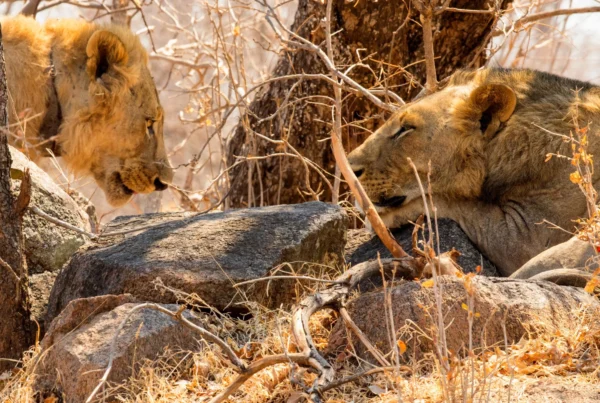
The Okavango Delta in Botswana and mountain gorilla trekking in Uganda’s Bwindi Impenetrable Forest are two of Africa’s most celebrated wildlife experiences. But they belong to completely different categories of encounter. The Okavango is an open water wilderness experience where mokoro canoes glide through papyrus channels, elephant herds wade through shallow floodplains. And lion prides hunt in the islands of the permanent swamp. It is a water-based safari unlike anything else in Africa. Uganda gorilla trekking is a forest intimacy experience where a short walk through dense equatorial vegetation ends in a face-to-face encounter with the world’s largest primate in natural habitat. Comparing them is less useful than understanding what each uniquely offers and which better matches what a specific traveler is actually seeking.
The Okavango Delta Experience
Botswana’s Okavango Delta is one of the world’s great inland water systems. It is fed by rainfall in Angola’s highlands that flows south through the Kalahari to create a permanent oasis of water in the middle of a desert landscape. The delta’s annual flood cycle determines which areas are navigable by mokoro and motorboat and which are accessible on foot or by safari vehicle. This creates a dynamic and seasonally variable safari environment unlike the fixed-terrain parks of East Africa.
Wildlife in a Water Environment
The Okavango’s wildlife inhabits a landscape structured by water in ways that shape behaviour, distribution, and encounter conditions fundamentally. Elephants wade through chest-deep channels. Lions swim between islands to hunt. Sitatunga antelope — adapted specifically to swamp life with elongated splayed hooves that prevent sinking in soft ground — appear at the channel edges. Red lechwe spring through shallow floodwater in herds that can number hundreds. Hippos occupy the permanent water channels in large numbers. They appear at distances that no other safari environment replicates. Sitting in a mokoro canoe with hippos surfacing nearby is an experience of particular intimacy and mild anxiety specific to the delta environment.
The Okavango’s big cat presence is excellent. Lion prides have adapted their hunting behaviour to the water environment. Leopards use the riverine vegetation along channel banks as ambush territory. African wild dogs, increasingly rare across Africa, find the delta’s water barriers useful for confining prey. They appear with above-average frequency in Botswana relative to most other safari destinations. The overall wildlife density in the Okavango is lower than in East Africa’s premier open savannah parks. But the unique character of encounters in a water setting. The silence of a mokoro glide, the visual drama of elephants crossing a floodplain, the intimacy of the tent camp at the channel edge. Creates a quality of experience that compensates for the lower wildlife volume with higher encounter intensity.
The Luxury Safari Model
Botswana has deliberately positioned itself as a low-volume, high-value safari destination. It limits visitor numbers through high park fees and a licensing system that restricts the number of safari camps in the delta. The result is that Okavango safari camps. Particularly in the permanent swamp areas of the inner delta. Are among the most exclusive and most expensive in Africa. Daily rates at premier delta camps exceed $1,500 per person in peak season. The expectation of a near-exclusive wilderness environment at this price level is broadly met. For travelers seeking the most luxurious and least crowded safari experience available in Africa, the Okavango private camp model is among the very best the continent offers.
The Okavango is also unique in that the most compelling areas of the delta are only accessible by light aircraft or mokoro. No roads penetrate the permanent swamp. The absence of vehicles from the inner delta experience is a defining quality. It makes the silence, the pace, and the intimacy of the encounter different in character from any vehicle-based safari. The transition from a light aircraft landing on a grass strip to a mokoro departure within minutes of arrival is one of the most distinctive safari arrivals available anywhere in Africa.
The Uganda Gorilla Trekking Experience
Uganda gorilla trekking in Bwindi Impenetrable Forest is a fundamentally different kind of wildlife encounter from anything the Okavango Delta delivers. The comparison between them illustrates how wide the range of “great Africa experiences” actually is.
The Encounter Itself
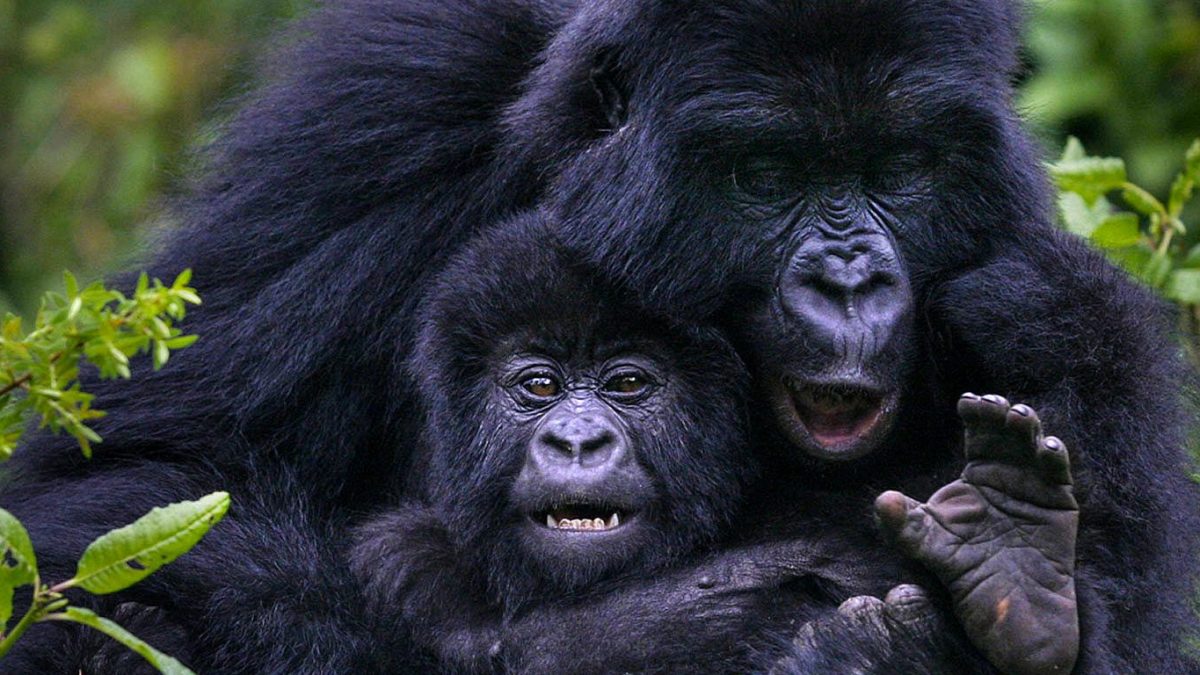
Mountain gorilla trekking begins with a forest walk that can range from one hour to a full day. The duration depends on where the habituated family group has moved since the previous day’s monitoring. The approach through dense Afro-montane forest. Navigating tangled roots, steep slopes, and varying vegetation. Is physically demanding and botanically remarkable. When the guide signals that the gorilla family is located, the final approach requires moving slowly and quietly to within a few metres. The animals can weigh over 200 kilograms. They regard the tracker group with varying degrees of curiosity, indifference, and occasional mild display behaviour from the silverback.
The one-hour permit allows time to observe the full range of gorilla social behaviour. Infants play in the vegetation. Juveniles test the limits of the silverback’s patience. Adult females groom each other. The silverback himself moves through the family group with the authority and physical presence that makes his role immediately visible. The encounter is intimate in a way that no vehicle-based wildlife encounter can be. You are separated from the gorillas only by the social convention of the habituation process, with no fence, no glass, and no vehicle between you. The emotional impact of this proximity to one of humanity’s closest relatives is profound. Travelers consistently describe it as one of the most powerful experiences of their lives.
Cost and Access
Uganda gorilla trekking is significantly more affordable than a premium Okavango Delta camp experience. The gorilla permit at $700 per person is the largest single cost in a Uganda gorilla itinerary. Mid-range lodge accommodation near Bwindi is available at $200 to $400 per person per night. Substantially less than the Okavango’s premium camp rates. For travelers who want Africa’s most unique and emotionally powerful wildlife experience at a cost that does not require a luxury budget, Uganda gorilla trekking is among the best value major wildlife encounters on the continent. Rwanda’s gorilla permit at $1,500 positions that country’s equivalent experience at a higher price point. But it remains well below a premium Okavango delta safari.
Uganda is also significantly more accessible logistically than the inner Okavango Delta. Entebbe International Airport receives direct flights from multiple African and European cities. The western Uganda gorilla circuit reaches you by domestic flight or overland transfer in a few hours. The Okavango’s inner delta camps require internal or charter flight connections via Maun. This adds both cost and travel time that Uganda’s more straightforward access avoids. For travelers working within tight itinerary schedules, Uganda gorilla trekking delivers its defining experience more efficiently than a comparable delta camp experience.
Plan Your Safari
For travelers whose primary interest is the gorilla trekking experience, Uganda is the most cost-effective and logistically straightforward entry point in 2026. African Wild Trekkers designs Uganda gorilla safari itineraries that combine Bwindi gorilla trekking with chimpanzee trekking in Kibale and Queen Elizabeth National Park savannah safari. We offer quality accommodation at mid-range to premium levels and secure gorilla permits as part of every booking.
Every Uganda gorilla package includes experienced guides, comfortable transport between parks, all permits, park fees. And accommodation selected for proximity to the best wildlife areas. Itineraries can extend with Rwanda gorilla trekking, Kenya safari, or Tanzania’s Northern Circuit for multi-country East Africa experiences.
Contact African Wild Trekkers at africanwildtrekkers.com/contact with your travel dates and we will design the right Uganda gorilla itinerary within 24 hours.