East Africa Hidden Gems: Underrated Destinations Most Tourists Skip
East Africa Beyond the Famous Parks: Hidden Gems Worth Discovering
East Africa’s most famous destinations the Serengeti, Masai Mara, Bwindi, and Ngorongoro deserve every bit of their reputation. But they represent only a fraction of what the region offers. For every famous park that attracts thousands of visitors a month, several equally remarkable destinations exist that most travelers never discover. They fall outside the standard itinerary templates that dominate online research and operator catalogs. These hidden gems offer outstanding wildlife, extraordinary landscapes, and an exclusivity that the most popular parks can no longer provide. Often at significantly lower cost.
Underrated Parks in Uganda
Uganda has more to offer than gorillas in Bwindi. Several of its parks remain largely unknown outside specialist circles despite delivering safari experiences that rival anything in the more famous destinations.
Kidepo Valley National Park
Kidepo Valley National Park in Uganda’s remote northeast is one of Africa’s great undiscovered safari destinations. The park sits in a dramatic semi-arid valley surrounded by mountains on the borders of Sudan and Kenya. Its isolation has preserved an ecosystem largely untouched by the pressures that affect more accessible parks. Lion prides in Kidepo behave differently from those in busier parks. Less habituated to vehicles and more likely in genuinely wild conditions that feel like old Africa before mass tourism arrived. Cheetah, ostrich, and Burchell’s zebra. Species absent from western Uganda. Make Kidepo an essential destination for completists who want to see Uganda’s full wildlife range.
The Karamojong people who live around Kidepo are among the most culturally distinct communities in Uganda. Their traditional practices and semi-nomadic pastoral lifestyle provide exceptional cultural tourism opportunities alongside the wildlife. The park is genuinely remote: a full day’s drive from Kampala or a short scheduled flight to Kidepo’s airstrip from Entebbe. This remoteness is its greatest asset. It limits visitor numbers to a fraction of what more accessible parks receive and preserves a sense of wilderness that is increasingly rare in East Africa.
Semuliki National Park
Semuliki National Park in western Uganda protects a section of the great Congo Basin rainforest extending across the border into the Democratic Republic of Congo. The forest here holds species characteristic of Central African rainforests rather than East African savannas. These include forest elephants and pygmy hippos in the Semuliki River. And an extraordinary collection of Congo Basin bird species rarely seen elsewhere in Uganda or East Africa. The park’s hot springs — the only geothermal springs in Central Africa’s rainforest zone — are a genuinely unusual geological attraction within a wildlife setting.
Semuliki pairs naturally with a visit to Queen Elizabeth National Park to its south. Together they create a western Uganda circuit covering both the Congo forest ecosystem and the savanna and wetland habitats of the more famous park. Very few operators include Semuliki on standard western Uganda itineraries. As a result, the park sees a tiny fraction of the visitors that Queen Elizabeth and Bwindi attract. Travelers who make the effort are rewarded with primate sightings, including red-tailed monkeys and chimpanzees, and forest elephant encounters in dense vegetation. And birding of exceptional quality in one of East Africa’s most botanically rich environments.
Underrated Destinations in Tanzania
Tanzania’s Northern Circuit attracts the great majority of the country’s safari visitors. But the southern and western parks offer wildlife experiences that are in several respects more rewarding than the famous north.
Ruaha National Park
Ruaha National Park is Tanzania’s largest national park and one of the country’s best-kept secrets. The park holds one of Africa’s largest elephant populations, enormous buffalo herds, and prolific leopard numbers. And one of Tanzania’s highest lion densities outside the Serengeti. The landscape is dramatic baobab and miombo woodland studded with rocky outcrops and cut by the seasonal Great Ruaha River. It creates a distinctive visual character unlike anywhere else in East Africa. This is Africa in a raw, unhurried form—game drives routinely cover enormous distances without encountering another vehicle.
Ruaha’s relative obscurity is almost entirely a function of access. The park requires a flight to Msembe airstrip or a very long overland drive from Dar es Salaam. This places it beyond the easy addition to a standard Northern Circuit itinerary. For travellers willing to make the flight. Or to build an itinerary specifically around southern Tanzania. Ruaha delivers a wildlife experience that many experienced safari travelers rate above the Serengeti in atmosphere and exclusivity. The park pairs naturally with Selous Game Reserve (Nyerere National Park) for a southern Tanzania circuit exploring an entirely different ecological zone from the country’s north.
Mahale Mountains National Park
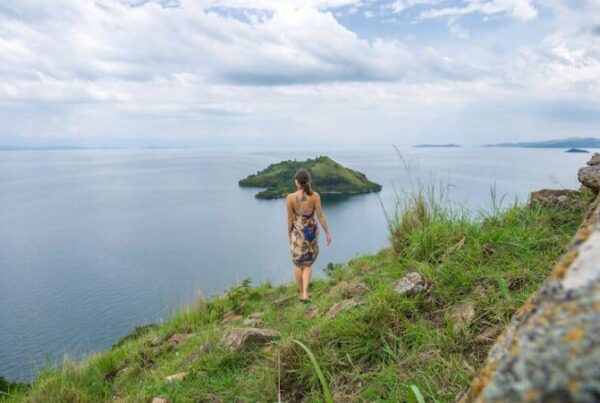
Mahale Mountains National Park on the remote eastern shore of Lake Tanganyika is among East Africa’s most extraordinary hidden destinations. The park holds one of the largest habituated chimpanzee communities in Africa. The M Group has been studied continuously since the 1960s. The setting is stunning: forested mountains descending directly to the clearest, deepest lake on the African continent. There are no roads inside Mahale. Visitors travel between camps by boat along the lake shore and trek on foot into the forest to find the chimpanzees.
Swimming in Lake Tanganyika after a morning chimpanzee trek, with the forest rising directly from the lake’s edge and the mountains glowing in afternoon light, is an experience that cannot be replicated anywhere else in East Africa. Mahale receives only a few hundred visitors per year, making it one of the most exclusive wildlife destinations on the continent. The combination of chimpanzee trekking quality and lake setting places Mahale firmly in the conversation for the most remarkable single destination in East Africa. Yet it remains unknown to the vast majority of safari travelers who never look beyond the Northern Circuit.
Underrated Kenya and Rwanda Destinations
Beyond the Masai Mara and Volcanoes National Park, Kenya and Rwanda both hold underrated destinations that reward travelers willing to venture off the standard tourist trails.
Samburu National Reserve, Kenya
Samburu National Reserve in northern Kenya is one of the continent’s finest wildlife destinations. Yet it receives a fraction of the visitors that flood into the Masai Mara each year. The reserve sits in an arid savannah landscape that looks and feels entirely different from the lush grasslands of southern Kenya. It holds a collection of endemic northern species found nowhere else in Kenya or East Africa. The Samburu Special Five—Grevy’s zebra, reticulated giraffe, Beisa oryx, and Somali ostrich. And gerenuk—can all be seen on a single game drive in this reserve. The Ewaso Ng’iro River running through the reserve attracts enormous wildlife concentrations, including large crocodiles and plentiful elephants that come down to drink in the heat of the day.
Samburu works well as a northern extension to a Masai Mara itinerary or as a standalone destination for travelers coming specifically for the endemic northern species. The reserve’s lodges are excellent, and the guiding quality is high. Naturalists here specialize in the specific behaviors and ecology of the reserve’s unusual resident wildlife. Combining Samburu with Ol Pejeta Conservancy. Home to Kenya’s black and white rhino populations and a chimpanzee sanctuary. Creates a northern Kenya circuit of exceptional depth and diversity that most visitors to Kenya never discover.
Akagera National Park, Rwanda
Akagera National Park in eastern Rwanda is the country’s only savannah park and one of Africa’s most remarkable conservation success stories. The park suffered heavy poaching and partial degazettement in the 1990s. A partnership with African Parks since 2010 has transformed it into a thriving ecosystem. It now holds a lion, leopard, elephant, hippo, buffalo, and, since 2017, a black rhino. Reintroduced from South Africa in a groundbreaking translocation project. The park’s network of lakes and papyrus swamps supports extraordinary birdlife, including shoebill storks, sitatunga antelope, and large numbers of waterbirds.
Akagera is a natural addition to a Rwanda gorilla trekking itinerary. It provides an open savannah wildlife experience in the same country without the need to fly to Kenya or Tanzania for a plains safari. The park is a two-hour drive from Kigali and can be visited as a two-night extension after gorilla trekking in Volcanoes National Park. Very few visitors to Rwanda include Akagera in their itinerary. The park therefore offers a quality of wildlife encounter and sense of exclusivity that is genuinely rare in a country that has become one of East Africa’s most visited tourism destinations.
Plan Your Safari
Hidden gem destinations often require more advance planning than famous parks. They have fewer accommodation options, limited flight connections, and smaller logistical infrastructure. Mahale Mountains requires boat transfers. Kidepo requires a charter or scheduled flight from Entebbe. Ruaha requires a flight to Msembe. These logistics are manageable with an operator who knows the parks well and can book everything in the correct sequence.
African Wild Trekkers includes lesser-known destinations across Uganda, Rwanda, Kenya, and Tanzania alongside the famous parks in custom itineraries. These are designed for travelers who want to go beyond the standard circuit. Every hidden gem destination can be combined with the major highlights to create itineraries that balance iconic wildlife experiences with genuinely exclusive encounters.
Contact African Wild Trekkers at africanwildtrekkers.com/contact with your interests and travel dates, and we will design an East Africa itinerary that goes beyond the obvious within 24 hours.