East Africa Rainy Season Safari: Should You Go in the Green Season?
East Africa’s Green Season: What the Rainy Months Actually Deliver
The rainy season is the least marketed period for East African safaris. And that is precisely what makes it worth considering for the right traveler. The green season—broadly March through May for the long rains and October through November for the short rains across Kenya and Tanzania, with Uganda’s rains following a slightly different pattern—transforms East Africa’s landscapes. It reduces visitor numbers dramatically and brings wildlife behaviors and visual qualities that the dry season simply cannot offer. The question is not whether the green season is better or worse than the dry season. It is whether the green season is right for you specifically.
What Changes in the Green Season
Understanding what specifically changes during East Africa’s rainy months allows you to assess honestly whether the trade-offs match your priorities and expectations.
Landscape and Atmosphere
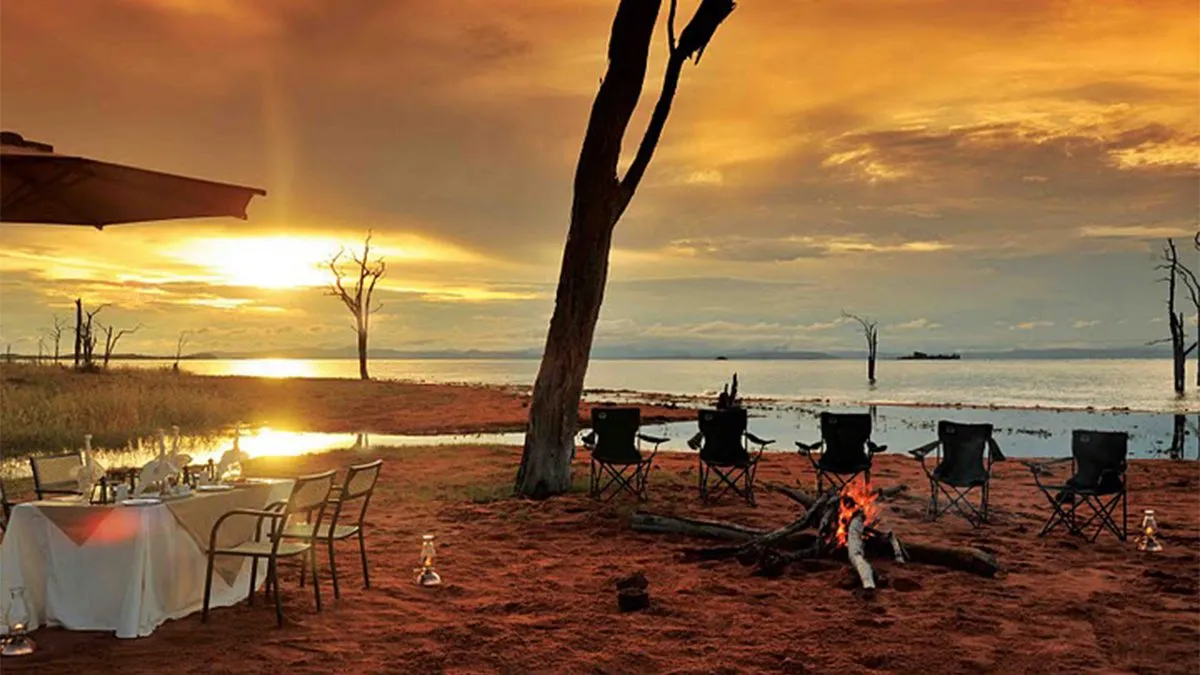
East Africa’s savannah transforms visually during the rains. Dust-brown landscapes that define the dry season give way to vivid green vegetation that turns the parks lush and verdant. Wildflowers emerge across the Serengeti and Masai Mara plains after the first significant rains. Waterholes fill and rivers run clear. The atmosphere is moody, dramatic, and photogenic in a way that experienced safari photographers frequently prefer to the golden-light dry season aesthetic. Dramatic cloud formations build every afternoon, creating skies that provide extraordinary visual context for wildlife images.
The rain itself is typically not what casual travelers fear. In most of East Africa’s safari destinations, rainy season rain falls as heavy afternoon or evening showers rather than sustained all-day downpours. Morning game drives — which are the most productive in any season — are often clear and cool. Wildlife is active, and the light is soft and beautiful before the heat builds. Rain typically arrives in the afternoon when many lodges take a rest break, in any case. Full-day rain that cancels game drives entirely is unusual in most East African safari areas during the rainy season. It can occur during the heaviest weeks of the long rains in April and May.
Wildlife Behaviour and Viewing
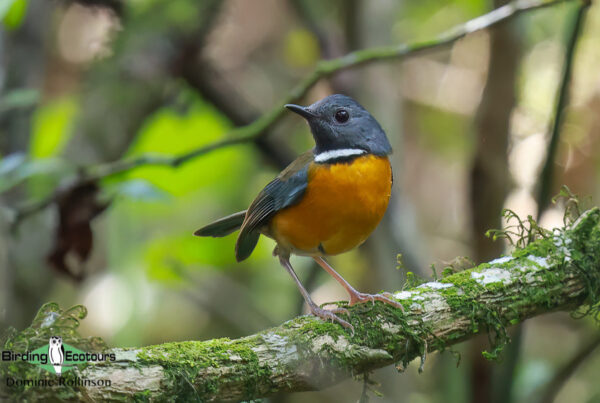
Wildlife viewing in the green season is genuinely different from dry season, not uniformly worse. The arrival of rains disperses wildlife from the concentrated waterhole locations that make dry season game viewing so productive. Animals spread across the landscape to follow new grass growth. This makes locating specific animals more challenging, particularly large herds that have split into smaller groups now that water is available everywhere. However, the dispersal also produces wildlife behavior that the dry season rarely delivers. Predators work harder and therefore hunt more actively during observation. Young animals are born in the calving season that follows the rains. Migratory bird species arrive in breeding plumage.
The Serengeti’s calving season between January and March is one of East Africa’s most spectacular wildlife events and coincides with the short period after the short rains. Over 500,000 wildebeest calves are born within a few weeks in the southern Serengeti. The resulting predator activity—with lions, cheetahs, leopards, and hyenas. And wild dogs all targeting the vulnerable newborns is some of the most dramatic wildlife footage captured anywhere on earth. This period falls between the peak dry seasons and represents one of green season safaris’ strongest specific arguments for travel timing.
Prices and Visitor Numbers
Lodge and camp rates during the rainy season are typically 20 to 40 percent lower than peak season prices at comparable properties. Some premium camps close entirely during the long rains in April and May. Those that remain open offer exceptional value at price points that bring otherwise unaffordable properties within reach. The reduction in visitor numbers is equally significant. Parks that feel crowded with vehicles during July and August in the Masai Mara or October in the Serengeti see a fraction of those numbers during the green season. Game drives that encounter only a few other vehicles at major sightings deliver a sense of exclusivity that peak-season travelers pay enormous premiums to achieve in private conservancies.
The combination of lower accommodation rates and reduced visitor numbers makes the green season the most cost-effective and least crowded period to experience East Africa’s flagship parks. For budget-conscious travelers who are flexible on timing, the green season represents genuine value without a proportional reduction in wildlife experience. For travelers who prioritize exclusivity and solitude over peak season spectacles like the river crossings, the green season parks deliver an atmosphere of genuine wilderness that can be harder to find in the busiest months.
Who Should Consider the Green Season
Not every traveler is right for a green season safari. And honesty about this is more useful than blanket enthusiasm for shoulder-period travel. First-time safari visitors who have a fixed idea of what an East Africa safari should look like. Open plains, vast herds, guaranteed big cat sightings, no rain. May find the green season frustrating if reality does not match their expectations. Anyone who has a specific seasonal spectacle as their primary motivation. The Mara River crossings in July through October, or the concentration game viewing of the dry season. Should plan around that spectacle rather than the cheaper pricing of the green season.
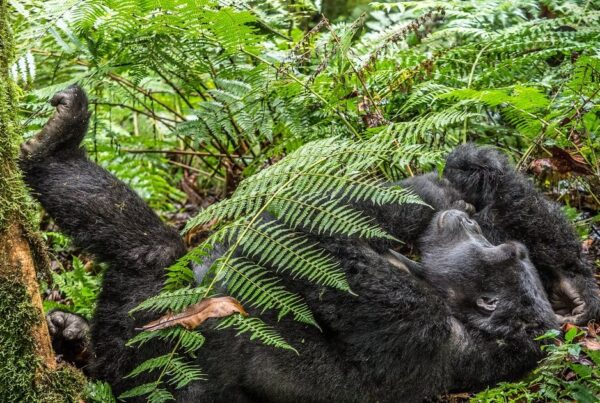
The green season works best for experienced safari travelers returning for a second or third East Africa trip who want a different atmospheric experience. It also suits photographers who want specific light and landscape qualities andand birders targeting migratory species in breeding plumage. And flexible travelerswho prioritize lower costs and fewer crowds over guaranteed specificandings. Gorilla trekking in Uganda and Rwanda is unaffected by season in terms of encounter quality. This makes the gorilla-focused component of any itinerary equally compelling year-round regardless of whether thtravelers whoks are in dry or rainy season conditions.
Plan Your Safari
Green season safari itineraries require the same advance permit bookings and lodge reservations as peak season travel, even though overall visitor numbers are lower. The best-value open lodges during the rainy season book up among the travelers who specifically seek this period. Gorilla permits sell across all months regardless of season. Early booking secures the preferred dates and properties.
African Wild Trekkers builds green season safari itineraries tailored to what the rainy months actually offer: lush landscapes, lower prices, and reduced crowds. And the specific wildlife and photographic opportunities that make this period genuinely rewarding for the right traveler. Every package includes accommodation, game drives, guides, permits, and full logistics handling.
Contact African Wild Trekkers at africanwildtrekkers.com/contact with your travel dates, and we will advise on the best green season itinerary for your priorities within 24 hours.