Kilimanjaro Climb Cost 2026: Full Breakdown From Permits to Tips
How Much Does Kilimanjaro Cost in 2026? A Complete Budget Guide
Kilimanjaro is Africa’s highest peak and one of the world’s most accessible high-altitude climbs. The total cost surprises many first-time researchers who focus only on the headline operator package price. The 2026 cost includes park fees, operator costs, tipping, gear, international flights, and pre- and post-climb accommodation. These categories add up to a significantly larger total than any single line item suggests. Understanding each component helps you budget accurately and compare operator quotes meaningfully. And avoid the unpleasant surprise of arriving financially underprepared for the full commitment the climb requires.
Tanzania National Parks Fees
TANAPA (Tanzania National Parks) controls all fees for Kilimanjaro National Park. These fees are substantial and non-negotiable. Every operator includes them in their package price. But understanding what you pay for helps you verify that any quote is complete rather than artificially discounted by excluding fees.
Park Entry and Conservation Fees
The Kilimanjaro park fee structure in 2026 includes a daily conservation fee of $70 per person per day, a daily rescue fee of $20 per person per day, a camping fee that varies by camp zone, and a gate entry fee. On a seven-day Lemosho Route climb, the park fees alone reach approximately $900 to $1,000 per person. On a six-day Machame Route, the total is slightly lower. TANAPA fixes these fees, so they are identical regardless of which operator you use. They represent a baseline cost that no legitimate operator can undercut.
Ranger and rescue fees fund the mountain rescue team and ranger presence that makes Kilimanjaro one of the safer high-altitude climbs in the world despite its significant altitude. The rescue fee specifically covers the stretcher evacuation service that responds to altitude illness emergencies on the mountain. This service has saved many lives. Every climber on the mountain contributes to it regardless of their personal altitude experience. Confirm these fees with your operator as part of quote verification, as TANAPA increases them periodically.
Porter and Guide Ratios
TANAPA regulations specify minimum guide and porter ratios for Kilimanjaro climbs. These labor costs form a significant portion of the operator’s total price. A single climber requires a minimum of one guide, one assistant guide, and one cook. And enough porters to carry the combined gear load. This typically means five to six porters per person on a full camping kit climb. Operators must pay and feed these staff members and provide appropriate equipment. The associated costs flow through to the client’s price. Operators who quote significantly below market rates are almost invariably cutting staff numbers, wages, or equipment standards.
The Kilimanjaro Porters Assistance Project (KPAP) has established porter welfare standards covering minimum wages, weight limits, clothing, and sleeping conditions that ethical operators follow. Choosing an operator with KPAP partner verification ensures the project treats and compensates the staff supporting your climb fairly. This moral consideration should weigh alongside the financial one when comparing quotes. Operators undercutting the market by exploiting porter labor are not a bargain. They externalize a cost onto the most vulnerable participants in the climb ecosystem.
Operator Package Costs
The operator package price covers everything from the moment you arrive at the gate to the moment you return: guiding, cooking, camping equipment, food and water, and all staff wages and logistics. Understanding the range of what this costs and why variation occurs helps you identify value versus false economy.
What a Complete Package Includes
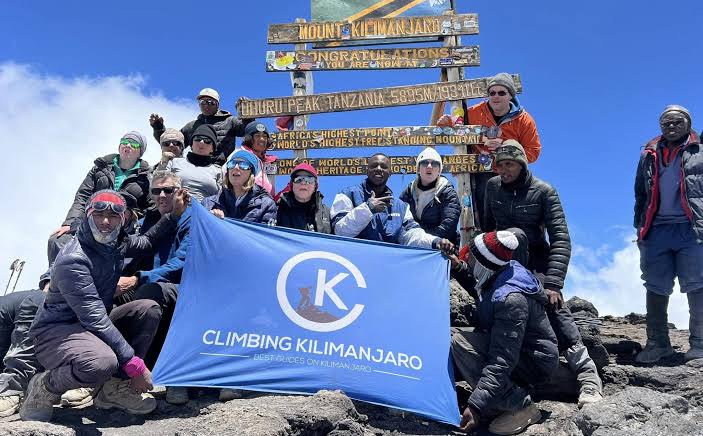
A complete Kilimanjaro operator package in 2026 includes all TANAPA park fees, airport transfers to and from Kilimanjaro International Airport or Moshi, one to two nights of hotel accommodation before and after the climb, and all camping equipment including tents and sleeping mats. And a dining tent, three meals per day on the mountain, snacks and hot drinks, the full guide and porter team, and a summit certificate upon successful ascent. And transport to and from the park gate. Packages that do not explicitly include park fees or pre/post-climb accommodation are incomplete. Treat them as such when comparing prices.
Operator package prices in 2026 range from approximately $1,800 to $2,500 per person for budget operators on six-day routes and $2,500 to $3,500 for mid-range operators on seven-day routes. And $3,500 to over $5,000 for premium operators. The price difference between budget and premium reflects genuine differences in experience quality: better food, more attentive guiding, and higher porter welfare standards. And emergency equipment that makes a meaningful difference if something goes wrong at altitude.
Tipping
Tipping is a significant and expected additional cost that many travelers overlook when researching package prices. The guide, assistant guides, cook, and porters all expect and rely on tips as a meaningful portion of their income. The KPAP recommended tipping structure in 2026 suggests approximately $20 to $30 per day for the lead guide and $15 to $20 per day for assistant guides and the cook. And $8 to $12 per day per porter. On a seven-day climb with a team of eight staff, the total recommended tip budget reaches $500 to $700 per climber.
Prepare tips in US dollars in small denominations before arriving in Tanzania. Changing money on the mountain or distributing digital tips is impractical. Many operators provide tip envelopes and a suggested breakdown to make distribution easier on the final morning at the gate. The guide community notices and remembers when tips fall below recommended amounts. The Kilimanjaro guide community is small and close-knit. A reputation for generous tipping often brings better care and attention on the mountain.
Gear, Flights, and Other Costs
The full cost of climbing Kilimanjaro extends beyond the operator package and tips to include gear, international travel, and insurance. And incidental costs that add meaningfully to the total budget.
Gear Costs
Kilimanjaro requires specific cold-weather and altitude gear. A complete kit for a first-time climber who needs to purchase rather than rent includes an insulated down jacket, waterproof jacket and trousers, warm mid-layer fleece, thermal base layers, properly broken-in trekking boots, gaiters, a warm hat, a balaclava, a sun hat, trekking poles, a sleeping bag rated to at least minus 10 degrees Celsius, and a daypack. Purchasing all of this new from outdoor retailers costs between $800 and $1,500 depending on brand choices. Many items are available to rent from operators in Moshi or Arusha at a fraction of the purchase cost. This suits climbers who will not reuse specialist gear.
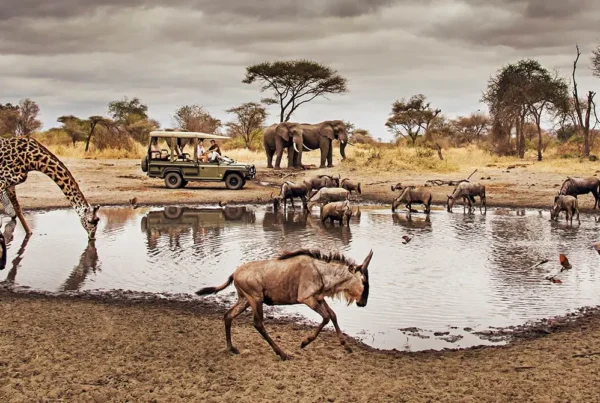
International flights to Kilimanjaro International Airport or Nairobi from North America or Europe range from $900 to $1,500 return depending on routing, booking timing, and season. Travel insurance that covers high-altitude trekking and medical evacuation is essential and costs approximately $100 to $250. Pre- and post-climb accommodation in Moshi or Arusha adds one to two nights at $80 to $200 per night. Adding a Tanzania safari before or after the climb is popular and cost-effective since the operator and airport logistics are already in place.
Plan Your Safari
Kilimanjaro bookings for peak season dates. July through October and December through February. Should go in at least four to six months in advance. This secures your preferred route, summit date, and operator availability. Combining the climb with a Tanzania safari before or after is a natural extension that African Wild Trekkers handles as a single integrated itinerary covering the mountain approach, the climb itself, and the safari parks.
African Wild Trekkers provides fully transparent Kilimanjaro pricing with no hidden costs. Every quote includes all TANAPA park fees, the complete guide and porter team, pre- and post-climb accommodation, airport transfers, and equipment. Safari add-ons covering the Serengeti, Ngorongoro Crater, and Zanzibar are available as extensions to any Kilimanjaro package.
Contact African Wild Trekkers at africanwildtrekkers.com/contact with your preferred climb dates and route, and we will provide a complete 2026 cost breakdown within 24 hours.