East Africa vs West Africa: What’s the Safari Difference?
East Africa and West Africa: Two Very Different Safari Experiences
Many travellers who want to see Africa’s wildlife default to East Africa without considering what West Africa offers. Equally, many who dream of West Africa’s rainforest primates overlook what the east provides. These two regions of sub-Saharan Africa deliver fundamentally different safari experiences. They are shaped by different ecosystems, different infrastructure levels, and very different wildlife assemblages. Understanding what separates them helps travelers choose the region that best matches what they genuinely want to experience rather than simply following the most heavily marketed route.
Ecosystems and Landscapes
The most immediately obvious difference between East and West Africa as safari destinations is the landscape. East Africa’s defining habitats are open savannahs, semi-arid grasslands, and the great Rift Valley. These ecosystems support the large migratory herds and open-country predators that define most people’s idea of an African safari. West Africa is dominated by tropical rainforest, gallery forest, and savannah woodland habitats that support a completely different range of species.
East Africa’s Open Savannahs
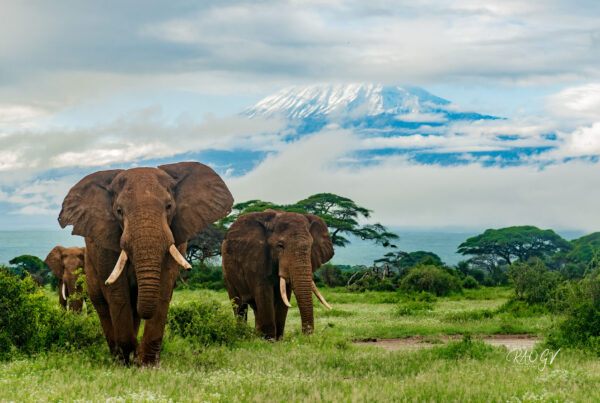
East Africa’s savannah ecosystems are where the continent’s most famous wildlife spectacles play out. The Serengeti, Masai Mara, Amboseli, Tsavo, and the parks of Uganda and Rwanda together support the wildebeest migration. They also hold the world’s largest elephant populations outside southern Africa, enormous lion prides, cheetahs, leopards, and all of Africa’s iconic plains species. The open terrain makes wildlife easy to spot from a vehicle. The concentration of animals around permanent water sources during the dry season creates some of the most extraordinary wildlife encounters found anywhere on earth.
East Africa also holds mountain gorillas and chimpanzees in Uganda, Rwanda, and Tanzania’s Mahale Mountains. These are forest experiences that are exceptional within the region. But the dominant safari image of East Africa is open plains, big skies, and large mammals in vast numbers. This is the experience that most travellers arriving in East Africa are seeking. And the region delivers it with extraordinary consistency across its national parks and reserves.
West Africa’s Forest Habitats
West Africa’s wildlife lives predominantly in forest environments. Countries including Gabon, Cameroon, Republic of Congo, Côte d’Ivoire, and Ghana host remarkable biodiversity in dense tropical rainforest ecosystems. Forest elephants—a genetically distinct and smaller species from East Africa’s savannah elephants—move through the forest understory. Western lowland gorillas, chimpanzees, and several species of monkey inhabit forest habitats that extend from the Gulf of Guinea coast inland across the Congo Basin. Bongos, forest buffalo, and forest duikers replace the open-plains zebras and wildebeest of the east.
West Africa’s forest habitats are also extraordinary for birdlife. The Upper Guinea forests of West Africa hold several hundred endemic bird species found nowhere else on earth. Serious birders rate the region among the world’s top birding destinations. The Congo Basin’s vast rainforest extends through Central African countries bordering West Africa. It holds some of the least-disturbed ecosystems remaining on the planet and supports biodiversity levels that continue to yield new species to science. The visual experience is dense, intimate, and very different from the open panoramas of East Africa.
Wildlife: What Each Region Offers
The wildlife differences between East and West Africa are substantial enough that the two regions attract different types of safari travelers. Species assemblages, encounter conditions, and the nature of game viewing differ significantly between the two regions.
Species You See in East Africa
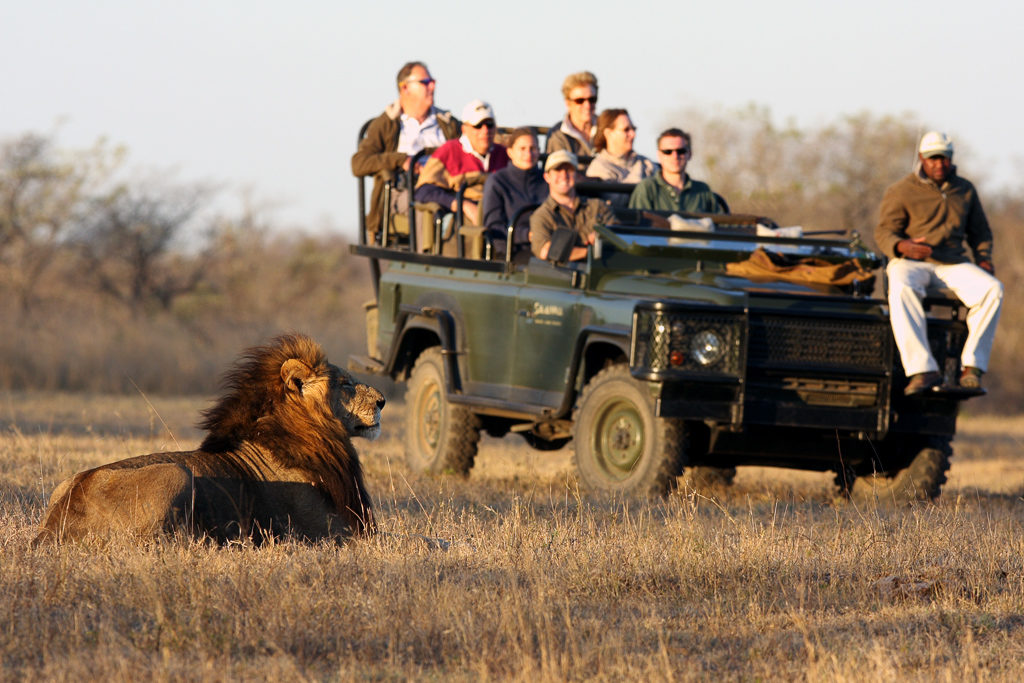
East Africa is the destination for the classic Big Five experience — lion, leopard, elephant, buffalo, and rhino. It is also the destination for uniquely East African species that make the region distinct: cheetahs, wild dogs, giraffes, zebras, and wildebeest. And the enormous variety of antelope that the savannah ecosystem supports. The Big Five concept developed in the context of East and Southern Africa’s hunting tradition. All five species are present in varying degrees of accessibility across East Africa’s parks. The density of wildlife in the best East African parks is among the highest in the world.
The wildebeest migration is East Africa’s signature spectacle and has no equivalent anywhere else on earth. Over 1.5 million wildebeest move continuously between Tanzania’s Serengeti and Kenya’s Masai Mara following seasonal grass growth. The Mara River crossings between July and October produce some of the most dramatic wildlife photography sequences found anywhere. Mountain gorillas and chimpanzees provide primate experiences of an intimacy and emotional power that West Africa’s species also offer but in different species and different settings.
Species You See in West Africa
West Africa’s wildlife highlights are distinct from East Africa’s and appeal strongly to travelers who want experiences off the conventional safari circuit. Western lowland gorillas in Gabon’s Lopé National Park or the Republic of Congo’s Odzala-Kokoua National Park are genetically different from the mountain gorillas of East Africa. They live in lowland rainforest rather than mountain habitat. Chimpanzees in West Africa’s forests are present in large numbers. And in some areas they are highly habituated to human presence. Forest elephants are best seen at mineral licks such as Dzanga Bai in the Central African Republic. They display behaviors and social structures quite different from savanna elephants.
West Africa’s open savannah parks. Including Pendjari in Benin and Mole in Ghana. Hold lions, elephants, hippos, and various antelope species. But they offer these at lower densities and with less consistent game viewing than East Africa’s premier parks. Travelers who go to West Africa primarily for the open savannah Big Five experience often find it less reliable than East Africa. The region’s strongest wildlife experiences are firmly rooted in forest habitats. This shifts the entire character of the safari toward forest trekking and boat travel along waterways. And encounter conditions that are immersive but less visually immediate than open plains driving.
Plan Your Safari
Choosing between East and West Africa as a safari destination comes down to the wildlife experiences you most want and the type of environment you want to travel through. Most first-time African safari visitors choose East Africa for its combination of iconic landscapes, consistent big wildlife viewing, and well-developed safari infrastructure. Experienced Africa travelers returning for a second or third trip increasingly look to West Africa for its distinctive forest experiences and species not encountered in the east.
African Wild Trekkers operates throughout East Africa, covering Uganda, Rwanda, Kenya, and Tanzania with full-service safari packages that range from gorilla trekking expeditions in Bwindi to wildebeest migration tours in the Serengeti. Every itinerary includes experienced guides, quality accommodation, and complete logistics handling so your East Africa safari runs smoothly from arrival to departure.
Contact African Wild Trekkers at africanwildtrekkers.com/contact with your East Africa travel dates and wildlife priorities, and we will design your ideal itinerary within 24 hours.