Elephant Watching Amboseli: Why No Other African Park Comes Close
Elephant Watching in Amboseli
Elephant watching in Amboseli National Park delivers a wildlife experience unmatched elsewhere in Africa, combining elephants with spectacular mountain scenery.Known elephant families move freely across open floodplains beneath Mount Kilimanjaro on the southern horizon.The Amboseli Elephant Research Project has studied these elephants continuously since 1972, creating unparalleled behavioral knowledge and understanding.
Researchers know individual elephants by name, history, family relationships, and distinctive behavioral traits developed over decades.More than 1,600 elephants live throughout the Amboseli ecosystem, creating exceptional opportunities for observation during every season.Open terrain and permanent swamps make elephant behavior easier to observe, understand, and photograph throughout the year.African Wild Trekkers schedules visits during prime hours when elephants gather around productive swamp edges.
Why Amboseli Produces Exceptional Encounters
Amboseli’s open landscapes allow visitors to observe entire elephant families without vegetation obstructing important social interactions.Most East African parks contain dense vegetation that limits visibility and prevents prolonged observation of family groups.Underground springs from Kilimanjaro provide permanent water supplies throughout the year, even during severe drought periods.These reliable water sources attract elephants and concentrate wildlife when surrounding rangelands lose available surface water.
Elephants gather around Enkong Narok and Enkiama swamps to feed on nutrient-rich aquatic vegetation daily.Predictable movement patterns allow guides to position vehicles effectively without disrupting natural elephant behavior.Visitors often watch large family groups crossing wetlands with Kilimanjaro creating a dramatic photographic backdrop.This combination creates one of Africa’s most recognizable wildlife scenes and memorable safari experiences.
Elephant Social Behavior
Open swamp habitats reveal social interactions that dense forests and bush environments often conceal from observers.Visitors frequently witness greeting ceremonies involving vocalizations, trunk touching, and coordinated movement between familiar matriarchs.Researchers interpret these behaviors as communication involving identity, relationships, emotional states, and social hierarchy.
Adult bulls visit swamps independently to drink, bathe, and interact with other elephants throughout the day.Older bulls maintain dominance through experience and recognition rather than frequent aggressive physical confrontations.Extended observation reveals elephant intelligence and social complexity beyond what short wildlife encounters typically provide.
Individually Known Elephants
The Amboseli Trust for Elephants maintains detailed records for every identified elephant within the ecosystem.Researchers document family membership, reproductive history, age estimates, and distinctive behavioral traits for each individual.Guides identify specific elephants and explain their family relationships, personalities, and significant life experiences.
This knowledge transforms wildlife viewing into encounters with recognizable individuals rather than anonymous wild animals.Visitors gain deeper appreciation when guides explain personal histories and social roles within elephant families.
Research and Conservation
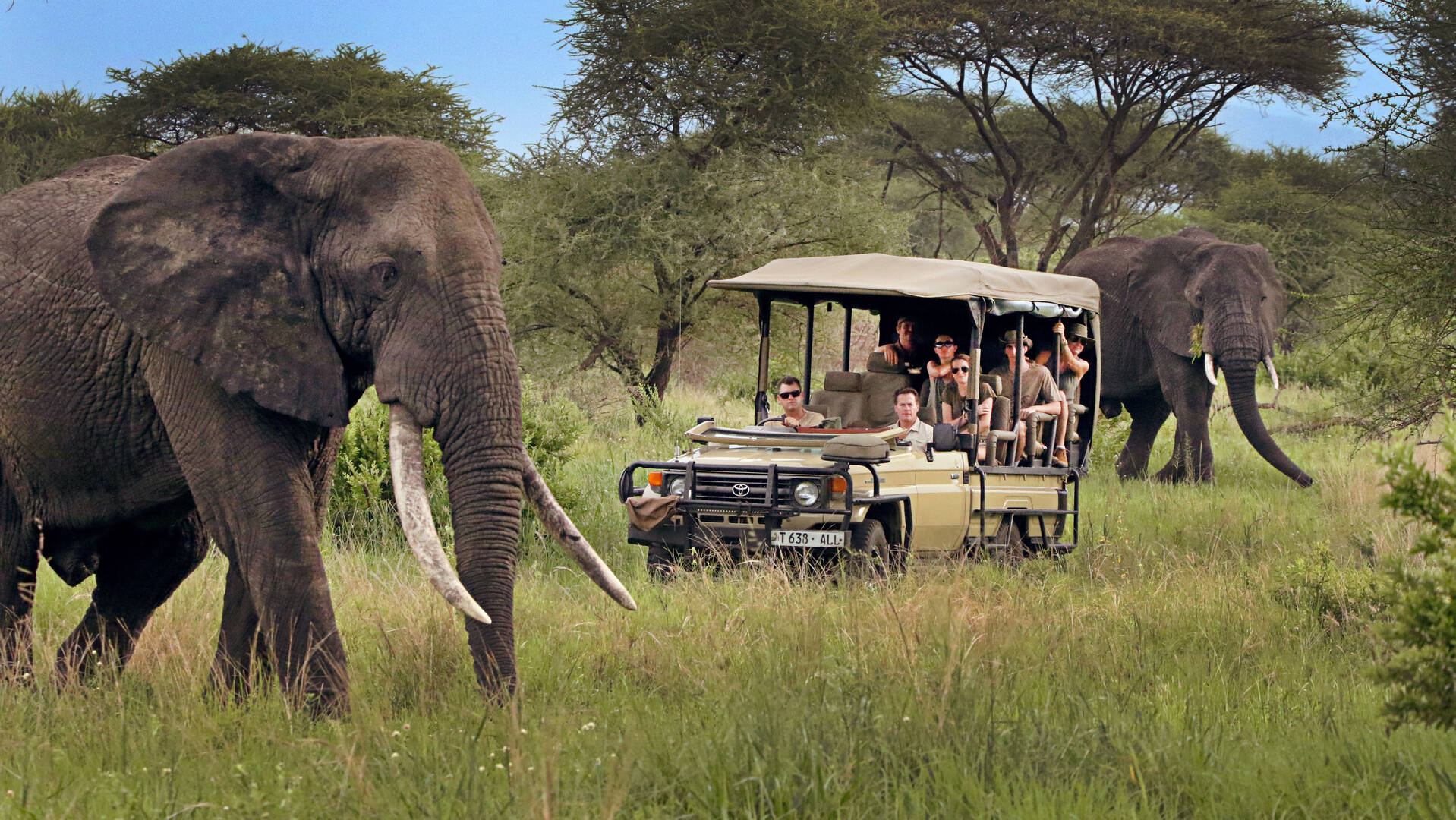
Researchers share daily updates about elephant locations, movements, health conditions, and behavioral patterns with safari guides.This information helps guides approach elephants safely while minimizing stress on family groups and individuals.Guides increase viewing distances when elephants travel with newborn calves or display sensitive behaviors.Research-supported tourism improves visitor experiences while supporting long-term conservation and animal welfare objectives.
Enkong Narok and Northern Swamp
Enkong Narok attracts large elephant concentrations during dry seasons when surrounding landscapes lose surface water sources.Game drives between June and October often encounter several elephant families gathering around swamp edges simultaneously.The northern swamp offers iconic views with Kilimanjaro rising behind wetlands and elephant feeding areas.
Early morning drives reveal matriarchs leading family groups toward water through golden grassland landscapes.The area also supports hippos, buffalo, storks, fish eagles, lions, and occasionally hunting cheetahs.These species create diverse wildlife viewing opportunities beyond the park’s famous elephant encounters.
Observation Hill
Observation Hill provides the park’s only elevated viewpoint overlooking swamps, grasslands, and surrounding habitats.Visitors enjoy panoramic views unavailable from ground-level game drive routes across the protected area.Guides use the hill to assess wildlife movements before planning afternoon game drive strategies.
Late afternoon light creates ideal conditions for landscape photography featuring elephants and Kilimanjaro together.The summit also serves as a comfortable rest stop during the hottest midday hours.A gentle trail reaches the viewpoint and accommodates visitors with varying fitness levels comfortably.
Photography Tips
The best elephant photography occurs during the first ninety minutes after sunrise and before sunset.Low-angle sunlight creates texture, depth, and warm colors that significantly improve image quality.Kilimanjaro appears most clearly during early mornings before clouds and atmospheric haze develop.Photographers capture dramatic scenes when elephant movements raise dust illuminated by low-angle sunlight.
A 70–200mm lens works well for portraits and family group photography during game drives.A 24–70mm lens captures wider landscapes featuring elephants, wetlands, and Kilimanjaro in one frame.Carrying both lenses provides flexibility as encounters shift between portraits and scenic compositions.Regular lens cleaning helps maintain image quality because dust accumulates quickly during Amboseli game drives.
Plan Your Safari
Amboseli elephant watching requires no permits beyond the standard national park entry fee, but the viewing quality depends entirely on which accommodation you choose and what time your game drives begin. African Wild Trekkers positions clients in lodges directly adjacent to the northern swamp for early gate access and books dawn departures so you reach Enkong Narok during the first light before other vehicles arrive. We also advise on Kilimanjaro visibility forecasting based on current seasonal conditions so your morning drives prioritize the mountain views on the days when the summit is most likely to be clear.
Your Amboseli package includes park entry fees, full-board lodge accommodation, all game drives with an experienced Amboseli guide, and transfers from Nairobi or Wilson Airport. We pair Amboseli with the Maasai Mara, Samburu, or Laikipia to create complete Kenya safari circuits that cover the country’s diverse wildlife ecosystems within a single itinerary.
Contact African Wild Trekkers at africanwildtrekkers.com/contact with your Kenya travel dates and we will send a complete Amboseli itinerary within 24 hours.