Flamingo Facts Africa: Why Their Pink Color Comes From What They Eat
Africa’s Most Spectacular Bird Gathering
A million flamingos on a Rift Valley soda lake create one of Africa’s greatest natural spectacles.
A living pink carpet can stretch across kilometers of water. Thousands of birds feed, call, display, and rise into the sky together.
Africa has two flamingo species: the greater flamingo and the lesser flamingo.
The greater flamingo is Africa’s largest species. It lives across the continent, from Rift Valley lakes to southern coastal wetlands.
Meanwhile, the lesser flamingo creates the world’s largest flamingo gatherings. It gathers in huge numbers on East Africa’s alkaline soda lakes.
These birds survive in extreme environments that most animals cannot tolerate. Understanding their adaptations makes every flamingo sighting more meaningful.
Why Flamingos Are Pink
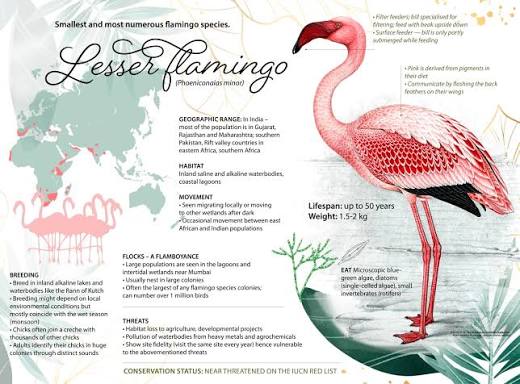
Flamingos are not naturally pink. Instead, their color comes from carotenoid pigments in their food.
These pigments come mainly from algae, crustaceans, and tiny aquatic organisms. Therefore, a bright pink flamingo usually indicates successful feeding.
Birds with poor diets often become paler. As a result, color becomes a natural sign of health and feeding success.
Feeding in Alkaline Lakes
East Africa’s soda lakes include Nakuru, Bogoria, Magadi, and Natron. These lakes have extremely high alkaline levels.
Some areas reach pH levels between 10 and 12. Water temperatures can also become extremely hot.
Despite these harsh conditions, blue-green algae called Arthrospira thrive there.
Lesser flamingos use specialized bills to filter this algae. Their bills work like natural filters as they feed upside down.
Consequently, flamingos access a food source with little competition.
Lake Bogoria produces large amounts of algae each year. This productivity supports huge flamingo populations.
The birds also connect the lake ecosystem with larger food chains. Predators such as fish eagles and marabou storks benefit from them.
Flamingo Breeding and Chicks
Flamingos breed in large colonies at special locations. They usually choose shallow islands or remote mudflats.
Lake Natron in Tanzania is the main breeding site for East Africa’s lesser flamingos.
The lake’s harsh conditions protect nests from many predators. Therefore, flamingos can raise chicks safely.
They build cone-shaped mud nests about 30 centimeters high. These nests protect eggs from hot water and mud.
Usually, one egg is laid per nest. Both parents share incubation for about 28 days.
After hatching, chicks gather into large groups called crèches. Hundreds or thousands of young birds may move together.
Parents identify their chicks through unique calls. They also feed them a nutritious liquid called crop milk.
Later, young flamingos develop the ability to filter food independently.
Best Places to See Flamingos in Africa
Kenya’s Lake Nakuru National Park is one of Africa’s famous flamingo destinations.
However, water levels and lake chemistry change regularly. Therefore, flamingo numbers can rise or fall dramatically.
Lake Bogoria has become a more reliable location in recent years. Its hot springs also add a unique landscape experience.
Tanzania’s Lake Manyara and Ngorongoro Crater’s Lake Magadi also attract flamingos.
In Southern Africa, Botswana’s Makgadikgadi Pans can host huge gatherings after good rains.
During exceptional seasons, up to one million flamingos may gather there.
Plan Your Safari
Flamingo numbers change frequently as birds follow algae availability. Therefore, current information is important before choosing a destination.
African Wild Trekkers monitors flamingo movements across East Africa’s Rift Valley lakes.
We include Lake Nakuru, Lake Bogoria, and other flamingo locations in Kenya itineraries.
Contact African Wild Trekkers through africanwildtrekkers.com/contact to plan a safari with the best current flamingo viewing opportunities.