Gorilla Family Structure: Understanding the Social Life of Mountain Gorillas
Discover How Gorilla Families Live Together
Gorillas are highly social animals that live in close family groups called troops or groups. A gorilla family structure is built around strong relationships, protection, and cooperation. Each member has an important role that helps the group survive in the forest.
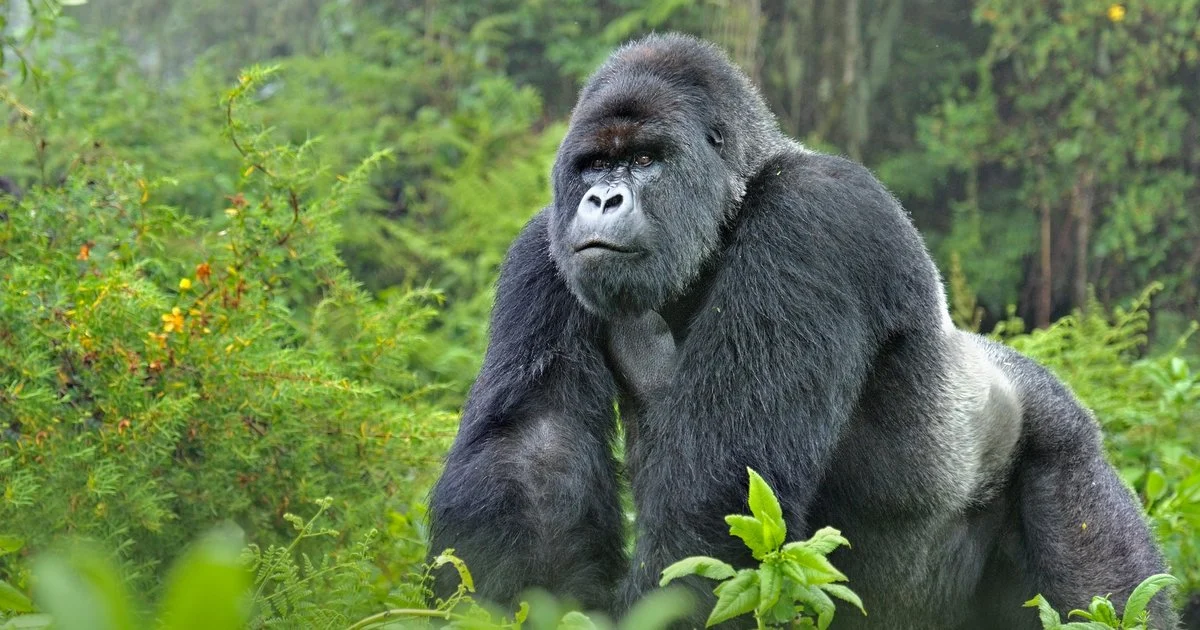
Mountain gorilla families are led by a dominant silverback that guides the group, protects members, and maintains peace. These family bonds create a safe environment where young gorillas can grow and learn.
The Role of the Silverback
The silverback is the leader of a gorilla family. He earns this name because of the silver hair that develops across his back as he matures.
A dominant silverback makes important decisions for the group. He chooses where the family travels, where they feed, and where they build nests for resting. His strongest responsibility is protecting the family from danger.
Silverbacks are powerful, but they are also gentle caregivers. They spend time with young gorillas, allow them to play around them, and provide comfort during stressful moments.
Female Gorillas in the Family
Female gorillas play a vital role in maintaining the family structure. They care for their infants, build relationships with other members, and contribute to the peaceful nature of the group.
Female gorillas usually join a new family group after leaving their birth group. This helps prevent close breeding between relatives and increases genetic diversity among gorilla populations.
Mothers create strong bonds with their young. They carry infants, protect them, and teach them important survival skills as they grow.
The Importance of Young Gorillas
Young gorillas are the future of every family group. They spend much of their time playing, exploring, and learning from older members.
Play helps young gorillas develop physical strength and social skills. Through interaction with family members, they learn how to communicate, find food, and behave within the group.
Older gorillas often tolerate playful behavior from infants and juveniles. These interactions help strengthen family connections.
The Role of Blackbacks
Young male gorillas are known as blackbacks before they develop the silver hair of mature males. They usually remain with their family group until they become older.
As they mature, some blackbacks leave to form their own groups or challenge for leadership. This natural process helps maintain healthy gorilla populations.
Communication Within Gorilla Families
Gorillas communicate through sounds, body movements, and facial expressions. They use different signals to show emotions, warnings, and social connections.
Chest beating, vocal calls, grooming, and gentle touches all play a role in maintaining relationships. These behaviors help family members understand each other and live peacefully together.
Grooming and Social Bonds
Grooming is an important part of gorilla family life. Gorillas clean each other’s fur and strengthen their relationships through this activity.
Grooming helps reduce tension within the group. It also creates trust between individuals, especially among females and between females and the silverback.
How Many Gorillas Live in a Family Group?
A mountain gorilla family usually contains between 5 and 30 members, although the size can vary. Some groups may become larger when several generations live together.
The family normally includes one dominant silverback, females, young gorillas, and sometimes other adult males. Each group has its own personality and social dynamics.
Gorilla Families and Conservation
Understanding gorilla family structure helps researchers protect these endangered animals. Conservation teams monitor family groups to study behavior, health, and population changes.
Gorilla trekking experiences also support conservation by creating funding for habitat protection and community programs around gorilla forests.
Why Gorilla Family Structure Matters
The social life of gorillas shows the importance of family, cooperation, and protection. Their strong relationships reflect behaviors that are surprisingly similar to humans.
Learning about gorilla family structure makes every trekking experience more meaningful. It allows visitors to appreciate not only the animals they see but also the complex lives they lead.
Plan Your Gorilla Trekking Experience
Planning to meet a gorilla family in the forests of Uganda, Rwanda, or Congo is one of Africa’s most unforgettable wildlife experiences. Watching a silverback protect his family and seeing young gorillas play in their natural habitat creates memories that last forever.
A gorilla trek is more than a wildlife adventure. It is a chance to witness the beauty of family bonds in one of nature’s most remarkable species.