Idi Amin History: Understanding Uganda’s Most Turbulent Decade
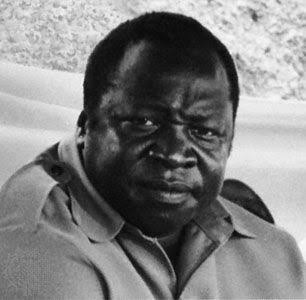
Idi Amin history covers the eight-year presidency of Idi Amin Dada from January 1971 to April 1979, the period that devastated Uganda’s economy, destroyed its political institutions, and claimed between 100,000 and 500,000 lives. Understanding Idi Amin history is essential context for safari visitors who want to understand Uganda’s contemporary resilience and the extraordinary recovery the country achieved after 1986. Idi Amin history explains why Uganda’s infrastructure required such massive post-conflict rebuilding, why the Asian community’s return after 1980 was economically significant, and why Uganda’s older generations carry a specific sense of historical gravity. The physical sites connected to Idi Amin history in Kampala and across the country document this period honestly as part of Uganda’s complete national story.
Idi Amin came to power in a military coup against President Milton Obote on January 25, 1971. The international community initially greeted the coup with relief because Obote had grown increasingly authoritarian. Britain and Israel, both with interests in Uganda, initially supported the new regime. Idi Amin history’s first phase showed the new president as a populist and relatively pragmatic leader. This initial impression collapsed within two years as systematic persecution of political opponents, specific ethnic groups, and the Asian business community began. Idi Amin history between 1972 and 1978 is characterised by economic collapse, mass killings, international isolation, and the complete destruction of the professional class that had developed during Uganda’s colonial and early independence period.
Key Events in Idi Amin History
The Asian Expulsion in Idi Amin History
The expulsion of Uganda’s Asian community in August 1972 is the most economically consequential single event in Idi Amin history. Amin gave Uganda’s approximately 80,000 Asians 90 days to leave the country. Most were British citizens who had lived in Uganda for two or three generations. They ran the commercial infrastructure, including shops, factories, transport businesses, and professional services, that sustained the urban economy. The departure of the Asian community in Idi Amin history created an immediate and catastrophic commercial vacuum that Amin’s government failed to fill. The businesses allocated to Ugandan citizens by Amin’s government deteriorated rapidly without the management knowledge and commercial capital that the Asian proprietors had provided.
The long-term economic damage of the Asian expulsion in Idi Amin history extended through Uganda’s entire post-Amin recovery period. The 1980s and 1990s required massive investment in commercial rebuilding that could have been avoided. The return of Asian families to Uganda after 1986 under an Obote and subsequently Museveni-era invitation policy partially restored the commercial infrastructure. Many of the iconic Kampala businesses operating today trace their origins to the returning Asian families who rebuilt on the sites from which Idi Amin history ejected them in 1972. The physical legacy of Idi Amin history on Uganda’s commercial landscape is visible in the Kampala building stock and business geography that dates from different periods of the city’s development.
Violence and Human Rights in Idi Amin History
The systematic violence of Idi Amin history targeted political opponents, military rivals, specific ethnic communities, and educated professionals throughout the 1971 to 1979 period. The State Research Bureau and the Public Safety Unit were the primary intelligence and security organisations responsible for most of the killings documented in Idi Amin history. These organisations operated detention facilities across Uganda, with the main facility at Nakasero and the Nile Hotel providing the most documented sites of torture and killing in Kampala. The Idi Amin history documentary record includes testimonies from survivors and bodies of victims recovered from the Nile downstream of Kampala.
International human rights organisations documented the scale of violence in Idi Amin history through refugee testimonies and diplomatic reporting. The United Kingdom’s expulsion of Amin’s regime diplomatically and the Organisation of African Unity’s failure to condemn the violence became defining moments in Idi Amin history’s international dimension. Tanzania’s invasion of Uganda in 1978 in response to Amin’s military incursion into Tanzanian territory ended Idi Amin history’s Uganda chapter. Tanzanian forces and Ugandan exiles liberated Kampala in April 1979. Amin fled first to Libya and eventually settled in Saudi Arabia where he died in 2003. The physical liberation of Uganda ended Idi Amin history but the psychological and economic recovery required another decade of civil conflict before Uganda stabilised under the Museveni government in 1986.
Idi Amin History Sites in Uganda
Idi Amin History at Mengo Palace Uganda
Mengo Palace Uganda’s underground detention facility dates from the Idi Amin history period and is the most accessible physical site connected to the regime’s violence in Kampala. The underground chamber below the former swimming pool area of the palace held political prisoners during the Idi Amin history period. Guided tours at Mengo palace include this facility with interpretation that places the site in the full context of Idi Amin history without sensationalising the human suffering associated with it. The physical experience of entering this underground space provides a direct and sobering encounter with the material reality of the detention and violence that characterise the worst period of Idi Amin history.
The State Research Bureau building that served as the primary Idi Amin history intelligence headquarters still stands in Nakasero. This building does not currently offer public tours but its continued physical presence in central Kampala is noted in most Idi Amin history accounts. The Nile Hotel, now the Kampala Serena Hotel, housed Amin’s security service and was a documented site of detention in Idi Amin history. The transformation of this location into one of Kampala’s finest hotels represents one of the most striking physical redemptions of an Idi Amin history site in the contemporary city. Staying or dining at the Serena inevitably carries a historical awareness for visitors who know this element of Idi Amin history.
Uganda’s Recovery from Idi Amin History
Uganda’s recovery from Idi Amin history after 1986 represents one of Africa’s most sustained and most impressive post-conflict national rehabilitations. President Yoweri Museveni’s National Resistance Movement government rebuilt Uganda’s economy, restored commercial confidence, and reintegrated the Asian community over the three decades following Idi Amin history’s end. Kampala’s contemporary architecture, commercial energy, and infrastructure reflect three decades of investment that began essentially from zero in 1986. The national parks recovered simultaneously as anti-poaching enforcement rebuilt wildlife populations devastated during the Idi Amin history period when park management collapsed entirely.
Murchison Falls National Park’s wildlife recovery from the Idi Amin history period is one of Uganda’s most documented ecological restoration achievements. Elephant populations that collapsed to fewer than 300 animals during the lawless years of Idi Amin history now exceed 1,500. The Rothschild giraffe, similarly depleted, now numbers over 1,000 animals in a thriving population. The direct link between political stability and wildlife conservation makes the recovery from Idi Amin history as visible in the national parks as in Kampala’s commercial landscape. Understanding this connection gives Uganda’s safari visitors a richer appreciation of what they observe in both the parks and the capital city.
Plan Your Safari
Explore Idi Amin history through the Mengo Palace Uganda underground detention facility tour and a knowledgeable Kampala cultural guide who provides historical interpretation. The Uganda National Museum holds documents and photographs that contextualise Idi Amin history within Uganda’s complete national story. A morning of historical Kampala sites creates context that enriches every subsequent national park visit.
African Wild Trekkers provides historical briefings covering Idi Amin history as part of Kampala cultural day programmes for clients who want to understand Uganda’s complete national narrative alongside the wildlife safari experience. We arrange guides with the historical knowledge to address this period accurately and sensitively.
Contact African Wild Trekkers to plan a Uganda safari that includes historical context from Idi Amin history to the remarkable recovery story that makes Uganda what it is today. We respond within 24 hours and design itineraries that connect history, culture, and wildlife throughout.