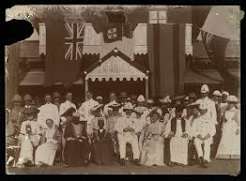
CUganda Colonial History: From British Protectorate to Independent Pearl of Africa
Uganda colonial history spans six decades from 1894 to 1962, during which the British Protectorate administration transformed the region’s political structures, religious landscape, and economic organisation. Colonial history differs from that of Kenya and Tanzania in one fundamental respect: Uganda never became a settler colony. The absence of large-scale European land alienation preserved Ugandan land rights and shaped a colonial economy built on African smallholder agriculture rather than European plantation farming. Uganda colonial history explains the country’s post-independence political configurations, its Christian denominational distribution, its economic structure, and the administrative geography that still defines how Ugandans identify with region and ethnicity. Understanding Uganda colonial history gives safari visitors a historical framework for interpreting what they observe in communities and landscapes across the country.
The British East Africa Company first entered Uganda in 1890, establishing a trading presence at Kampala before the British government declared a formal Protectorate in 1894. The timing of British arrival coincided with intense religious and political conflict within the Buganda Kingdom between Catholic, Protestant, Muslim, and traditionalist factions. British colonial officers manipulated these factions to establish control. Uganda colonial history thus begins with a period of civil conflict that the colonial administration both exploited and ultimately resolved through the 1900 Buganda Agreement. This agreement’s terms shaped the entire subsequent character of Uganda colonial history by giving the Buganda Kingdom a privileged position within the colonial administrative structure.
Key Events in Uganda Colonial History
The 1900 Buganda Agreement
The 1900 Buganda Agreement is the foundational document of Uganda colonial history. The agreement between the British Protectorate administration and the Buganda Kingdom’s regency council converted Buganda from a conquered territory into a semi-autonomous constitutional monarchy within the Protectorate. Buganda Kingdom landowners received freehold title to land under a privatised system that replaced the traditional Buganda land tenure arrangements. This Mailo land system created a Buganda landowning class that supported the colonial administration in exchange for the land rights it received. The economic and political dominance of Buganda within Uganda colonial history traces directly to the terms of this agreement.
Other Uganda kingdoms and peoples received no comparable agreement in Uganda colonial history. The Bunyoro Kingdom, which had fought the most determined resistance to British conquest, suffered punitive territorial reductions that transferred land to Buganda as a reward for Buganda’s alliance with the colonial forces. The “Lost Counties” of Buyaga and Bugangaizi, transferred from Bunyoro to Buganda in 1896, became one of Uganda colonial history’s most persistent territorial disputes. The colonial administrative favouritism toward Buganda in the 1900 agreement created inter-ethnic resentments that shaped Uganda’s post-independence politics directly.
Economic Development in Uganda Colonial History
Uganda colonial history’s economic dimension centred on cotton cultivation as the primary export crop. The British administration promoted cotton as a smallholder crop that Ugandan farmers grew on their own land and sold to government-licenced buying ginneries. This cotton economy gave Uganda colonial history a distinctly African character that Kenya’s settler-dominated economy did not share. Coffee replaced cotton as Uganda’s primary export crop during the mid-20th century and remains the country’s most important agricultural export today. The infrastructure built during Uganda colonial history — railways, roads, and cotton ginneries — shaped the economic geography that contemporary safari visitors travel through between national parks.
The Uganda Railway from Mombasa reached Kampala in 1931, connecting Uganda colonial history’s economy to the Kenya coast for export. This railway created the logistics network for cotton and coffee export and changed the settlement patterns of western Kenya and eastern Uganda permanently. Asian traders from British India arrived in Uganda during the railway construction period and subsequently dominated the small business sector throughout Uganda colonial history. Their role in Uganda colonial history ended traumatically in 1972 when Idi Amin expelled the entire Asian community, devastating the commercial economy. The reconstruction of the Asian business community after their return in the 1980s represents one of Uganda’s most remarkable economic recovery stories.
Uganda Colonial History and Independence
The Path to Uganda Independence
Uganda colonial history moved toward independence gradually through the 1950s as African nationalist movements across the continent gathered momentum. The Uganda National Congress formed in 1952 as the first modern political party demanding Ugandan self-governance. Milton Obote’s Uganda People’s Congress emerged in the late 1950s to challenge both the colonial administration and the Buganda Kingdom’s dominance. The constitutional conferences of 1961 and 1962 negotiated the terms of independence within the framework of Uganda colonial history’s inherited political structures. Uganda colonial history ended formally on October 9, 1962, when Uganda became independent with Obote as Prime Minister and the Kabaka of Buganda as President.
The legacy of Uganda colonial history shaped independent Uganda’s first decades in multiple ways. The Buganda Agreement’s preferential terms for the kingdom created political tensions that Obote resolved by force in 1966. The colonial drawing of the Uganda Protectorate boundary included peoples of diverse ethnic groups without organic political unity. The Christian denominational split between Catholics and Protestants created by Catholic White Father and Anglican Church Missionary Society competition during Uganda colonial history became a partisan political division in post-independence party politics. Understanding Uganda colonial history is therefore essential for understanding the political conflicts and ethnic configurations that characterised Uganda’s first three post-independence decades.
Uganda Colonial History Sites to Visit
Uganda colonial history left visible physical traces across the country that safari visitors encounter throughout their itinerary. Fort Lugard on Old Kampala Hill was the first British military installation in Uganda and marks the physical beginning of Uganda colonial history in the capital. The colonial-era railway infrastructure at Kampala station and along the Jinja road reflects the Victorian engineering ambition of Uganda colonial history’s economic development phase. Jinja’s colonial-era architecture along the Owen Falls Dam road preserves Uganda colonial history’s most intact built heritage outside Kampala. The Owen Falls Dam itself, built during the 1950s colonial period, continues generating Uganda’s electricity and represents Uganda colonial history’s most consequential infrastructure investment.
Church buildings across Uganda reflect the denominational geography created by Uganda colonial history’s missionary competition. Namirembe Anglican Cathedral and Rubaga Catholic Cathedral on adjacent Kampala hills face each other across the valley in a physical expression of the Catholic-Protestant rivalry that shaped Uganda colonial history from the 1880s onward. These cathedrals were built during Uganda colonial history and retain their original architectural character. Mission-built hospitals and schools throughout Uganda continue serving communities on sites established by missionary organisations during the colonial period. Each of these structures connects the contemporary landscape to the Uganda colonial history that created the social, religious, and administrative infrastructure that independent Uganda inherited in 1962.
Plan Your Safari
Explore Uganda colonial history during a Kampala cultural day that includes Fort Lugard, Namirembe Cathedral, and the Uganda National Museum’s colonial history exhibits. Ask your cultural guide to explain how Uganda colonial history connects to the ethnic and political structures you observe throughout the safari circuit. A knowledgeable Kampala cultural guide makes Uganda colonial history come alive through the specific buildings and places you visit together.
African Wild Trekkers provides historical context for Uganda colonial history in all safari itineraries through briefings and guide interpretation at colonial history sites. We design Kampala cultural programmes that connect Uganda colonial history to the landscape and community observations that enrich the national park safari experience.
Contact African Wild Trekkers to explore Uganda colonial history on your safari. We respond within 24 hours and design Uganda itineraries that connect historical understanding to the landscape, culture, and wildlife that make Uganda extraordinary.