How to Cross the Kenya-Tanzania Border on Safari: Namanga Gate Guide
The Namanga Border: East Africa’s Most-Used Safari Crossing
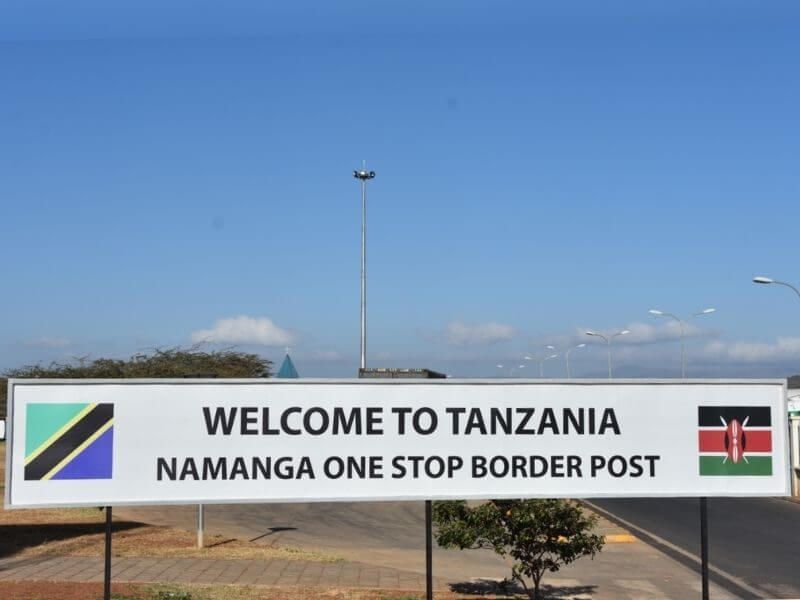
The Namanga border crossing between Kenya and Tanzania is the most frequently used land border crossing for safari travelers moving between the two countries’ northern wildlife areas. It is the most practical overland connection between the Masai Mara in Kenya and Tanzania’s northern circuit parks. Amboseli, Arusha, Tarangire, and the Serengeti.
The crossing sits on the main Nairobi-Arusha highway and handles tourist traffic efficiently, with a separate tourist lane at busy periods and immigration officers experienced in processing safari vehicles with multiple nationalities. Understanding the crossing logistics, documentation requirements, and what to expect in terms of time and experience makes a Kenya-Tanzania safari combination involving the Namanga crossing stress-free rather than uncertain.
This guide addresses travelers in organized safari vehicles specifically, as the crossing experience differs meaningfully between self-drive visitors and those using operator-provided vehicles with professional drivers familiar with the crossing process. It covers visa requirements for entering both countries at land borders, opening hours, how long the crossing actually takes, and what happens to your vehicle and luggage. And how to plan the crossing within a safari itinerary to minimize lost game drive time.
Visa Requirements at Namanga
What Documents You Need on Both Sides
Tanzania Visa: E-Visa Before Arrival is Essential
Tanzania does not typically issue tourist visas on arrival at land borders for international visitors. The standard requirement is to obtain a Tanzania e-visa in advance through the Tanzania Immigration Services online portal. The e-visa costs USD 50 for most nationalities (USD 100 for US citizens). Tanzania processes most applications within two to five working days with adequate advance notice.
Attempting to cross the Namanga border without a pre-arranged Tanzania visa is a significant risk. Border officers may turn you back, requiring a return to Nairobi for visa processing, a full day lost, and considerable disruption to a safari itinerary. Ensure your Tanzania e-visa is confirmed and printed before departing Nairobi for the Namanga crossing. And carry the printed approval letter and your passport to present at the immigration desk.
Citizens of East African Community member states (Kenyan, Ugandan, Rwandan, Burundian, and South Sudanese). And Congolese passport holders) do not require a separate Tanzania visa for tourism purposes. Citizens of many other African countries have various bilateral visa-free arrangements with Tanzania that you should check on the Tanzania Immigration website before travel rather than assuming. If you hold an EAC tourist visa from Kigali or Entebbe, confirm whether Tanzania accepts it at the Namanga land crossing before relying on it, as not all EAC visas are valid at all land border crossings.
Kenya Visa for Re-Entry After Tanzania
Travelers crossing from Tanzania back into Kenya (from Arusha toward Nairobi or the Masai Mara) need to confirm whether their Kenya visa allows re-entry. Single-entry Kenya tourist visas do not allow re-entry after exit. If you entered Kenya, you crossed into Tanzania. And are now returning to Kenya, you need a multiple-entry Kenyan visa or a new single-entry visa for the return crossing.
Multiple-entry Kenya e-visas are available through the eCitizen Kenya portal and cost USD 100 for most nationalities. Check your visa entry type before the outbound Tanzania crossing and ensure you have the correct visa type for any return Kenya crossing. This prevents the specific problem of border officers turning you back at Namanga on the return with a single-entry visa you already used.
The EAC Tourist Visa covers Kenya and can apply to re-entry into Kenya if the same EAC visa originated at a Kenyan entry point or if Kenya specifically accepted it as a multiple-entry document. Confirm the conditions of EAC visa re-entry with Kenyan immigration before departure to avoid any ambiguity at the crossing. Your safari operator’s driver or guide will typically know the current crossing requirements from their regular crossings and can advise on any recent changes to the standard procedure that official documentation may not yet reflect.
The Crossing Experience: Step by Step
What Actually Happens at Namanga
Kenya Exit: The First Stop
Crossing from Kenya into Tanzania at Namanga begins with the Kenya exit formalities at the Namanga gate. Your vehicle stops, and the driver handles any customs declarations for the vehicle. And passengers present passports at the Kenya immigration desk for exit stamps. The Kenya exit process is generally quick. 15 to 30 minutes for a standard safari vehicle with four to eight passengers presenting pre-arranged documentation. Officers may check yellow fever vaccination certificates if you are coming from a country with yellow fever risk. Having the International Certificate of Vaccination (ICVP yellow card) immediately accessible rather than buried in luggage speeds this check considerably.
The brief no-man’s land between the Kenyan and Tanzanian immigration posts is typically 200 to 500 meters. The driver moves the vehicle forward while passengers walk to the Tanzania immigration building. The Tanzania immigration desk processes passenger passports with e-visas or on-arrival visas for nationalities with that option. And the vehicle documents go through customs separately.
Processing time on the Tanzania side varies considerably depending on queue length and the specific officers on duty. Crossing during peak tourist season (July-October) on a busy morning can take two to three hours total for the full Kenyan exit plus the Tanzanian entry process. While off-peak crossings sometimes take under an hour. Crossing mid-morning on a weekday is the most reliable way to minimize processing time within an itinerary.
Practical Tips for Namanga Crossings
Timing, Documents, and What to Bring
Documents, Food, and Crossing Comfort
Carry all crossing documents—passport, Tanzania e-visa approval letter, Kenya visa, and yellow fever certificate—in a single accessible folder or envelope rather than distributed across multiple bags. You will need to present these documents multiple times to different officials during the crossing sequence.
US dollars in small bills are useful for any incidental crossing fees, photography permit fees, or tips for officials who assist with luggage scanning. Bring a snack, water, and sun protection for waiting in the outdoor queue areas to avoid unnecessary discomfort during a potentially long wait in the equatorial sun at Namanga’s uncovered processing area.
The Namanga crossing has a market and food stalls immediately adjacent on both sides. Maasai women selling beaded jewelry and fruit vendors. And small kiosk restaurants. Which provides both entertainment and refreshment during any extended crossing wait. The Maasai market at Namanga is worth a few minutes of browsing as an incidental cultural experience even for travelers who want to get through the crossing quickly.
When purchasing small items in the market, keep the same awareness of your documents and valuables as in any crowded market environment. Keep your passport secure and out of sight in a crowd.
Plan Your Safari
Safari itineraries that include Namanga crossing. Moving between Kenya’s southern game areas and Tanzania’s northern circuit, or the reverse. Benefit from building a half- to full-day buffer time around the crossing rather than scheduling a game drive on the same morning as a planned Namanga transit.
Arriving at Namanga mid-morning allows a comfortable crossing and arrival at the Tanzania camp in time for an afternoon game drive. Your operator manages the vehicle customs documentation and provides guidance at the crossing based on their regular experience with the process.
African Wild Trekkers manages the Tanzania-side logistics for guests crossing from Kenya at Namanga, coordinating vehicle documentation and immigration support. And afternoon camp arrival timing for guests completing a Kenya-Tanzania combined itinerary. Our drivers cross at Namanga regularly and handle the customs and vehicle clearing process without additional passenger management requirements.
Contact African Wild Trekkers at africanwildtrekkers.com/contact with your Kenya-Tanzania crossing dates, and we will coordinate your Namanga arrival and Tanzania camp schedule within 24 hours.