Kilimanjaro for Beginners: Is Africa’s Highest Peak Suitable for First-Timers?
Can Beginners Climb Kilimanjaro? An Honest Assessment for First-Timers
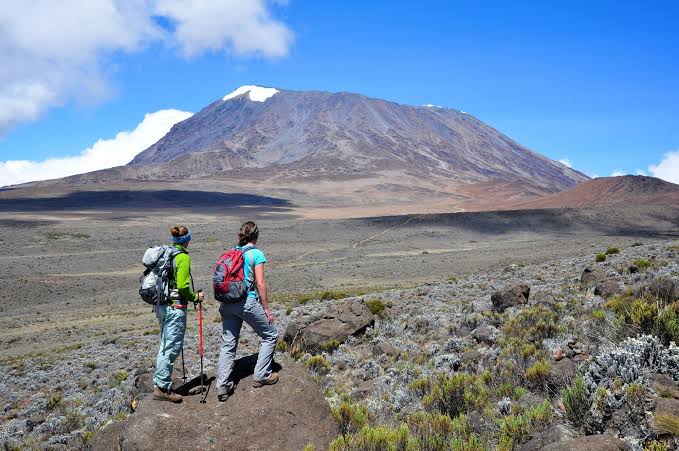
Kilimanjaro is widely marketed as a mountain accessible to anyone with adequate fitness. This claim is broadly true. The technical climbing difficulty is genuinely low, and the non-technical routes require no rope, ice axe, or glacier travel skills. However, “accessible to fit people” is not the same as “easy.” The frequency with which first-time climbers underestimate what Kilimanjaro demands is one of the mountain’s most persistent stories. Africa’s highest peak at 5,895 meters sits in the physiological zone where altitude affects the body profoundly and unpredictably. This happens regardless of fitness level or prior mountain experience. Understanding what Kilimanjaro actually requires of beginners. Honestly, without the inspirational marketing. It is the most useful preparation for deciding whether to go.
What Makes Kilimanjaro Accessible to Beginners
Several genuine factors make Kilimanjaro more accessible to first-time mountain climbers than almost any other peak above 5,000 meters.
No Technical Skills Required
The standard Kilimanjaro routes — Lemosho, Machame, Rongai, Marangu, and the Northern Circuit — do not require any technical climbing skills. There is no glacier travel on the normal routes, no roping up, and no use of crampons or ice axes on the ascent path. There is no section that requires more than basic scrambling ability on hands and feet. The Barranco Wall on the Lemosho and Machame routes is the closest thing to technical terrain on the popular routes. Even this section is manageable for anyone with reasonable coordination and a head for moderate heights. A person who has never set foot on a mountain above 2,000 meters can begin their mountain climbing career on Kilimanjaro without any technical skills gap.
The excellent guide and porter infrastructure on Kilimanjaro also makes the logistical aspects of a first mountain expedition manageable. On more remote and self-supported climbs these logistics would fall entirely to the climber. Experienced guides manage navigation, weather assessment, pacing decisions, altitude monitoring, and emergency response. Porters carry the heavy loads that would crush first-time trekkers attempting to carry all their own gear. Camp infrastructure—tents, dining facilities, cooking staff—is in place at each location before the climbing group arrives. This level of support allows beginners to focus entirely on walking and acclimatizing rather than on expedition management.
Well-Established Routes and Rescue Infrastructure
Kilimanjaro’s park infrastructure includes a professional mountain rescue service, ranger presence at all major camps, and established emergency evacuation routes. And communication systems that allow rescue coordination between camps and base. First-time climbers who encounter altitude illness, injury, or other emergencies have access to rescue resources that are far more developed than on most mountains of comparable or lesser altitude. This safety net does not eliminate risk. But it meaningfully reduces the consequences of altitude-related problems developing rapidly. It also provides reassurance for first-time climbers and their families that medical assistance is available if required.
The well-worn routes themselves provide beginner-friendly navigation. Paths are clearly defined, well-trafficked, and maintained to a standard that makes getting lost almost impossible with a competent guide. The camp infrastructure at Shira, Barranco, Karanga, and Barafu on the Lemosho Route provides known stopping points with facilities at regular intervals. First-time mountain climbers do not need to develop route-finding skills, campsite selection judgement, or water source identification skills on Kilimanjaro. The guide handles all of these, which removes an entire category of competencies essential on most wilderness mountain expeditions.
What Beginners Need to Understand
The factors that make Kilimanjaro accessible do not eliminate its genuine challenges. Beginners who arrive expecting a challenging hike rather than a serious high-altitude expedition are the population most likely to turn back before the summit.
Altitude is the dominant challenge.
No amount of fitness prepares the body for altitude in the way that gradual acclimatization on the mountain does. Kilimanjaro, at 5,895 meters, sits in the zone where oxygen availability is approximately 50 percent of sea level. The physiological effects — headache, fatigue, reduced appetite, disturbed sleep, nausea — affect the majority of climbers to some degree during the ascent. This happens regardless of how fit they are at sea level. An elite marathon runner has no inherent altitude advantage over a moderately active recreational walker at 5,000 meters. The body’s altitude adaptation depends on time at altitude and individual genetics, not cardiovascular fitness developed at sea level.
First-time climbers who experience altitude symptoms for the first time on Kilimanjaro are often surprised by how debilitating even mild acute mountain sickness can feel. A headache at sea level is an inconvenience. A headache at 4,500 meters with fatigue, nausea, and disrupted sleep after six days of consecutive trekking is a different experience entirely. It requires genuine mental resilience to manage alongside the physical effort of continuing to ascend. Beginners who have discussed altitude illness preparation with their doctor and understand what symptoms to report to their guide are better positioned to make good decisions on the mountain. Those who encounter altitude for the first time without preparation are not.
Physical Preparation Matters Enormously
Kilimanjaro does not require technical mountain fitness. But it does require genuine aerobic endurance that many recreational walkers have not developed. The ability to walk five to eight hours per day for seven consecutive days is essential. The final day’s summit push extends to twelve hours or more. This demands a fitness base you cannot build from scratch at the mountain gate. Beginners who follow a 12-week structured training program three months before the climb. Building up to long back-to-back walking days with a daypack and significant elevation gain. Arrive with the aerobic foundation the climb requires. Beginners who approach Kilimanjaro as a travel adventure rather than a physical challenge and have not trained specifically are the demographic most likely to turn back exhausted before altitude becomes the limiting factor.
The positive message for beginners is that the fitness required for Kilimanjaro is achievable by most adults with a structured preparation period. This is not a climb for ultra-athletes or mountaineers only. It is a climb for people who prepare seriously and choose an appropriate long route with adequate acclimatization time. And bring the mental resilience to continue through discomfort. Thousands of first-time mountain climbers reach Uhuru Peak each year. The summit is achievable, the route is clear, and the support infrastructure is excellent. The mountain rewards preparation and punishes complacency in equal measure.
The Best Route for First-Timers
African Wild Trekkers recommends the eight-day Lemosho Route for Kilimanjaro beginners. Its summit success rate of over 90 percent on the eight-day version is one of the highest on the mountain. outstanding scenery traverses the mountain’s full western-to-eastern breadth. Its superior acclimatization profile compared to shorter routes makes it the option most likely to deliver a first-time summit in the most rewarding conditions. The additional cost relative to the six-day Machame Route or five-day Marangu Route is modest compared to the total cost of reaching Tanzania. The improvement in summit odds that the additional acclimatization days provide makes the longer route both the correct financial decision and the better safety choice.
The nine-day Northern Circuit is an excellent alternative for first-time beginners who want the highest possible summit success rate and the most exclusive wilderness experience on the mountain. Its additional two days over the Lemosho Route increase acclimatization time further. It also accesses the mountain’s remote northern slopes that no other route reaches. The additional cost is offset for many first-time climbers by the quality of the experience and the peace of mind that comes from choosing the route with the highest documented summit success rate.
Plan Your Safari
First-time Kilimanjaro climbers benefit most from an operator who provides thorough pre-climb preparation support, not just a booking confirmation. African Wild Trekkers provides every beginner client with a detailed training program recommendation, gear list, altitude medicine guidance, and pre-climb briefing. The briefing covers what to expect at each stage of the mountain from gate entry to summit push.
Kilimanjaro packages for beginners are available on the Lemosho and Northern Circuit routes with experienced guides who specialize in supporting first-time high-altitude climbers. Tanzania safari extensions covering the Serengeti, Ngorongoro Crater, and Zanzibar Beach are available as add-ons to create a complete Tanzania itinerary around the mountain climb.
Contact African Wild Trekkers at africanwildtrekkers.com/contact with your fitness background and preferred travel dates. And any beginner questions, and we will design the right Kilimanjaro approach for your first summit within 24 hours.