Lewa Wildlife Conservancy Kenya: UNESCO Heritage Site and Rhino Conservation Leader
Lewa Wildlife Conservancy Kenya
It covers 250 square kilometers on the northern Laikipia Plateau in Kenya.
It forms part of the Mount Kenya World Heritage Site, reflecting strong conservation success and landscape integrity.
The conservancy sits between Mount Kenya’s forests and the semi-arid Laikipia plateau transition zone.
Lewa protects 15 percent of Kenya’s black rhino population and a significant Grevy’s zebra population.
It pioneered a community conservancy model now replicated across Laikipia and beyond.
Tourism revenue supports over 12,000 people in surrounding community zones.
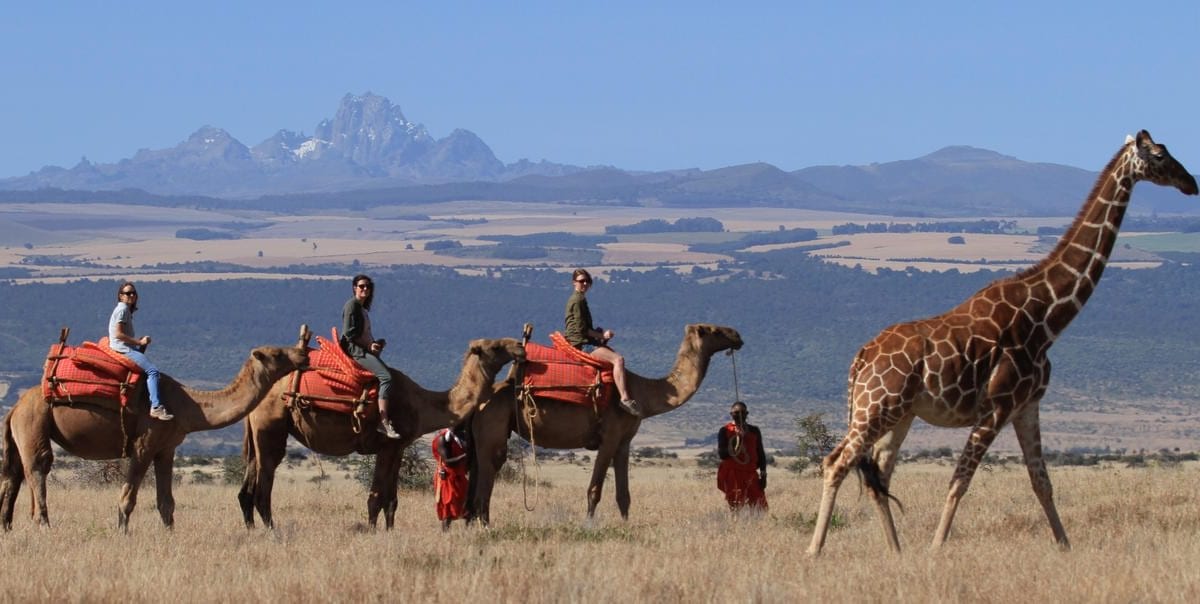
Lewa offers horse riding, camel safaris, walking safaris, night drives, and helicopter game viewing.
These activities make it one of Kenya’s most diverse luxury safari destinations.
African Wild Trekkers includes Lewa in safari circuits for rhino conservation and luxury experiences.
Wildlife at Lewa: Black Rhino and Grevy’s Zebra
Lewa’s black rhino conservation represents one of Kenya’s greatest wildlife recovery achievements.
Firstly, the conservancy began rhino protection in the 1980s when Kenya’s population dropped to about 300 animals and 70 black rhinos.
Subsequently, the Craig family converted cattle ranching land into a rhino sanctuary despite major economic sacrifice.
Moreover, Lewa has developed into one of Africa’s most successful black rhino breeding and protection sites.
In addition, some rhinos have been relocated to other Kenyan conservation areas to rebuild wild populations.
As a result, each translocation strengthens Kenya’s national rhino recovery and genetic diversity programs.
Furthermore, guides often share histories of rhinos born in Lewa and later relocated elsewhere.
Lewa also supports one of Kenya’s largest populations of Grevy’s zebra.
Meanwhile, the Grevy’s Zebra Trust operates monitoring and disease prevention programs from the conservancy.
Occasionally, guests observe active conservation fieldwork during extended stays.
Importantly, each zebra is individually tracked, allowing guides to explain life histories and survival challenges.
Alternative Safari Modes at Lewa
In addition, horse riding safaris at Lewa create closer wildlife encounters than standard vehicle game drives.
Generally, many species tolerate horses more easily than vehicles due to herd-based perception.
Similarly, riding past giraffes or zebras creates immersive and sensory wildlife experiences.
By contrast, camel safaris offer a quieter, non-motorized alternative for non-riders.
Furthermore, night drives reveal Lewa’s nocturnal wildlife, rarely seen during daytime safaris.
At night, aardvarks, genets, civets, porcupines, and bush babies appear frequently.
Occasionally, serval or caracal sightings create highlights for night safari visitors.
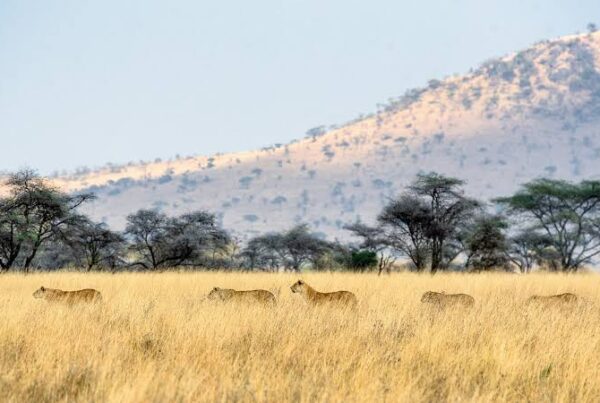
Additionally, lions and leopards often display natural hunting behavior after dark.
Lewa’s Community Model
Notably, Lewa Wildlife Conservancy supports over 12,000 people through community conservation partnerships.
In particular, funding supports schools, healthcare services, and education bursaries for surrounding communities.
Likewise, the Lewa Community Schools program supports more than 10,000 students annually.
Finally, health initiatives reduce child mortality through mobile clinics and maternal care programs.
Community rangers assist in monitoring wildlife and supporting anti-poaching operations.
Local knowledge strengthens conservation effectiveness across the large landscape.
This model aligns community income with wildlife conservation benefits.
>It has operated successfully for more than three decades.
Plan Your Safari
Lewa offers limited accommodation at Lewa Safari Camp, Lewa Wilderness, and Sirikoi.
Peak seasons from July to October require bookings six to nine months in advance.
African Wild Trekkers combines Lewa with Samburu or Ol Pejeta circuits.
These itineraries highlight rhino conservation and diverse northern Kenya landscapes.
Packages include conservancy fees, accommodation, activities, and light aircraft transfers from Nairobi.
All activities are included, with no additional per-activity charges on arrival.
Contact African Wild Trekkers at africanwildtrekkers.com/contact with your Kenya travel dates and we will design a complete northern Kenya itinerary around your Lewa visit within 24 hours.