Ol Pejeta Conservancy Kenya: Where You Meet the Last Two Northern White Rhinos
Ol Pejeta Conservancy Kenya
The Conservancy covers 364 square kilometers on the Laikipia Plateau north of Mount Kenya.
It holds Najin and Fatu, the last two northern white rhinoceroses on Earth.
This subspecies survives only through scientific intervention and assisted reproduction technology programs.
The conservancy also protects Kenya’s largest black rhino population and over 10,000 large mammals.
African Wild Trekkers includes Ol Pejeta for its conservation importance and species diversity.
The Northern White Rhinos: A Species at the Edge
Najin and Fatu are mother and daughter, the last surviving northern white rhinoceroses in existence.
Their species once ranged widely across Africa before poaching eliminated wild populations completely.
Ol Pejeta Conservancy now serves as their only protected home under constant security.
Sudan, the last male northern white rhino, died in 2018, ending natural reproduction permanently.
Neither Najin nor Fatu can carry pregnancies, making natural recovery biologically impossible.
Scientists rely entirely on assisted reproduction using frozen genetic material and surrogate southern white rhinos.
The BioRescue program has created embryos using stored sperm from deceased northern white rhinos.
These embryos remain frozen while researchers develop methods for successful implantation and pregnancy.
Meeting the two rhinos creates a powerful awareness of extinction and conservation urgency.
Rangers provide daily care and protection, forming strong bonds with both remaining animals.
This human relationship highlights the emotional and scientific cost of extinction prevention efforts.
The Science of De-Extinction Efforts
BioRescue leads the most advanced de-extinction program for a large mammal species globally.
The project combines egg retrieval, IVF, embryo creation, and cryopreservation techniques.
Scientists successfully created viable embryos using sperm from deceased northern white rhino males.
These embryos represent a potential pathway to restoring a functional population in the future.
However, implantation and full-term pregnancy remain major scientific challenges requiring long-term research.
Ol Pejeta Conservancy explains this science through its education center for visiting guests.
The program raises ethical questions about conservation priorities and resource allocation decisions.
Staff openly discuss whether saving extinct species outweighs preventing future extinctions.
This transparency makes Ol Pejeta a leading example of modern conservation education practice.
Black Rhinos and General Wildlife at Ol Pejeta
Ol Pejeta hosts over 120 black rhinos, Kenya’s largest single population of the species.
Rhinos live in protected habitats combining grasslands, forests, and open plains.
Each rhino is tracked using GPS collars and microchips for monitoring and protection.
Guides use real-time data to increase rhino sighting success during game drives.
Black rhinos often allow close viewing due to long-term habituation to monitoring vehicles.
The conservancy also supports relocated southern white rhinos from South Africa.
Seeing both rhino species allows clear comparison during a single game drive experience.
The population grew from fewer than 30 rhinos in 2004 to over 120 today.
This growth demonstrates the success of long-term habitat protection and management strategies.
Rhino tourism directly funds veterinary care, ranger operations, and security infrastructure.
Visitors contribute directly to conservation outcomes through their safari participation.
Lions, Cheetahs, and Wild Dogs
Ol Pejeta supports lions, cheetahs, and African wild dogs across its enclosed ecosystem.
Ol Pejeta Conservancy offers high predator visibility due to concentrated prey populations.
Lion prides occupy defined territories across grassland and acacia habitats.
Cheetahs hunt in open plains, benefiting from low vehicle density and clear terrain.
Wild dogs move through the conservancy during regional migrations across Laikipia.
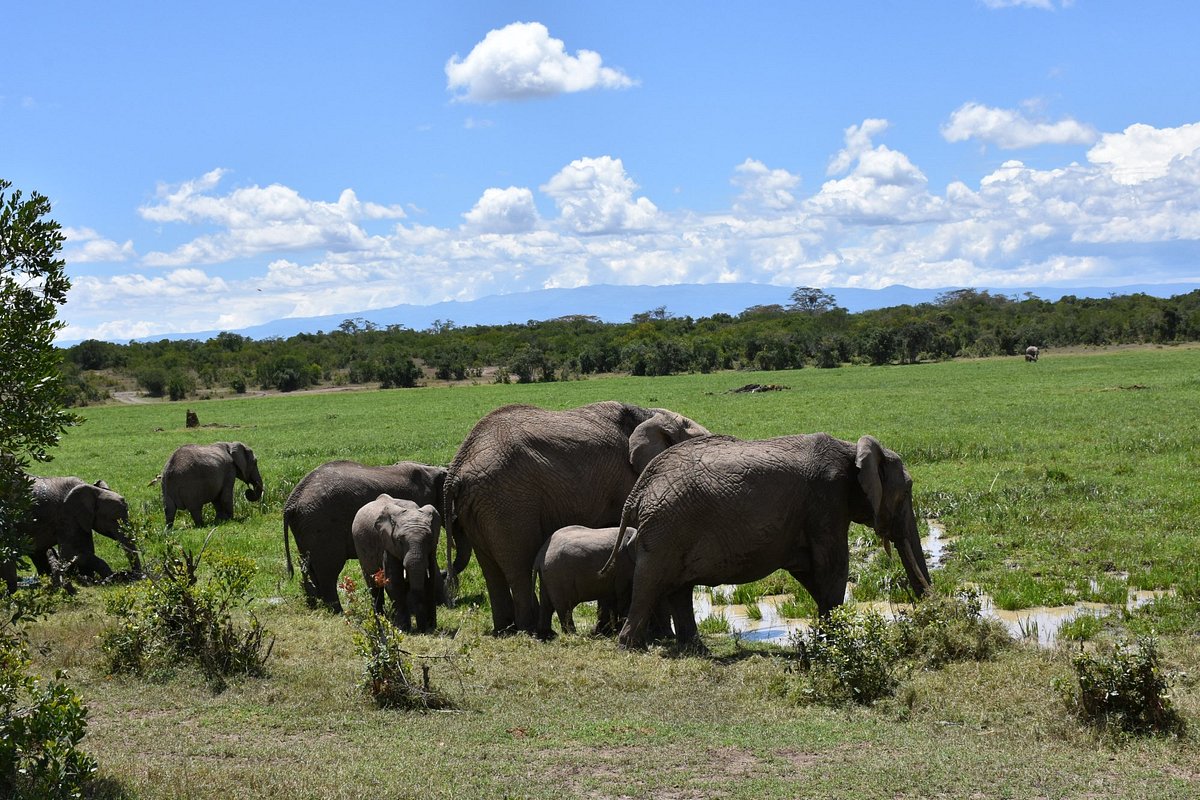
Elephants use wildlife corridors connecting Ol Pejeta to surrounding conservation areas.
Long-term research links Ol Pejeta elephants to broader Laikipia population studies.
Guides explain individual animal histories using decades of ecological tracking data.
This connectivity makes Ol Pejeta part of a wider managed ecosystem, not an isolated park.
Plan Your Safari
Ol Pejeta requires advance booking due to limited accommodation capacity across its lodges.
Peak seasons often sell out months in advance across all property options.
African Wild Trekkers combines Ol Pejeta with Lewa or Borana for full Laikipia circuits.
These itineraries include rhino conservation, predator viewing, and diverse landscape experiences.
Packages include entry fees, guided drives, accommodation, and transfers from Nanyuki or Nairobi.
Every visit includes a briefing on the northern white rhino conservation program.
Contact African Wild Trekkers at africanwildtrekkers.com/contact for itinerary planning and availability confirmation.