Mombasa Old Town: Walking Through 2,000 Years of Indian Ocean History
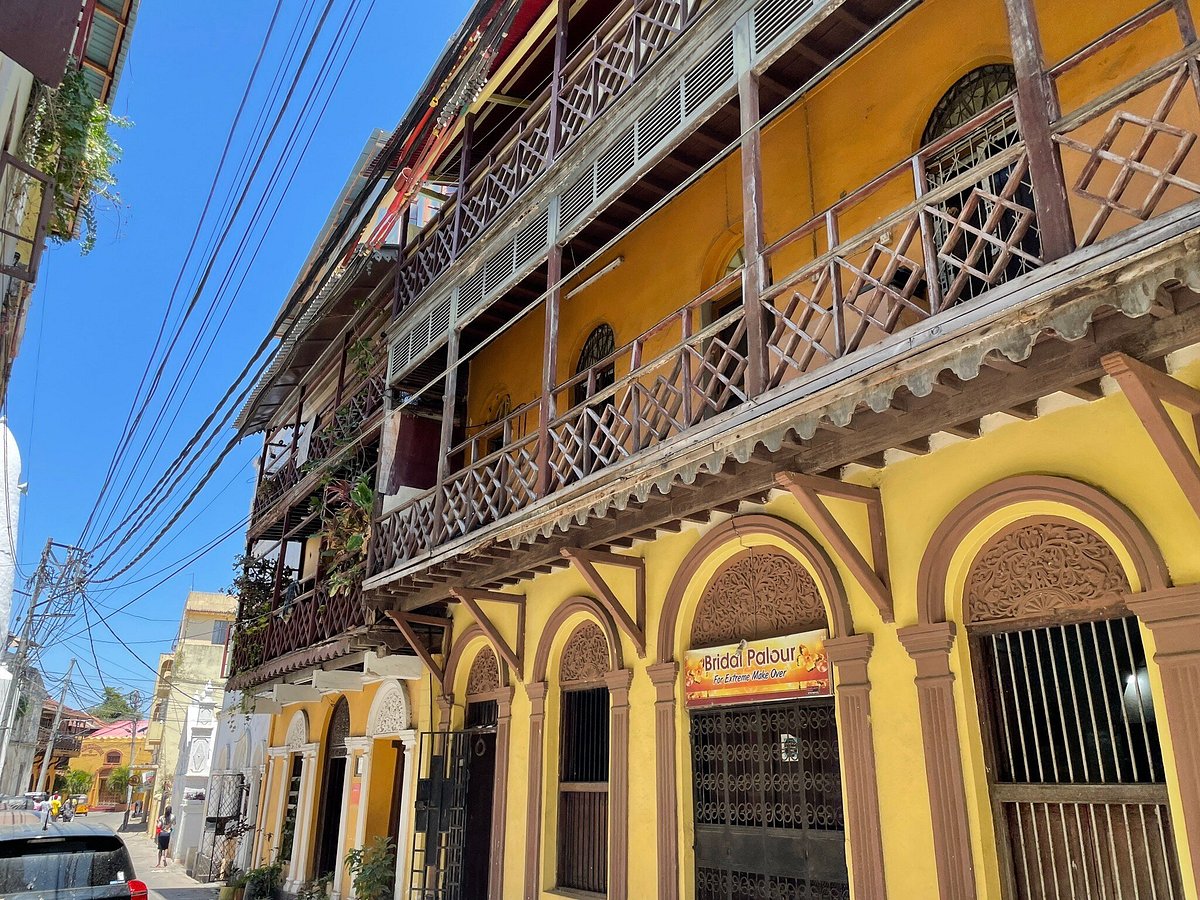
Mombasa old town is one of East Africa’s most atmospheric and historically layered urban districts. This 16-hectare neighbourhood on Mombasa Island preserves 2,000 years of Indian Ocean trading history in its carved doors, mosques, and narrow winding streets. Mombasa old town shows the architectural influence of Arab, Indian, Persian, and Portuguese merchants who traded through this port for centuries. UNESCO has recognised Mombasa old town as a site of outstanding historical significance. Walking through Mombasa old town covers Fort Jesus, the Old Law Courts, ancient mosques, and the remarkable carved door tradition that defines the neighbourhood’s streetscape. Mombasa old town is Kenya’s most complete surviving example of Swahili coast urban culture.
Mombasa old town occupies the eastern side of Mombasa Island facing the Old Port. The Old Port itself has operated continuously for over 1,000 years. Dhows from Arabia, Persia, and India still arrive at the Mombasa old town quayside during the northeast monsoon months. The monsoon wind system drove this Indian Ocean trade network for millennia before European contact. Understanding this monsoon trade connection makes every Mombasa old town building more legible as part of a global trading civilisation rather than an isolated local phenomenon.
Mombasa Old Town Architecture
Carved Doors of Mombasa Old Town
The carved wooden doors of Mombasa old town are its most celebrated architectural feature. Over 200 ornately carved doorways survive in the Mombasa old town neighbourhood. These doors display geometric, floral, and religious motifs drawn from Swahili, Arabic, and Indian artistic traditions. The most elaborate Mombasa old town carved doors were commissioned by wealthy Indian merchant families in the 19th century. The size and complexity of a Mombasa old town door traditionally indicated the wealth and status of its owner. Larger doors with more intricate carving marked the homes of the most successful traders in the Mombasa old town merchant community.
A self-guided Mombasa old town carved door walking tour takes two to three hours to complete. The Mombasa old town carving tradition uses African hardwoods including mvule and mangrove. The outer frame carving differs from the inner panel carving in traditional Mombasa old town door composition. Brass studs and ornamental hinges complement the carved wood surfaces on the finest Mombasa old town doors. Some Mombasa old town carved doors are centuries old and show deep patination and wear. Restoration projects at Mombasa old town have stabilised the most deteriorated examples with support from the Aga Khan Historic Cities Programme.
Mosques of Mombasa Old Town
Mombasa old town contains over 30 mosques from different historical periods. The Basheikh Mosque in Mombasa old town dates from 1903 and remains an active place of worship. The Mandhry Mosque is the oldest continuously used mosque in Mombasa old town, founded in 1570. Friday prayers at the Mandhry Mosque draw worshippers from across the island to the Mombasa old town centre. Non-Muslim visitors may view Mombasa old town mosque exteriors respectfully but should not enter during prayer times. A Mombasa old town guide who is a community member provides the most respectful and informative mosque context for visiting safari groups.
Jain and Hindu temples also survive in the Mombasa old town commercial district. These Indian merchant community temples reflect the significant role of Gujarati and Kutchi traders in the Mombasa old town economy from the 18th century onwards. The Swaminarayan Hindu Temple in the Mombasa old town Old Town district serves the remaining Hindu community. Jain temple carvings in Mombasa old town use white marble brought from Gujarat to create elaborate figural sculptures. These temples alongside the mosques demonstrate the genuine religious pluralism that characterised Mombasa old town at the height of its trading prosperity.
Mombasa Old Town Walking Tour
Key Mombasa Old Town Sites
Fort Jesus marks the southern end of the Mombasa old town historic district. This 16th-century Portuguese fort is the most significant single monument in the neighbourhood. The Old Law Courts building near Fort Jesus served as Kenya’s colonial judicial centre until 1927. The Old Town Hall at the north end of Mombasa old town faces the Old Port dhow anchorage. Treasury Square at the centre of Mombasa old town was the commercial hub of the 19th-century merchant economy. All four of these Mombasa old town landmarks appear on a two-hour guided walking tour of the historic district.
The Mombasa old town market on Ndia Kuu Street operates daily and sells fresh produce, spices, and household goods. This market is the heartbeat of current Mombasa old town community life rather than a tourist attraction. Walking through the Mombasa old town market exposes visitors to the living Swahili community beyond the historical monuments. Spice sellers, coconut oil press operators, and kanga cloth traders all populate the Mombasa old town Ndia Kuu Street market. Buying cardamom, cloves, or baobab powder at the Mombasa old town market creates a sensory souvenir from the Swahili spice trade legacy.
Mombasa Old Town Food
Mombasa old town restaurants serve authentic Swahili coastal cuisine unavailable in tourist hotels. Biashara Street in Mombasa old town holds several family-run restaurants serving pilau rice, biriani, and coconut fish curry. These Mombasa old town establishments have cooked for local families for generations using unchanged recipes. A midday lunch at a Mombasa old town Biashara Street restaurant delivers the most genuine Swahili coast food experience in Kenya. Samosas, mahamri doughnuts, and kashata coconut sweets are sold from Mombasa old town street stalls throughout the day. These Mombasa old town street foods provide affordable and delicious midday energy for a walking tour group.
Jahazi Coffee House and Reach Out Cafe are two Mombasa old town establishments that welcome international visitors alongside local clients. Both serve chai masala, coffee, and fresh juice alongside Swahili snacks. These Mombasa old town cafes provide welcome rest stops on the walking tour circuit. Jahazi Coffee House occupies a restored Mombasa old town heritage building with original carved doors and high plaster ceilings. The atmosphere at Mombasa old town’s established cafes provides a social and architectural experience simultaneously. Sitting in a Mombasa old town cafe sipping chai beside local residents creates authentic community connection unavailable at any tourist hotel equivalent.
Plan Your Safari
Plan a Mombasa old town walking tour of three hours combining Fort Jesus, the carved door circuit, the Old Port, and a midday lunch at Biashara Street. Book a certified Mombasa old town guide through the Kenya Tourist Board or your hotel concierge. Visit Mombasa old town in the morning before 11:00 for the coolest walking temperature and best light on the carved door facades.
African Wild Trekkers includes Mombasa old town guided walking tours in all Mombasa and south coast Kenya safari itineraries. We book certified old town guides and design half-day Mombasa old town programmes combining Fort Jesus, the carved door circuit, and the Old Port dhow experience.
Contact African Wild Trekkers to explore Mombasa old town on your Kenya coast safari. We respond within 24 hours and design Mombasa day programmes that bring the full depth of Swahili coast history alive through the streets and architecture of this extraordinary historic neighbourhood.