African Safari With Teenagers: Keeping Teen Travelers Engaged
Why Teenagers and Safari Are a Better Match Than Parents Think
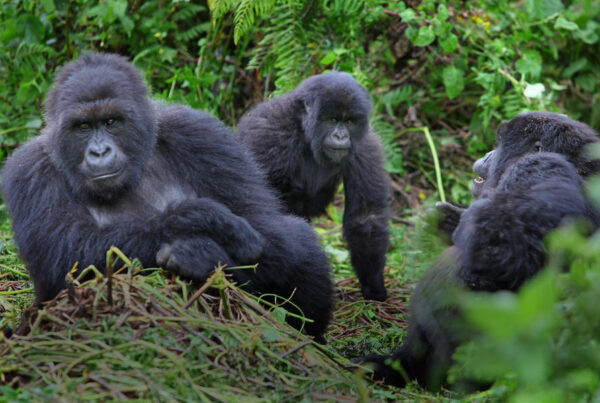
The anxiety that many parents feel about bringing teenagers on an African safari. Imagining a sullen adolescent staring at a phone while elephants congregate at a waterhole twenty meters away. Is understandable but largely unfounded in the experience of families who have actually made the trip. Teenagers consistently surprise their parents on safari, responding to the raw intensity of the African bush with genuine, un-performative enthusiasm that the managed, predictable stimulation of normal life rarely produces. The moment a sixteen-year-old watches a lion pride make a kill at close range from the back of a game drive vehicle, or steps out of a vehicle for the first time on a guided bush walk with their heart rate elevated by genuine proximity to wild elephant, or sits in silence in a forest clearing with a habituated mountain gorilla family three meters away. These are experiences that pierce through teenage affect, impress themselves with full force. And create memories that adults who had the same experience at the same age consistently describe as foundational to how they understand the natural world and their relationship to it. The challenge is not whether Africa will engage a teenager. The challenge is identifying the specific activities, formats. And destinations that match a particular teenager’s interests and personality well enough that the engagement begins before the first wildlife encounter rather than having to be won on the first morning of the trip.
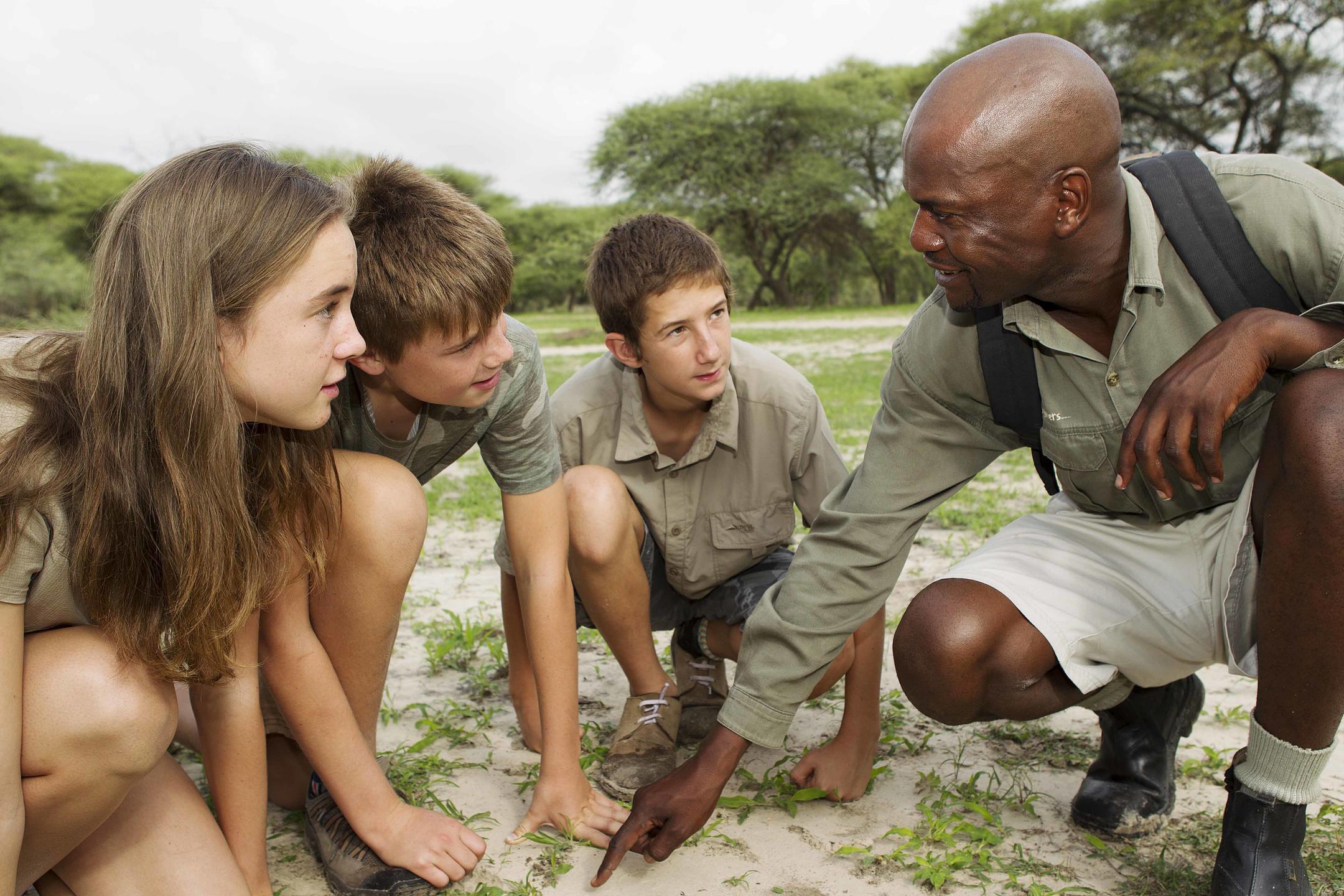
Teenagers engage most deeply with experiences that offer genuine challenge, real consequence. And a sense that they are being treated as capable individuals rather than passive recipients of adult-planned activities. The African bush, managed well through appropriate activity selection, delivers all three of these engagement triggers in abundance. A guided wilderness walk where the teenager’s behavior genuinely affects whether a dangerous animal situation develops or resolves creates a sense of real consequence that no simulator or adventure park can manufacture. A tracking exercise with a professional guide where the teenager actively reads spoor, identifies species. And estimates the time elapsed since passage creates the challenge of genuine field skill application. A conservation volunteer afternoon building predator-proof enclosures for a community livestock project in Zimbabwe creates real connection to the communities whose relationship with wildlife determines conservation outcomes. And most teenagers who engage with this context come away with a sophisticated understanding of conservation economics that many adults never develop. These are the activity formats that make African safari with teenagers not merely tolerable but genuinely transformative.
Activities That Actually Engage Teenagers
Active and Educational Safari Experiences
Walking Safaris for Teenagers
Guided bush walks with a professional armed ranger are the single most powerful teenager engagement tool in the African safari format. Because they simultaneously engage the physical, intellectual. And emotional dimensions that define teenage experience at its most absorbing. Most safari lodges accept teenagers aged twelve and above on standard guided walks in dangerous game areas. Some require a minimum age of fourteen or sixteen for walks in specific high-risk environments such as areas with dense elephant and lion activity. And the preparation conversation with the guide before the walk begins creates an immediate sense of serious purpose that teenagers respond to more readily than they might respond to a simple briefing before a vehicle drive. Understanding that you are about to enter an environment where your behavior genuinely matters. Where silence and observation are functional requirements rather than polite conventions. And where the guide is making real-time decisions based on animal behavior and wind direction that could directly affect your safety. This understanding creates an attentive, focused, and genuinely curious teenager who is a completely different presence in the bush from the same individual sprawled in the back of a vehicle scrolling through downloaded content on a device with no signal.
The ecological teaching that professional guides deliver on walks. Explaining the relationship between tree species and soil chemistry, demonstrating how animal tracks encode behavioral information that rangers use for monitoring, identifying medicinal plants used in traditional communities adjacent to the park, explaining the ecological role of dung beetles in nutrient cycling. Lands differently with teenagers than with adults precisely because teenagers are at a developmental stage where genuine intellectual curiosity about how systems work is often stronger than at any subsequent life stage, if the right delivery format is found. A guide who treats a curious fifteen-year-old as someone worth engaging seriously. Answering follow-up questions in full, inviting them to attempt track identification before revealing the answer, explaining the evolutionary pressures that shaped a specific behavioral adaptation. Typically produces a level of sustained intellectual engagement from that teenager that the same teenager’s teachers rarely see in a classroom environment. This is not an accident of personality. It is a function of the context being genuinely compelling and the guide’s professional instinct toward authentic engagement rather than didactic instruction.
Conservation Activities and Volunteer Experiences
Structured conservation activities available to teenage guests at certain safari lodges and conservation organizations create engagement through contribution that is qualitatively different from observation-based wildlife experiences. And teenagers who identify as environmentally conscious, scientifically curious, or justice-oriented often find these activities the most personally meaningful component of their entire Africa trip. Ol Pejeta Conservancy in Kenya’s Laikipia offers teenage guests the opportunity to participate in rhino monitoring exercises with the conservancy’s research team. Recording individual identification data, collecting GPS coordinates for population mapping. And learning the methodology of wildlife population monitoring that forms the evidence base for conservation management decisions. The conservancy also runs structured community engagement visits to the community health centers and schools that Ol Pejeta’s tourism revenue funds, creating direct connection between the expensive lodge bed your family occupies and the specific community outcomes that make wildlife conservation financially viable in the landscape surrounding it.
Photography-focused teenagers can engage with wildlife encounters on a completely different level when guides provide appropriate photographic guidance that treats their camera use as a genuine skill-building exercise rather than a holiday snapshot activity. Several safari lodges including those operating in the Sabi Sand and in Kenya’s Masai Mara ecosystem offer dedicated photographic game drives with a specialist photography guide who teaches field skills including exposure management in challenging light, behavioral anticipation for decisive moment capture. And composition principles specific to wildlife photography from a moving vehicle. A teenager who returns from Africa with a portfolio of technically competent and emotionally resonant wildlife photographs they produced themselves. And who can explain the technique behind each image, has gained a skill, an eye. And a confidence in their own capability that extends far beyond the Africa trip itself. Safari photography is one of the most consistent teenager engagement tools across all photographic ability levels. Because the subject matter is inherently captivating and the improvement curve is steep enough to deliver visible progress within a single multi-day safari.
Best Destinations for Teenage Safari Travelers
Where Teen Experiences Are Best
East Africa for Scale, Drama, and Cultural Richness
East Africa — Kenya and Tanzania specifically — offers the combination of dramatic landscape, iconic wildlife concentration. And accessible cultural interaction that most strongly captures teenage imagination, partly because the Serengeti-Mara ecosystem and its associated wildebeest migration represent the most widely recognizable African safari imagery that most teenagers have encountered through documentaries, school geography, and social media before they arrive. The scale of East African safari landscapes. Open horizons in all directions, the sky occupying two-thirds of your visual field, the Mara River crossing events involving tens of thousands of wildebeest. Has a physical impact on teenagers accustomed to urban and suburban environments that is difficult to overstate. Standing on a kopje above the Serengeti at sunrise watching the plain extend to every horizon while a cheetah family begins its morning hunt on the grass below creates a sense of geographic scale that rewires spatial perception in ways that teenagers describe unprompted as among the most powerful physical experiences of their lives to that point.
Cultural exchange opportunities with Maasai communities adjacent to Kenya’s Mara conservancies. Visiting a boma, understanding the historical conflict between pastoralism and wildlife protection and its contemporary resolution through community conservancy models, watching traditional jumping ceremonies that have specific cultural significance within the age-grade systems of Maasai society. Engage socially curious and justice-oriented teenagers in ways that pure wildlife observation does not. The Maasai’s relationship with land, wildlife, and cultural identity in the context of global tourism and conservation economics is a sophisticated and contested topic that teenagers with any interest in social justice, environmental ethics, or postcolonial history find genuinely absorbing, and a guide who can facilitate this conversation intelligently. Drawing on their own community’s experience rather than presenting a tourist-board version of cultural encounter. Creates an educational experience that has no classroom equivalent.
Plan Your Safari
African Wild Trekkers designs teenager-specific safari itineraries that go beyond the standard family format to include the walking activities, conservation interactions, photography guides. And cultural engagement opportunities that create the level of challenge and genuine involvement that teenage travelers need to be fully present and genuinely affected by their Africa experience. We consult with parents about their specific teenager’s interests. Whether science, conservation, photography, culture, adventure sport, or simply wildlife. And build the activity selection around those interests rather than defaulting to a one-size family template.
We also advise on the specific lodges and guides across our network who excel at engaging teenage guests. Whose natural teaching instinct, patience with adolescent personalities. And genuine enthusiasm for sharing their knowledge create the right relational dynamic for a teenager to open up to what Africa has to offer. Not every exceptional wildlife guide is equally skilled at engaging a fourteen-year-old. Finding the ones who are is part of what makes planning a teenager’s first African safari a design challenge that rewards specialist knowledge.
Contact African Wild Trekkers at africanwildtrekkers.com/contact with your teenager’s age and interests and your preferred destination and we will design a safari itinerary that gives them the African experience they will still be talking about twenty years from now, within 24 hours.