Choosing the Right Maasai Mara Camp
The Factors That Actually Determine Safari Quality
Location: National Reserve Versus Conservancy
The single most important decision when choosing a Maasai Mara camp is location inside the reserve or in a conservancy. Each option shapes your safari experience, wildlife encounters, and overall comfort in very different ways. The Maasai Mara National Reserve covers 1,510 square kilometers of core ecosystem.
It requires Kenya Wildlife Service fees and allows unlimited vehicles at wildlife sightings. During migration season, popular river crossings can attract more than twenty vehicles. This crowding often reduces the sense of exclusivity and calm during key sightings.
Private conservancies sit along the reserve’s northern, western, and eastern borders. They charge separate conservancy fees and limit the number of vehicles per area. Only guests from selected camps can access these controlled wildlife zones. This system creates quieter sightings and more intimate wildlife encounters.
At a cheetah hunt or lion sighting, no vehicle congestion disrupts the moment. There are no exhaust fumes or competing engines blocking photography or observation. This exclusivity significantly improves both wildlife viewing and photographic quality.
How Conservancies Change the Safari Experience
Conservancies allow off-road driving for better wildlife positioning and photography angles. Guides can leave tracks and approach animals more carefully and precisely. Night drives reveal nocturnal species not seen during daytime game drives.
These include aardvarks, civets, servals, and bush babies in natural activity. Walking safaris with armed rangers offer a ground-level ecosystem perspective. The national reserve does not allow night drives or walking safaris.
For photographers and wildlife enthusiasts, conservancies deliver a more immersive experience. They also charge higher rates than comparable national reserve camps.
Guiding Quality: The Most Underrated Factor
A skilled guide at a mid-range camp often outperforms a weak luxury guide. Most travelers focus on tents and facilities instead of the guide experience. Top Maasai Mara guides hold KPSGA Silver or Gold certification. They also build deep knowledge of specific territories and resident animals. Experienced guides recognize individual lions, cheetahs, and other key wildlife groups.
They predict animal behavior and position vehicles before major action occurs. Strong guiding transforms a safari from simple viewing into interpretation and storytelling. It creates a deeper understanding of wildlife behavior and ecosystem dynamics.
Ask operators about guide tenure and camp-based assignments before booking. Check if the same guide stays with guests throughout the entire stay. Also confirm maximum guest numbers per safari vehicle.
Vehicle and Activity Configuration
Safari vehicles in the Maasai Mara vary significantly between camps. Some camps use open-sided 4×4 vehicles designed for photography and visibility.
Others use closed minibuses that reduce cost but limit viewing quality. Open vehicles allow standing shots and elevated photography angles. This improves images of lions, cheetahs, and other ground-level wildlife.
Photographic camps add features like beanbags, charging points, and camera mounts. These details significantly improve field photography performance and comfort. Activity variety also shapes the overall safari experience. Camps offering only game drives quickly repeat the same routes. Camps with walking safaris, night drives, and bush breakfasts feel more dynamic. Varied activities create different perspectives on the same landscape.
Accommodation Standards and Honest Expectations
What Luxury Means in a Bush Camp
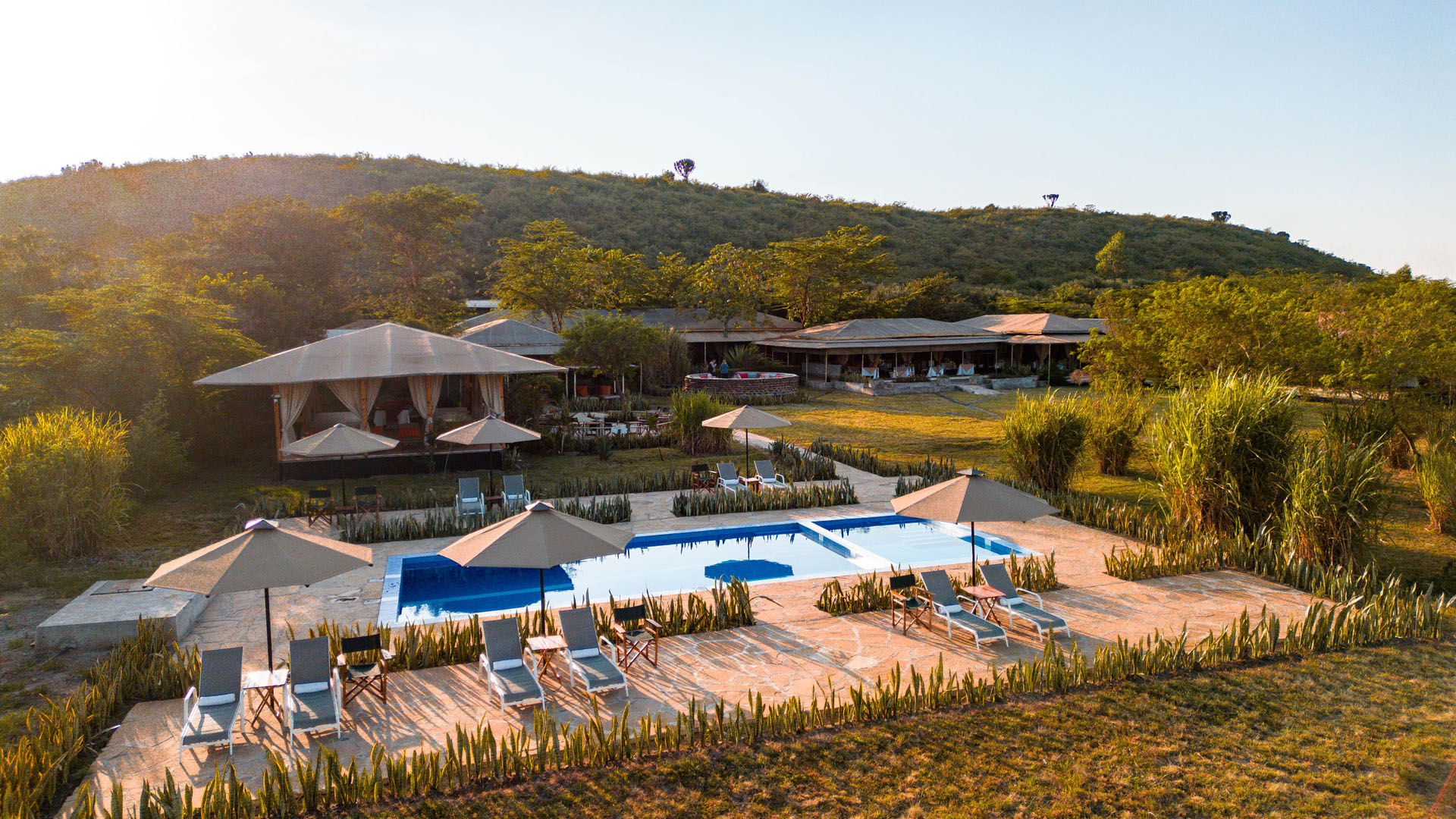
Luxury in the Mara differs from luxury in urban hotels. It focuses on service quality, guiding depth, and camp atmosphere. Top luxury camps include Angama Mara, Mahali Mzuri, and Governors’ Il Moran. They combine strong design, excellent food, and highly trained staff.
These camps charge between USD 900 and USD 2,000 per person per night. Mid-range camps cost USD 400 to USD 800 per person per night. Budget camps range from USD 150 to USD 350 per person per night. They usually include shared vehicles and limited activity options. Luxury in the bush depends more on experience than physical infrastructure. Service consistency and guide expertise define true high-end safari value.
Booking Direct Versus Using an Operator
Booking directly works best for simple single-camp itineraries. It requires clear knowledge of what camp and experience you want. Multi-destination safaris benefit more from using a specialist operator. Operators manage logistics, flights, park fees, and camp coordination.
They also provide updated knowledge on guides and wildlife conditions. This reduces planning errors and improves overall safari efficiency. Operator pricing often matches direct booking rates due to contracted agreements. This removes the assumption that direct booking is always cheaper. Operators also handle issues during travel and adjust plans when needed. This support adds value for first-time visitors to Kenya.
Practical Booking Information
When to Book and What to Ask
Peak season in the Maasai Mara runs from July to October. Top camps often sell out 12 to 18 months in advance. August and September experience the highest demand and strongest migration activity. These months require the earliest booking timelines for availability.
Shoulder months like June and November offer better availability and lower rates. Wildlife viewing remains strong throughout the year, especially for predators. Small date shifts can significantly improve both price and availability. Late July often delivers migration arrivals at lower peak pricing.
Plan Your Safari
Choosing a Maasai Mara camp requires matching location, budget, and safari style. Conservancies offer exclusivity, while the reserve provides broader migration access. African Wild Trekkers uses local knowledge to match travelers with the right camps. They assess guiding quality, wildlife patterns, and seasonal conditions before booking. This approach ensures better value and more rewarding safari experiences.
Contact African Wild Trekkers at africanwildtrekkers.com/contact with your travel dates, group size, and budget, and we will recommend the best Maasai Mara camp for your safari within 24 hours.