Ngorongoro Conservation Area: More Than Just the Crater — What Else to See
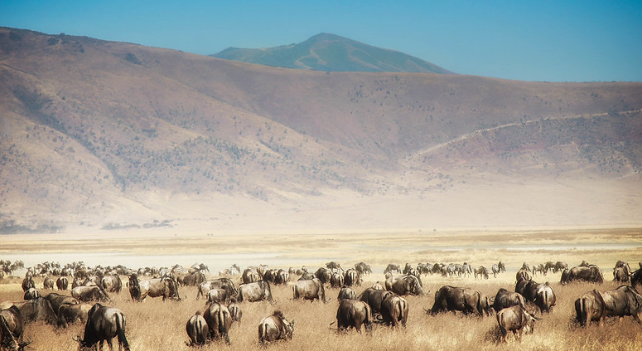
The Ngorongoro Crater deserves every word of its reputation. But the Ngorongoro Conservation Area surrounding the crater extends across 8,292 square kilometres of diverse highland terrain. Most of what it contains beyond the twelve-kilometre caldera remains unknown to the majority of Tanzania safari visitors. Standard itineraries spend one or two nights on the rim before driving to the Serengeti. This guide reveals what the broader conservation area holds and makes the case for why two or three nights in the NCA — rather than the standard single crater descent — delivers one of Tanzania’s most rewarding multi-dimensional experiences.
The Conservation Area Beyond the Crater
Olduvai Gorge: The Cradle of Humankind
What Olduvai Gorge Is and Why It Matters
Olduvai Gorge lies within the Ngorongoro Conservation Area approximately forty-five minutes’ drive from the main Serengeti road. It is one of the most important paleoanthropological sites in the world. The gorge’s eroding sediment layers have yielded fossil evidence of human ancestor species spanning nearly two million years — from Australopithecus boisei (Nutcracker Man, discovered by Mary Leakey in 1959) through Homo habilis and Homo erectus to anatomically modern human remains in the upper sediment layers. The fossil sequence at Olduvai created the foundational evidence for the Out of Africa theory of human evolution and established East Africa as the evolutionary homeland of our species.
The Olduvai site museum and guided gorge walk deliver this extraordinary scientific story in a way that engaged visitors consistently describe as a highlight of their entire Africa experience. Standing above a sediment sequence containing physical evidence of human evolution, with the Serengeti plains visible in the distance beyond the gorge’s edge, creates a sense of time depth that no wildlife sighting can replicate. The guide explains which fossil layer corresponds to which species, how the dating is established, and what the landscape looked like at each evolutionary stage two million years ago. African Wild Trekkers includes an Olduvai Gorge visit in all northern circuit itineraries crossing the NCA, ensuring clients have at least thirty to sixty minutes at the site with a full guide briefing.
The Laetoli Footprints Connection
Forty-five kilometres south of Olduvai Gorge, the Laetoli site within the broader NCA holds the oldest known hominin footprints in the world. Mary Leakey’s team discovered them in 1978, preserved in volcanic ash approximately 3.6 million years old. Australopithecus afarensis individuals — the same species as the famous Lucy fossil from Ethiopia — walked upright on two legs across wet ash that hardened and preserved their tracks under subsequent ash layers. The footprints now have protective covering and are not open to general tourist viewing, but their existence in the NCA places this site among the most scientifically significant landscapes on earth. The nearby Laetoli interpretive centre explains the discovery’s significance for any visitor with an interest in human prehistory.
The combination of Laetoli’s 3.6-million-year-old footprints, Olduvai’s 1.8-million-year fossil sequence, and the Ngorongoro Crater’s contemporary wildlife — all within the same conservation area — makes the NCA a genuinely multi-era destination. Visitors can walk where hominin ancestors walked 3.6 million years ago, hold a replica of a tool made 1.8 million years ago, and then watch the living successors of the Pleistocene megafauna — the elephant, the lion, the hippo — from a vehicle on the crater floor, all within the same two-day visit. African Wild Trekkers frames the NCA’s full content for clients who want to understand the area’s depth beyond the wildlife spectacle the crater delivers.
The Empakai and Olmoti Craters
Hiking in the NCA’s Secondary Volcanic Features
Empakai Crater: A Flamingo Lake in a Caldera
The Empakai Crater is a smaller volcanic caldera in the northeast of the Ngorongoro Conservation Area. A road through Maasai highland grazing land, approximately one hour from the main Ngorongoro rim area, provides the only access. The crater’s floor holds a deep lake — the bluest and most optically clear of any Rift Valley lake — with flamingo populations feeding at its alkaline margins and a forest of highland trees descending the caldera’s inner wall to the water’s edge. A guided walk descending into Empakai to the lake shore takes approximately two hours round trip. It delivers a completely different landscape experience from the Ngorongoro Crater — enclosed, forested, and intimate, with the flamingo sound carrying up from the lake’s surface as you descend through highland cedar forest.
Empakai is one of the NCA’s least-visited attractions. The absence of other vehicles and visitors on the access road and on the walk creates a solitude that contrasts sharply with the Ngorongoro Crater’s busy game drive scene. Armed park rangers based at the Empakai ranger station officially guide all walks, and the route passes through prime buffalo country. The highland forest around the crater rim holds a significant buffalo population, making the armed escort both a practical and a regulatory requirement. Cape buffalo encounters on foot at Empakai are possible and require the calm, controlled response that the ranger briefing before the walk prepares visitors for. African Wild Trekkers includes Empakai as an optional NCA extension in itineraries with sufficient time for an additional half-day.
Olmoti Crater and the Munge River Walk
Olmoti Crater sits on the main NCA road between Ngorongoro and the Serengeti entrance. It is a shallow grassy caldera that forms the source of the Munge River, a stream that flows from the crater floor down through the Ngorongoro highlands. A guided walk into the Olmoti Crater and along the Munge River to a small waterfall takes approximately two to three hours. The walk delivers highland birding, possible serval and reedbuck sightings in the open crater grassland, and views of the caldera interior that the road does not provide. The crater’s grassland falls under Maasai cattle grazing rights, and passing a Maasai herder in the highland mist creates an image of cultural and landscape fusion unique to the NCA.
The Olmoti walk requires the same armed ranger escort as Empakai. The highland NCA holds a substantial buffalo population, and morning walks occasionally produce herd encounters that require careful guide positioning. Rangers who know the Olmoti terrain manage these encounters confidently, and the safety record of guided walks within the NCA reflects the professional standard of the ranger escort system. African Wild Trekkers coordinates ranger bookings for all NCA walking activities as part of the booking process, ensuring access is confirmed before client arrival rather than depending on on-the-day availability.
Maasai Culture in the Ngorongoro Conservation Area
The Human Element of the NCA
The Maasai and the NCA’s Unique Co-Existence
The Ngorongoro Conservation Area is the only national park or reserve in Tanzania where human habitation is permitted. Approximately 100,000 Maasai pastoralists live within the conservation area’s boundaries alongside the wildlife, practising traditional cattle herding on highland grasslands shared with zebra, wildebeest, buffalo, and predators. This co-existence results from a specific agreement made when the NCA was established in 1959. The Maasai, who occupied the crater and surrounding highlands before the colonial designation, moved off the crater floor but remained in the broader conservation area under a shared-use arrangement that has evolved — and been contested — over the decades since.
A Maasai cultural village visit within the NCA delivers insight into the pastoral lifestyle that has coexisted with wildlife for generations. The visit typically includes a warrior dance demonstration, an explanation of the Maasai age-set system and its social role, a walk through a traditional boma, and time with the Maasai women who produce the distinctive beadwork jewellery representing both cultural tradition and significant tourism income. These visits work best when small groups of four to eight people interact with genuine community members rather than a staged performance. African Wild Trekkers selects Maasai village partnerships that deliver authentic rather than performative cultural encounters.
Plan Your Safari
The Ngorongoro Conservation Area contains enough content for three to four days of diverse activity — crater descent, Olduvai Gorge, Empakai walk, Maasai cultural visit, and highland game drives between attractions. African Wild Trekkers builds NCA itineraries of the appropriate length for each client’s interests, from the standard single crater descent within a five-day northern circuit to a dedicated two-to-three night NCA exploration that treats the conservation area as a destination in its own right rather than a waypoint.
Every NCA booking from African Wild Trekkers includes confirmed crater descent logistics, Olduvai Gorge timing coordination, ranger bookings for any walking activities, and Maasai cultural visit arrangements where requested. The conservation area fees and crater service fee are included in the package cost and itemised in the booking confirmation. The team confirms all reservations in writing before any deposit is requested and advises on the optimal itinerary structure for the number of NCA nights available.
Contact African Wild Trekkers at africanwildtrekkers.com/contact with your Tanzania travel dates and NCA interest and we will build a personalised itinerary covering the crater and the conservation area’s full range of experiences within 24 hours.