Pangolin Conservation Africa: Protecting the World’s Most Trafficked Mammal
Pangolin conservation in Africa focuses on protecting one of the world’s most unique and threatened mammals. Often called the “scaly anteater,” the pangolin is known for its protective scales, shy nature, and important role in maintaining healthy ecosystems.
Africa is home to four pangolin species, including the ground pangolin, tree pangolin, giant pangolin, and white-bellied pangolin. These remarkable animals face serious threats from illegal wildlife trade, habitat loss, and human activities.
Conservation efforts across Africa aim to protect pangolins, preserve their habitats, and increase awareness about their importance in nature.
What Makes Pangolins Special?
Pangolins are unlike any other mammals on Earth. Their bodies are covered with tough keratin scales that protect them from predators. When threatened, a pangolin curls into a tight ball, using its scales as armor.
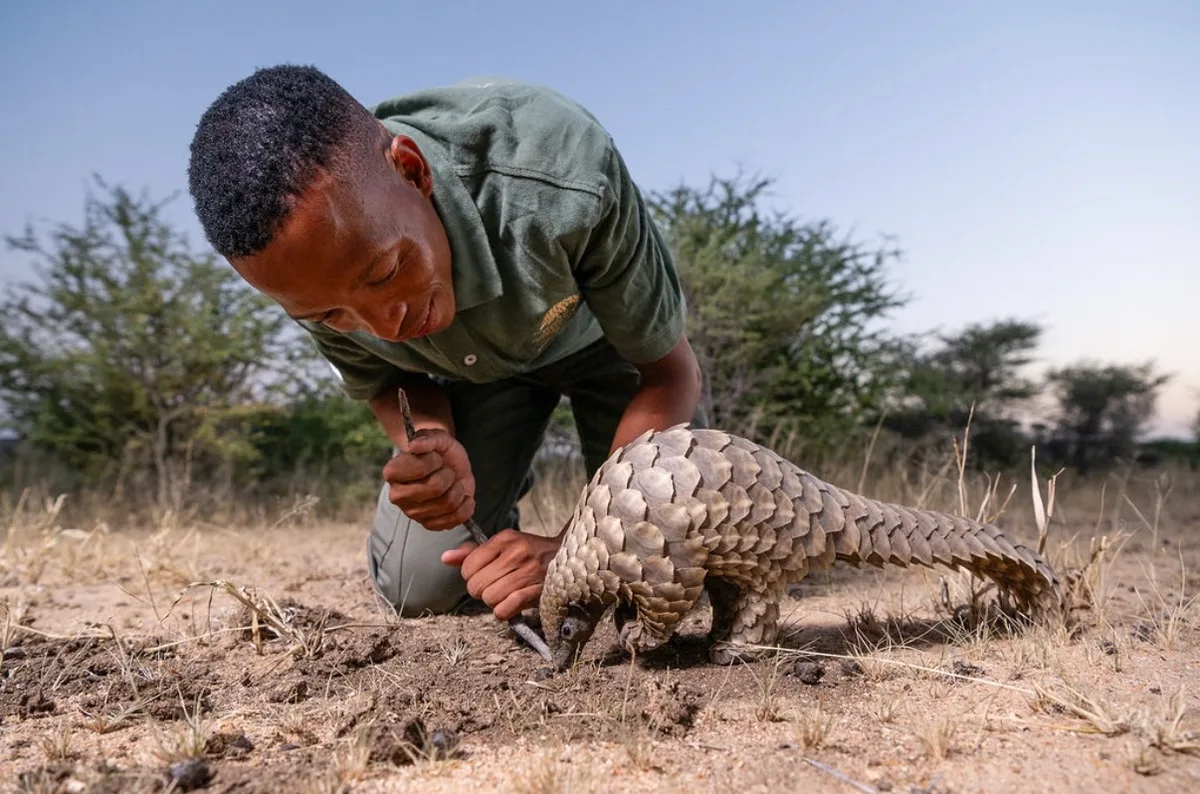
They have long claws for digging, powerful tails for balance, and long sticky tongues that help them collect ants and termites. Although they look similar to reptiles, pangolins are mammals. They give birth to live young and care for their babies like other mammals.
Pangolin Species Found in Africa
Africa has four native pangolin species, each adapted to different environments. The ground pangolin is the largest African species and spends most of its time on the ground. It uses its strong claws to dig for ants and termites.
The tree pangolin is an excellent climber. It uses its strong tail to move through forest branches while searching for food. The giant pangolin is the largest pangolin species in the world. It lives mainly in forests and grasslands across parts of Central and West Africa.
The white-bellied pangolin is one of the smallest species and is commonly found in African forests.
Why Are Pangolins Endangered?
Pangolins face some of the highest levels of wildlife trafficking in the world. Their scales are illegally traded because of false beliefs about their medicinal value. Their meat is also considered a luxury food in some markets, creating additional pressure on wild populations.
Habitat destruction caused by farming, deforestation, and expanding human settlements has reduced the areas where pangolins can survive. Because pangolins reproduce slowly, their populations struggle to recover after major losses.
The Role of Pangolins in African Ecosystems
Pangolins play an important role as natural pest controllers. They feed mainly on ants and termites, helping regulate insect populations.
Their digging activities also improve soil health by turning and aerating the ground. This process helps nutrients move through ecosystems and supports plant growth. Protecting pangolins contributes to the health of entire landscapes.
Pangolin Conservation Efforts in Africa
Conservation organizations across Africa are working to protect pangolins through research, rescue programs, habitat protection, and community education. Wildlife authorities work to stop illegal trafficking by strengthening law enforcement and protecting important habitats.
Rescue centers provide care for confiscated pangolins before returning them to safe natural environments when possible.
The Importance of Community Awareness
Local communities are essential partners in pangolin conservation. Education programs help people understand the ecological value of pangolins and the threats they face.
Conservation projects also create opportunities for communities to benefit from protecting wildlife through employment, research support, and responsible tourism. When people understand the importance of pangolins, they become stronger protectors of these rare animals.
Protecting Pangolin Habitats
Pangolins need safe habitats where they can find food, shelter, and breeding areas. Protecting forests, savannahs, and grasslands helps many other species survive alongside them.
National parks and wildlife reserves provide important protection, but connected habitats outside protected areas are also necessary. Conservation planning focuses on creating safe environments where pangolins can continue their natural behaviors.
Pangolin Rescue and Rehabilitation
Rescue centers play an important role in saving pangolins affected by illegal trade. Specialists provide medical care, nutrition, and rehabilitation before releasing animals back into the wild.
Each rescued pangolin represents hope for protecting these unique mammals. Successful rehabilitation requires careful monitoring because pangolins have specialized diets and behaviors.
Best Places to Learn About Pangolin Conservation in Africa
Several African countries support pangolin conservation programs and wildlife research. South Africa, Uganda, Kenya, Tanzania, Botswana, and Zimbabwe are among the countries involved in protecting pangolin species.
Some wildlife centers and conservation organizations offer educational experiences where visitors can learn about pangolin protection. Responsible tourism can support these efforts by increasing awareness and funding conservation programs.
Why Pangolin Conservation Matters
Pangolins are a valuable part of Africa’s natural heritage. Their survival depends on protecting habitats, stopping illegal trade, and creating awareness about their importance.
Saving pangolins is not only about protecting one species. It is about preserving balanced ecosystems and protecting the incredible diversity of African wildlife.
Plan Your African Wildlife Conservation Experience
Learning about pangolin conservation offers a deeper understanding of Africa’s hidden wildlife treasures. These quiet and unique mammals remind us that every species has a role in nature.
By supporting responsible tourism and conservation efforts, travelers can help protect pangolins and the ecosystems they call home.