Rwanda Sustainable Safari: The Most Responsible Africa Safari
Rwanda is widely recognized as one of Africa’s most sustainably managed safari destinations. The country combines strong conservation policies, responsible tourism, and community-focused programs. Additionally, Rwanda maintains strict environmental standards and promotes eco-friendly travel practices.
High-value permits, sustainable lodges, and conservation investments support this approach. As a result, visitors can enjoy wildlife experiences while contributing to long-term protection efforts.
Sustainable safari goes beyond eco-lodge certifications and carbon offsets. It involves protecting wildlife, supporting local communities, and reducing environmental impacts. Therefore, responsible travel requires cooperation between governments, tourism operators, communities, and visitors.
Wildlife Management Standards
Rwanda’s gorilla trekking system follows strict conservation guidelines. Each gorilla family receives a maximum of eight visitors per day. This limit reduces stress and protects gorillas from excessive human contact.
Furthermore, visitors spend only one hour with each gorilla group. This rule helps reduce disease risks and protects gorilla health. Mountain gorillas can easily catch human respiratory illnesses. Therefore, Rwanda applies careful health measures during every trek.
Visitors must also maintain a safe distance from gorillas. Guides enforce these rules throughout the experience. These measures protect both wildlife and people while maintaining a high-quality encounter.
Akagera National Park also follows professional conservation standards. African Parks manages the park through careful wildlife monitoring and habitat protection. The successful return of lions and black rhinos shows the impact of this approach.
Additionally, wild dog conservation follows strict management practices. Experts monitor populations, habitats, and wildlife interactions. As a result, Akagera continues to recover as a healthy ecosystem.
Community Benefit Programs
Rwanda connects conservation success with community development. The Revenue Sharing Program directs 10 percent of park revenue toward nearby communities. These funds support projects such as schools, health facilities, and water systems.
Consequently, local communities receive direct benefits from protecting wildlife. This approach creates stronger support for national parks. It also helps people understand the economic value of conservation.
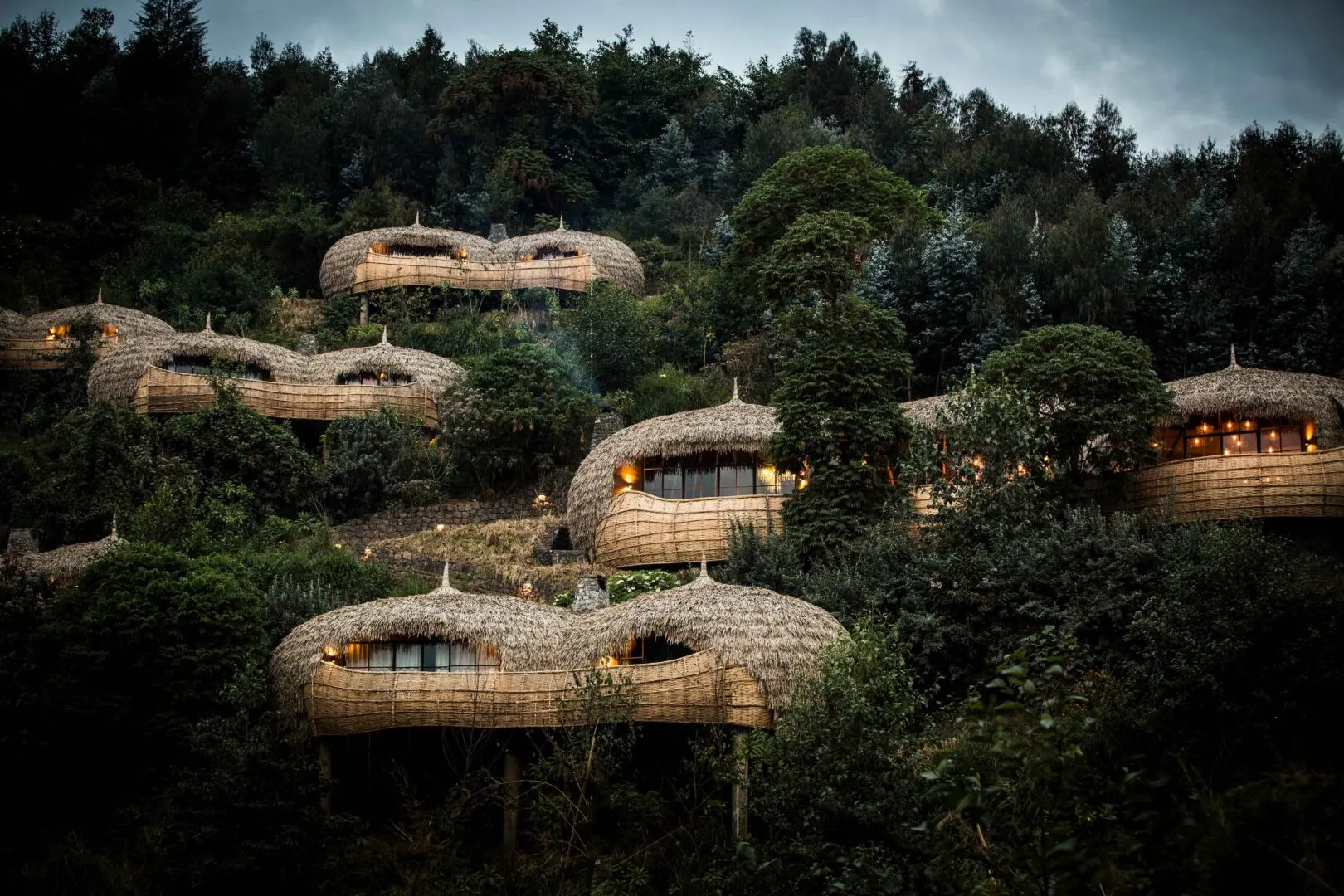
Many lodges also employ local residents. They provide jobs in hospitality, guiding, and management roles. Therefore, tourism creates income opportunities for communities near protected areas.
Responsible lodges also support local suppliers and community projects. These efforts ensure that tourism benefits reach beyond the park boundaries.
Choosing Responsible Operators
Choosing the right safari operator is an important part of sustainable travel. Responsible companies explain how they support conservation and communities. They also work with ethical lodges and follow official permit procedures.
Visitors should avoid operators offering unusually low gorilla permit prices. Such offers may not support Rwanda’s official conservation system. Instead, travelers should choose companies that provide clear information about permits and tourism contributions.
Additionally, responsible operators promote respectful wildlife behavior. They encourage visitors to follow park rules and support local communities. These choices help protect Rwanda’s natural heritage.
Plan Your Rwanda Sustainable Safari
A sustainable Rwanda safari depends on thoughtful choices before and during your journey. Choose responsible operators, support local businesses, and respect conservation guidelines. These actions help create positive impacts for wildlife and communities.
Rwanda already provides a strong foundation for sustainable tourism. However, every visitor plays an important role in maintaining this success.
African Wild Trekkers designs Rwanda safari itineraries that support conservation and community development. Contact us to plan a responsible Rwanda safari that creates meaningful experiences while protecting the country’s incredible wildlife.