Safari Clothing Guide 2026: What to Pack and Wear on Safari
Dressing for the Bush: Why Safari Clothing Matters
Safari clothing does more than signal safari aesthetic. What you wear on game drives affects your comfort across a full day of temperature extremes. It affects your visibility to wildlife. It affects your safety in an environment where insects, thorns. And equatorial sun create conditions that ordinary travel clothing handles poorly. The pre-dawn cold of a Southern African June morning, the midday heat of a Tanzanian dry-season afternoon. And the mosquito-active hour around dusk all occur within the same day. They demand layerable clothing that transitions across those conditions without requiring a complete wardrobe change at the vehicle. Getting the clothing right before you leave home removes an entire category of discomfort from the safari experience. It lets you focus entirely on what is happening around you. Rather than on what you should have packed differently.
The safari clothing industry has expanded dramatically in recent years. A significant portion of what specialist safari retailers sell is overpriced, over-branded, and unnecessary. This is true for anyone who is not a professional field guide spending every day in the African bush. This guide separates the genuinely important principles from the marketing. It covers the specific clothing items and features that add real value on game drives and walking safaris. It explains what to leave at home to keep your bag light enough for the strict weight limits of bush flight transfers. Those transfers connect many East and Southern Africa safari camps.
Colors, Fabrics, and Key Features
What Colors and Materials Work in the Bush
The Color Rule: Why Neutral Matters
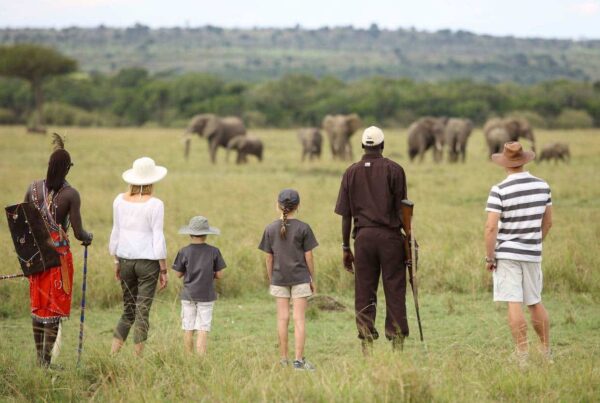
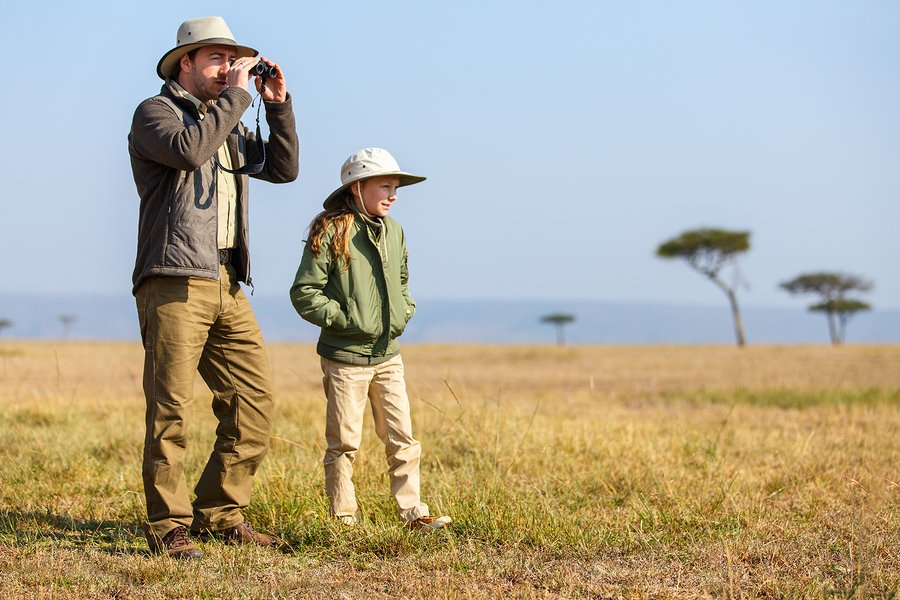
The single most important clothing principle for safari is color. Neutral earth tones — khaki, tan, olive, buff, brown, and sage green — are the only colors appropriate for game drive and walking safari clothing. These colors blend into the visual landscape of dry grass and woodland. They avoid triggering alarm responses that bright or contrasting colors can produce in wildlife. Game rangers and walking safari guides are particularly clear on this point. White and bright colors make the human figure conspicuous against the African bush backdrop. Habituated vehicle wildlife may tolerate this at close range — but walking wildlife may not. Walking wildlife encounters humans on the same footing as a potential predator. Many walking safari operators state a color requirement explicitly in their pre-departure briefing: neutral tones only, no white, no black, no bright patterns. Following this guidance before your departure means you arrive without having to borrow khaki from the camp. Or sit out walks while other guests participate.
Black and dark navy deserve special mention because they attract and absorb heat in Africa’s intense solar radiation. This makes dark clothing significantly more uncomfortable during midday than equivalent light-colored clothing. That is a practical disadvantage entirely separate from the wildlife visibility concern. Blue and black also attract tsetse flies in the woodland areas of East and Central Africa. This is particularly true in Zambia’s Luangwa Valley, Tanzania’s Selous, and Zimbabwe’s Mana Pools — where tsetse populations are highest. Light-colored clothing demonstrably reduces tsetse bite rates. The convergence of all these practical reasons. Wildlife visibility, heat absorption, insect attraction. Makes the argument for neutral light-colored safari clothing entirely functional rather than merely traditional. The functionality holds whether you are photographing lion on the Masai Mara or tracking elephant on foot in South Luangwa.
Fabrics: Lightweight, Quick-Dry, and Sun-Protective
Synthetic quick-dry fabrics — polyester or nylon blends specifically designed for outdoor use — outperform cotton in every practically relevant dimension for safari clothing. They dry faster after the brief wetting events that happen on walking safaris or during unexpected rain. They manage perspiration more effectively across the full safari temperature range. They pack smaller and lighter than equivalent cotton garments. This matters on the 15-to-20-kilogram total weight allowances that many bush flight operators apply. Technical outdoor fabrics with built-in UPF sun protection. UPF 30 or above. Provide adequate protection during the prime game drive hours around dawn and dusk. They eliminate the need to apply sunscreen on your arms and torso as frequently. They also reduce the damp, sticky discomfort that sunscreen combined with perspiration produces on skin during active walking in the heat. Merino wool garments deserve consideration for the early morning cold layer. Merino manages temperature effectively across a wide range. It resists odor across multiple days of wear without washing. It also packs extraordinarily light for its warmth-to-weight ratio.
Cotton clothing has one advantage on safari: it is comfortable in a way that many pure synthetic fabrics are not during prolonged seated game drive hours. This is particularly true in high humidity coastal safari areas like the Kenyan coast, Mozambique, and Tanzania’s Indian Ocean adjacent parks. A light cotton or cotton-blend shirt in these humid coastal destinations may be more comfortable than an equivalent synthetic during the warmest hours of the day. The quick-dry advantage of synthetics reasserts itself whenever a sea breeze drops or you move into the vehicle’s shade cover. A compromise — lightweight cotton-polyester blend shirts from brands like Rohan, Craghoppers, or Arcteryx — provides the comfort of cotton with sufficient synthetic content to improve drying speed and moisture management beyond pure cotton. Test your clothing choices before departure with a full day of outdoor activity. Confirm that they perform as expected before you commit to wearing them for ten days on safari with no alternative.
Essential Safari Clothing Items
The Core Packing List
Game Drive and Walking Safari Essentials
For a ten-to-fourteen day East or Southern Africa safari, the essential clothing items are as follows. Three to four long-sleeved safari shirts — neutral tones, quick-dry, UPF-rated. Two pairs of lightweight safari trousers. Zip-off legs are optional but useful for transitioning between morning cool and midday warm on long drives. One warmer layer for early mornings. A lightweight down jacket or a merino mid-layer that packs small and adds significant warmth in the first hour after pre-dawn departure. One waterproof shell jacket for wet season travel or high-altitude destinations. Three to four pairs of lightweight quick-dry trousers or shorts for camp use and afternoon rest periods. One wide-brim hat with chin strap for game drive and walking use. Where sun protection matters and a breeze can remove a brimless hat. Quality walking boots for any itinerary that includes walking safaris. The total clothing weight for a ten-day safari in this configuration runs around three to four kilograms. This sits well within personal item allowances of most scheduled flights. And the carry-on allowances of bush flights where overall luggage must meet operator-specific soft bag requirements.
Walking boots for safari deserve specific attention. Inadequate footwear causes more safari discomfort than any other equipment failure. It is also the hardest to correct in the field. Walking safari terrain — rocky bushveld, sandy riverbeds, thorny thicket. And sun-baked clay soils — requires boots with ankle support and thick enough soles to prevent thorn penetration. They also need enough break-in mileage before departure to avoid blisters on the first walk. Lightweight trail running shoes or low-cut hiking shoes are sometimes sufficient for short flat walks in well-managed terrain. But mid-height boots from reputable outdoor brands. Zamberlan, Lowa, Merrell, or similar. Provide meaningfully better protection and support for the three-to-five-kilometer walks that constitute a typical walking safari. Breaking in any new footwear with at least five to ten hours of similar terrain before the safari departure date eliminates the most predictable discomfort risk in the entire packing process.
What Not to Pack
The most important packing decision for many safari travelers is what to leave behind. The temptation to over-pack for a trip to one of the world’s most extraordinary destinations is understandable. And almost universal among first-timers. Formal clothing belongs at home. Even the most sophisticated safari lodge dining experience requires nothing more formal than clean casual wear. The lodge-branded fleece or jacket that most luxury lodges provide to guests covers any cool evening situation where layering is needed. Jeans are heavy, slow to dry, and hot in the midday sun. They add weight without adding any function that a pair of quick-dry safari trousers would not serve better. Excessive shoes — many first-timers pack four or five pairs for a ten-day safari — should reduce to a maximum of two. The walking or hiking boot covers game drives and any walking activities. A sandal or light camp shoe covers lodge and afternoon rest use. Every kilogram saved in the bag is a kilogram available for camera equipment, binoculars. And field guides that actively improve the safari experience.
Plan Your Safari
African Wild Trekkers sends every guest a detailed packing list tailored to their specific destinations, travel months, and activities. It covers not just clothing but every equipment and preparation item relevant to the exact type of safari they are taking. A guest heading to Zambia for a walking safari in September needs a different packing guide than a guest visiting the Masai Mara in a shared jeep in July. Our pre-departure briefing documents reflect those differences with destination-specific detail rather than generic safari packing advice.
We cover weight allowances for every bush flight transfer on your itinerary. We recommend specific brands and products based on field-tested performance rather than marketing. We flag the seasonal clothing considerations. Wet season rain gear, cold-season thermal layers, high-altitude down requirements. That generic packing lists consistently overlook.
Contact African Wild Trekkers at africanwildtrekkers.com/contact with your destination and travel dates and we will include a complete destination-specific packing guide alongside your itinerary design within 24 hours.