Serengeti Migration Camps: Seasonal Mobile Camps That Follow the Wildebeest
Migration camps are one of the Serengeti’s most distinctive accommodation concepts: lightweight, semi-permanent or fully mobile tented camps that establish in a specific park section for a limited season and then pack down and relocate as the wildebeest migration moves to a new area. Rather than staying in one location year-round and hoping the migration passes by, a migration camp follows the wildebeest — positioning itself in the calving grounds in January, the long grass plains in April, the western corridor during the river crossings in May, and the northern Mara River area in August. This guide explains how migration camps work, what they offer, and how they compare to permanent camps for a migration-focused safari.
How Migration Camps Work
The Moving Camp Concept
Types of Migration Camp
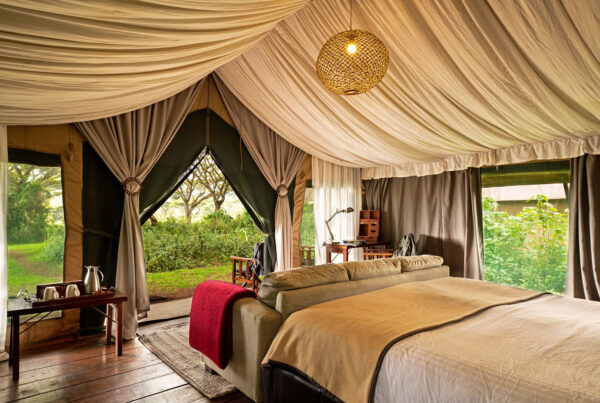
Migration camps in the Serengeti range from fully mobile operations that pack down entirely between seasonal relocations to semi-permanent camps that establish fixed infrastructure at each seasonal site for the duration of the season before relocating. Fully mobile camps use individual tents, portable dining structures, and temporary ablution facilities assembled by a specialist crew that moves with the camp. Semi-permanent migration camps establish more solid tent platforms, permanent ablution blocks, and fixed dining rooms at each seasonal site, removing these between seasons using cranes and specialist dismantling teams. The level of comfort at each tier differs significantly: fully mobile camps deliver an experience closer to glamping than to a permanent lodge, while semi-permanent migration camps provide comfort levels comparable to quality mid-range permanent tented camps.
The advantage of a migration camp over a fixed location is straightforward: you are positioned where the migration is rather than where the permanent camp happens to be. A fixed camp in the northern Serengeti is excellent in August at the height of the river crossings and considerably quieter in February when the wildebeest are two hundred kilometres south at Ndutu. A migration camp that establishes in the north in July and August and at Ndutu in January and February is optimally positioned at both seasons without compromising on either. For travellers who structure their Tanzania visit specifically around the migration, a migration camp removes the uncertainty about whether the migration has arrived in the camp’s location by the time of visit.
What a Migration Camp Includes
The best Serengeti migration camps operate as fully inclusive properties: full board meals prepared by a dedicated camp chef, game drives in private vehicles with allocated guides, morning and evening activities timed to wildlife patterns, and a level of personal service that reflects the intimate guest numbers most migration camps maintain. The typical migration camp accommodates six to twelve guests, which means that the guide team and the kitchen team service a guest list small enough that individual preferences are known and applied automatically after the first meal. The intimate scale creates a camp community dynamic that larger permanent properties cannot replicate — sharing a migration sighting report over dinner with five other guests who all watched the same crossing from the same bank creates a quality of shared experience that a forty-room lodge’s dinner service distributes across too many tables to feel.
Some migration camps include specific migration-focused activities beyond the standard game drive — guided walks to the river crossing observation points, small boat excursions on seasonal flood channels during the wet season, and astronomy sessions on clear nights when the camp’s remote position eliminates any artificial light. African Wild Trekkers evaluates migration camps on the quality of their guides and their specific positioning in each season before recommending them to clients, since the key promise of a migration camp — being in the right place at the right time — only delivers value if the camp’s seasonal positioning schedule accurately ties to actual migration movement rather than to an optimistic average calendar.
The Best Migration Camps in the Serengeti
Established Migration Camp Operations
Northern Mara River Migration Camps
The northern Serengeti’s Mara River crossing zone from July through September hosts several of the best-established migration camps, positioned on the Tanzania side of the river to access crossings from the southern bank. These camps establish in the Kogatende and Lamai areas of the northern Serengeti in June and operate through September or October before relocating for the calving season. The best northern migration camps in 2026 run USD 700 to USD 1,200 per person per night fully inclusive — a price that reflects the peak crossing season demand and the camp’s temporary infrastructure investment. The camps’ small size means they fill months in advance for the July-September window, and July or August stays should be booked at minimum twelve months ahead.
The advantage of a northern migration camp over a fixed northern lodge during the crossing season is the camp’s ability to relocate its morning game drive vehicle departure point each day based on where the herd concentrated the previous evening. A fixed lodge sends vehicles from the same location every morning regardless of where the migration has moved overnight. A skilled migration camp guide repositions the camp or at minimum adjusts the morning routing based on where the herd crossed the previous night and where scouts report the next concentration is building. This ability to adapt to the migration’s daily movement is the core value proposition of the migration camp concept over fixed permanent accommodation.
Southern Serengeti and Ndutu Calving Season Camps
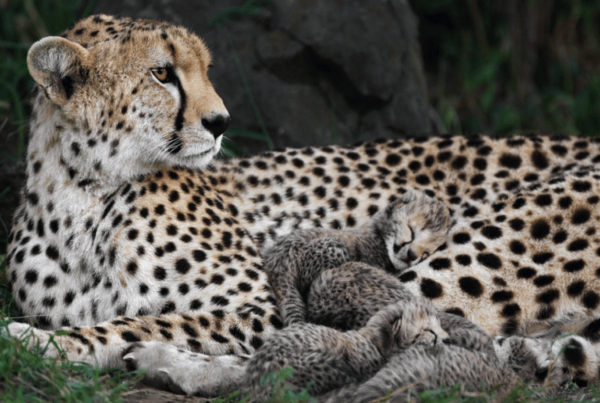
Several migration camp operators establish at the Ndutu area for the January-March calving season, positioning clients in the short grass plains where calving concentrations are highest and predator hunting activity is at its annual peak. Calving season migration camps in the Ndutu area run USD 500 to USD 800 per person per night, reflecting both the calving season’s shoulder-season pricing advantage and the somewhat simpler infrastructure requirements of a temporary camp on the short grass plains compared to the river-corridor northern camps. The calving season camps typically include morning and afternoon game drives on the calving plain, with the guide team having spent the previous day’s afternoon scout locating specific cheetah families, lion prides, and calving clusters that will be the next morning’s focus.
Combining a calving season migration camp at Ndutu with a fixed camp at the Ngorongoro Crater rim creates one of Tanzania’s finest January-March itineraries: three nights following the calving drama on the Ndutu Plains and two nights with the crater’s concentrated wildlife from a fixed rim property, delivering both the calving season’s open-plain intensity and the crater’s enclosed wildlife spectacle within a five-night circuit. African Wild Trekkers builds this January-March circuit specifically for travellers who understand that the calving season is the year’s best safari window and want to extract the maximum from it through intelligent camp selection and seasonal positioning.
Plan Your Safari
Serengeti migration camps deliver a wildlife experience directly tied to being in the right park section at the right time, and their value depends entirely on the camp operator’s accuracy in following the migration rather than merely marketing a static location as a “migration camp.” African Wild Trekkers evaluates each migration camp’s seasonal positioning record before recommending it to clients, and the team knows which operators genuinely follow the migration and which position their camps based on convenience rather than wildlife movement patterns.
Every migration camp booking includes confirmed written reservations before any deposit discussion begins, a seasonal positioning assessment based on the current year’s migration calendar, and guide quality confirmation. The team advises on whether a migration camp or a fixed permanent camp better suits each client’s travel dates based on where the migration is positioned during the specific visit window. Not every travel date benefits from a migration camp over a well-positioned fixed camp, and African Wild Trekkers makes this recommendation honestly.
Contact African Wild Trekkers at africanwildtrekkers.com/contact with your Tanzania travel dates and migration interest and we will advise on the optimal migration camp or fixed camp combination for your specific dates within 24 hours.