Why the Shoebill Stork Uganda Sighting Tops Every Birder’s List
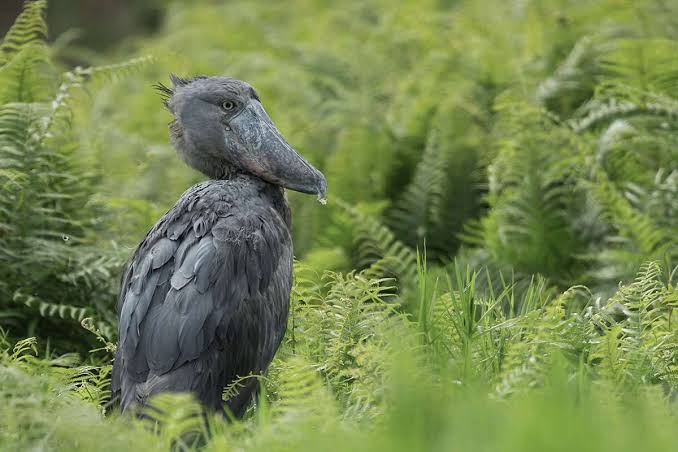
The shoebill stork Uganda offers one of the most extraordinary wildlife encounters on the African continent, drawing birdwatchers from around the world to seek out this prehistoric-looking giant in its papyrus swamp habitat. Standing 1.5 metres tall with a wingspan reaching 2.5 metres and a distinctive shoe-shaped bill that can measure 23 centimetres long, the shoebill looks like a creature from another era. Its slate-grey plumage, piercing yellow eyes and habit of standing absolutely motionless for long periods create an encounter that feels genuinely otherworldly.
Uganda holds more shoebills than any other country on earth. Approximately 1,000 to 1,500 individuals live in Uganda’s extensive papyrus swamps. The global population numbers only 3,000 to 5,000 birds, and the IUCN lists the shoebill as Vulnerable. Uganda’s papyrus wetlands provide the ideal combination of shallow water, dense vegetation and abundant lungfish — the shoebill’s preferred prey.
Shoebill Stork Uganda Sighting: Murchison Falls Delta
The Murchison Falls delta at the mouth of the Victoria Nile offers the most reliable shoebill sighting location in Uganda. Here the river spreads into a broad delta before entering Lake Albert, creating vast papyrus swamps. Local fishermen operate dugout canoe trips into the delta specifically for birders and wildlife watchers. These trips cost $30 to $50 per person and last two to four hours. Experienced guides know the territories of resident shoebills and position the canoe at a respectful distance for photography. Sighting rates here exceed 80 percent on guided trips.
Shoebill Stork Uganda at Mabamba Swamp
Mabamba Swamp near Entebbe ranks as Uganda’s most accessible shoebill location. Sitting 1.5 hours from Kampala on the northwestern shores of Lake Victoria, Mabamba offers early morning boat trips that take you deep into the papyrus channels where shoebills hunt. Local community guides charge $20 to $40 for a shared boat trip of two to three hours. The community-run enterprise employs local fishermen as guides and directs tourism revenue into the village. This makes it one of Uganda’s best examples of community-based conservation. Combine the trip with a visit to Entebbe Botanical Gardens for a full morning of wildlife.
Other Key Shoebill Stork Uganda Locations
Ziwa Rhino Sanctuary wetlands north of Kampala hold a small shoebill population in their extensive papyrus margins. Boat trips on the sanctuary waterways combine rhino tracking with excellent birding. Lake Victoria’s papyrus fringes at Murchison Bay near Kampala and at various points along the lake’s western shore shelter shoebill families. Semuliki National Park near the DRC border provides further habitat where shoebills move through the forest-edge wetlands. The Nile delta at Lake Albert hosts the largest concentration but requires the furthest travel from Kampala.
Best Time and Conditions for Shoebill Stork Uganda Encounters
Early morning offers the best conditions for finding shoebills. These birds hunt most actively from 6am to 9am before midday heat reduces lungfish activity near the surface. Shoebills stand motionless for long periods while hunting, making them hard to spot unless you know where to look. Experienced local guides dramatically improve your success rate. The dry season from June to September and December to February keeps water levels lower, concentrating fish and making shoebills more predictable in their hunting locations. Wet season birds can be harder to find as they spread across larger flooded areas.
Photography Tips for the Shoebill Stork Uganda
Use a telephoto lens of at least 400mm to photograph shoebills from a respectful distance. A tripod or monopod steadies the camera during long waits in a gently rocking dugout canoe. Shoot in burst mode when the bird moves or strikes at fish. Morning light between 6am and 8am provides the golden tones that make dramatic bird portraits. Approach the bird slowly and never push within 10 metres — closer approaches disturb hunting behaviour and stress the bird. Ask your guide to position the canoe with the light behind you for the best facial detail shots.
Conservation and What to Wear for Shoebill Stork Uganda Trips
The shoebill faces pressure from papyrus swamp drainage, fishing net entanglement and habitat loss across its African range. Uganda’s community-based shoebill tourism creates direct economic incentives for local communities to protect wetland habitat. Wearing neutral colours — brown, khaki, grey or olive green — reduces disturbance to the birds. Avoid white and bright colours in the swamp. Closed shoes protect your feet in the boat. A hat and light waterproof layer prepare you for changeable swamp conditions. Bring insect repellent as the papyrus channels harbour mosquitoes even in the dry season. Visiting prices in 2026 range from $20 to $50 for guided boat trips depending on location and group size.
Plan Your Uganda Safari
How to Start Your Booking
Contact Us With Your Travel Dates
Reach out to African Wild Trekkers with your preferred travel window and group size. We check gorilla permit availability first, then build the full itinerary around your confirmed permit date. Contact us as early as possible for peak season dates.
Tell Us Your Budget and Style
We build Uganda safaris at every budget level — from $150 to $2,000+ per person per day. Share your accommodation preferences, activity interests and any special requirements. We tailor every element to match exactly what you want.
What Every Package Includes
Permits, Fees and Activities
Your quoted price covers all activity permits, park entry fees and ranger guide charges throughout Uganda. There are no hidden costs at park gates or trailheads. What we quote is exactly what you pay.
Transport, Accommodation and Meals
Private 4×4 safari vehicle with driver-guide, all lodge accommodation, full-board meals, Entebbe airport transfers and 24/7 in-country support are included in every African Wild Trekkers package from arrival to departure.
Why Travel With African Wild Trekkers
Local Expertise That Makes a Difference
We are a Uganda-based team with direct knowledge of every national park, lodge and guide in our network. We trek these forests and drive these plains ourselves. Our recommendations come from personal experience, not online research.
Request Your Custom Safari Quote
Visit africanwildtrekkers.com/contact to send us your enquiry. We respond within 24 hours every day of the week and deliver your personalised itinerary within three working days.