Silverback Gorilla Rwanda: Understanding the Dominant Male Who Defines the Group
Silverback Gorilla Rwanda Encounter
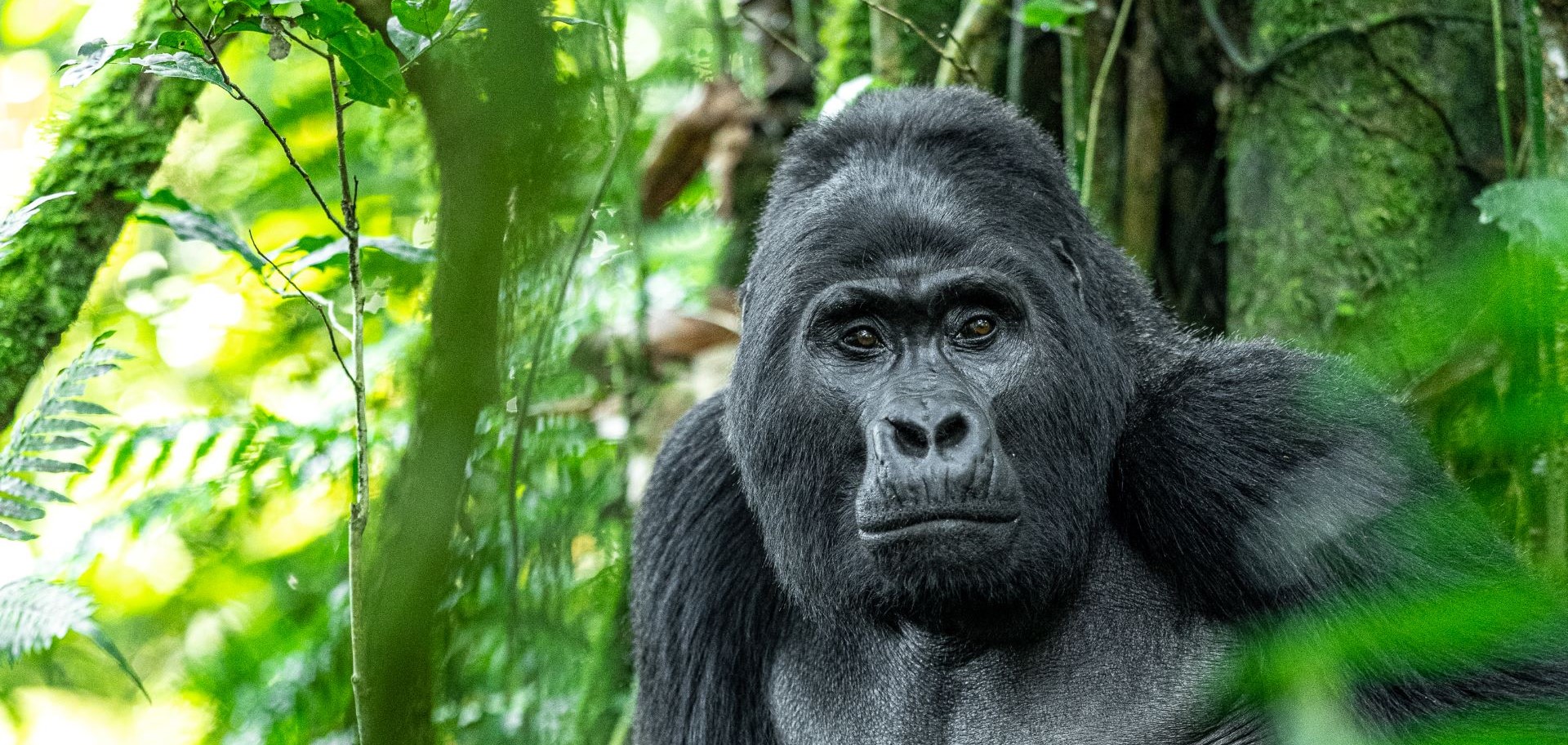
A silverback gorilla encounter in Rwanda creates one of Africa’s most powerful wildlife experiences for visitors.
The presence of a 200-kilogram male highlights the close genetic relationship between humans and mountain gorillas.
Humans and mountain gorillas share approximately 98.3 percent of their DNA, creating a remarkable sense of connection.
Silver fur develops on dominant males between ages eleven and thirteen as they reach full maturity.
The silver saddle signals leadership, breeding status, and authority within the gorilla family group structure.
Every habituated gorilla family in Volcanoes National Park includes at least one dominant silverback leading the group.
Understanding silverback behavior before trekking helps visitors appreciate the encounter beyond simple wildlife observation.
African Wild Trekkers briefs all clients on silverback behavior before every gorilla trekking experience.
Leadership, Protection, and Decision-Making
The silverback leads major family decisions, including movement, feeding locations, resting periods, and responses to potential threats.
He selects daily travel routes based on food availability, weather conditions, and nearby gorilla group activity.
Family members follow his direction through strong social bonds developed over years of shared experiences.
When danger appears, the silverback places himself between the threat and vulnerable family members.
He responds through vocalizations, chest beating, displays, or charges depending on the severity of danger.
Guides carefully manage visitor movements to prevent triggering defensive behavior during gorilla encounters.
Silverback Chest Beating
A silverback’s chest beat creates powerful sounds that travel hundreds of meters through dense forest habitats.Males cup their hands during chest beating to increase sound resonance and communication effectiveness.Researchers believe chest beating communicates confidence, dominance, motivation, and territorial intentions to other gorillas.Some chest beats warn rival males, while others reinforce authority within the family group.Guides explain chest-beating behavior and provide instructions when visitors should remain still and quiet.
Relationships with Females and Juveniles
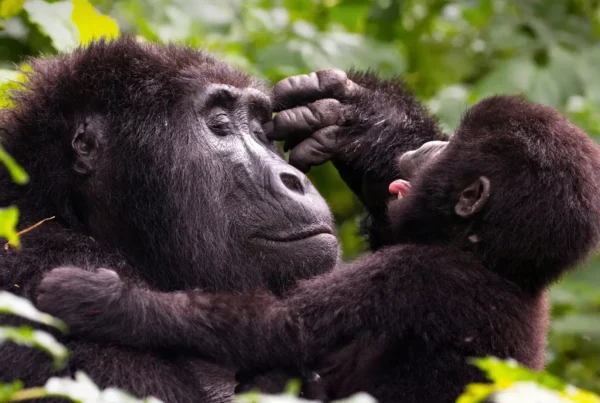
The silverback maintains unique relationships with each female and juvenile within his family group.He often allows familiar juveniles to climb, play, and rest on his massive body.Visitors frequently observe young gorillas playing around the silverback while he continues feeding peacefully.
This combination of strength and patience creates memorable moments for many gorilla trekking participants.The silverback also resolves conflicts between family members and maintains group harmony.These interactions reveal intelligence and social complexity beyond simple dominance-based behavior.
First Encounter Protocol
Guides maintain a minimum seven-meter distance between visitors and gorillas throughout the encounter.They adjust group positions continuously as gorillas move through the forest environment.When a silverback looks directly at visitors, guides signal specific behavioral responses immediately.
Visitors crouch low, avoid eye contact, and reduce movement to demonstrate non-threatening intentions.These actions help gorillas remain relaxed and continue normal feeding and social activities.Many travelers describe direct eye contact with a silverback as a life-changing wildlife experience.
Mock Charges
Silverbacks occasionally perform mock charges to demonstrate authority without intending physical contact.Visitors should remain still, crouch immediately, and avoid running during any charging display.Running may trigger pursuit behavior, while direct eye contact can increase tension significantly.
Experienced guides recognize warning signs and adjust group positions before situations escalate.Most mock charges end quickly after the silverback confirms his authority over the situation.Many visitors later describe these moments as highlights of their gorilla trekking experience.
Famous Silverbacks
Habituated gorilla families in Volcanoes National Park are led by well-known silverbacks monitored by experienced rangers.Some silverbacks have appeared in wildlife documentaries viewed by audiences around the world.Researchers have studied the Susa Group continuously since the pioneering work of Dian Fossey during the 1960s.
This long research history created one of the world’s most documented wildlife family records.Each silverback displays unique personality traits recognized through years of daily observation.Guides share information about your assigned silverback before the trekking experience begins.
Plan Your Safari
Book Your Silverback Gorilla Encounter
African Wild Trekkers secures gorilla permits and briefs every client thoroughly on silverback behavior before departure, ensuring you arrive prepared for the encounter rather than surprised by it. Contact us at africanwildtrekkers.com/contact to book your trek.
What Your Package Covers
Your gorilla trekking package includes the $1,500 Rwanda Development Board permit, private 4×4 transfer, porter hire, experienced guide, and accommodation near Volcanoes National Park at your preferred tier.
Request Your Rwanda Gorilla Trek Quote
Tell us your travel dates, and we will confirm permit availability and send a complete package within 24 hours. Reach us at africanwildtrekkers.com/contact.