Tanzania Self-Drive Safari: Is It Possible, Legal and Worth It?
Self-drive safari is popular in southern Africa — Botswana, Namibia, South Africa, and Zimbabwe all have well-established road networks and a culture of independent game driving. Tanzania is a different matter. The country does permit visitors to drive their own vehicles inside national parks, and renting a four-wheel-drive vehicle and entering the parks independently is legal. But the practical reality involves challenges that make self-driving significantly more complicated than it sounds. Most experienced Tanzania travellers — including many who have self-driven successfully elsewhere in Africa — conclude that a guided safari is the better choice here.
This guide explains exactly what self-drive safari in Tanzania involves, what the rules are, and what you should expect from road conditions and navigation. It also weighs the genuine advantages of independence against the equally genuine reasons why most operators and repeat Tanzania visitors recommend going with a guide. The answer is not a blanket no — for specific travellers with specific priorities, self-drive can work. But it requires honest self-assessment and thorough preparation that many visitors underestimate.
Legal Requirements for Self-Drive in Tanzania National Parks
What Tanzania National Parks Authority Requires
Vehicle Requirements and Park Entry Rules
Tanzania National Parks (TANAPA) permits privately owned and rental vehicles to enter national parks alongside operator safari vehicles. Park entry fees are the same regardless of whether you are in a guided vehicle or driving yourself. You need a four-wheel-drive vehicle with high clearance. No national park in Tanzania is safely navigable in a standard sedan or low-clearance SUV, particularly during or after rain. Many tracks inside the parks, including some of the most productive game drive circuits, require proper four-wheel-drive engagement to navigate safely. A vehicle without this capability risks becoming stuck in mud or sand far from any assistance.
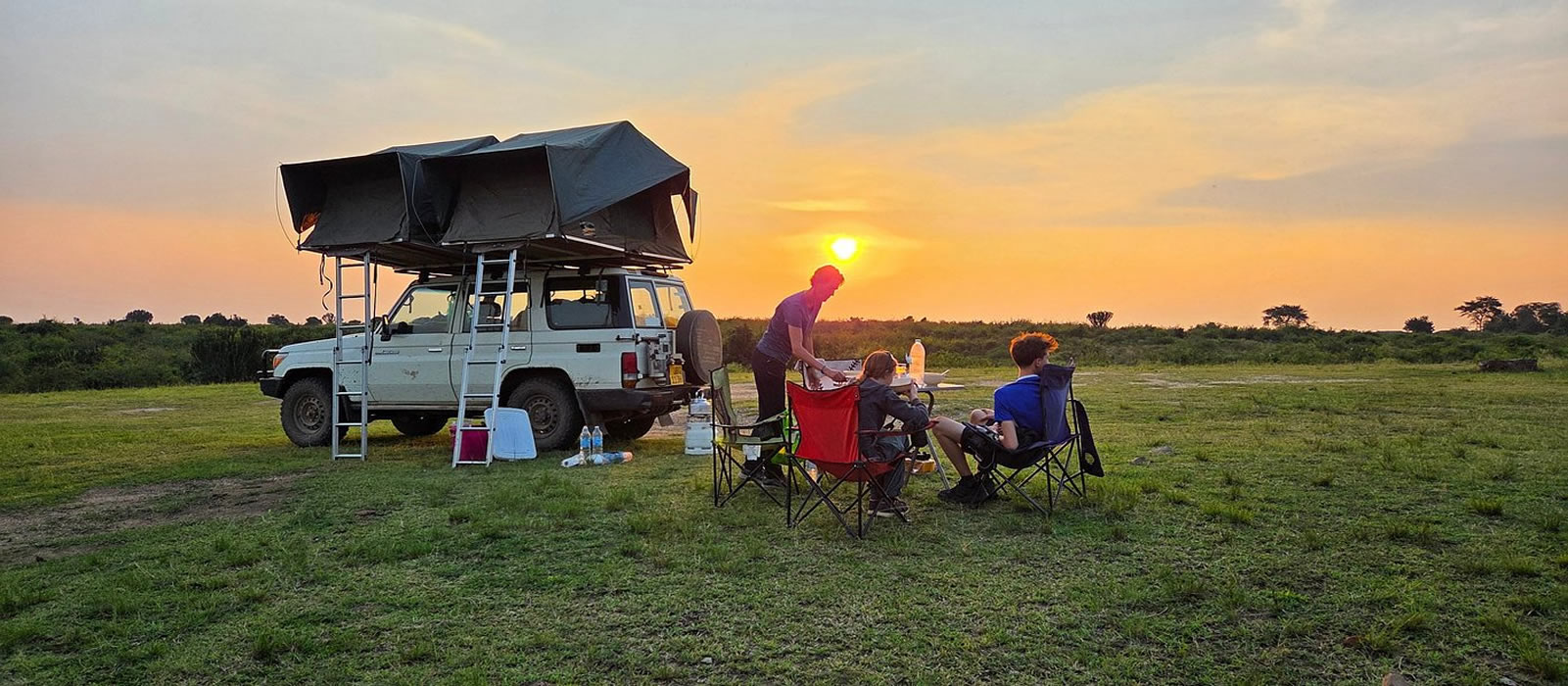
Park gate regulations require you to show your vehicle registration documents and passport, pay entry fees for each person and vehicle, and complete a gate entry register. Some parks — including Ngorongoro Crater — restrict the number of vehicles on the crater floor and require advance booking. Self-drivers who arrive without a reservation may not get a descent slot. Crater regulations also set specific hours for descent and ascent that every vehicle must follow regardless of whether a guide is present. Campsite bookings and fees are separate from park entry fees, and public campsites in Tanzania’s parks vary widely in standard from functional to very basic.
Driving Rules Inside National Parks
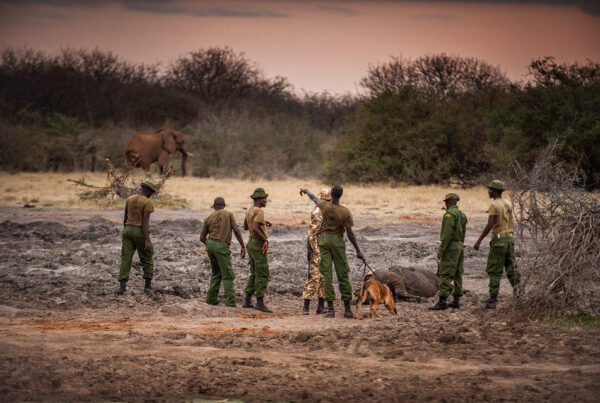
Inside Tanzania’s national parks, all vehicles must stay on designated tracks. Rangers prohibit off-road driving for any reason, including approaching wildlife more closely. Parks set speed limits at 25 to 50 kilometres per hour depending on the track, and rangers patrol regularly to enforce them. Rangers prohibit night driving in virtually all national parks except in some private concession areas. You must return to your campsite or lodge before dark and rangers will stop you if they catch you on the tracks after the closing time. Guided operators know these rules intimately and plan game drive schedules accordingly — self-drivers must manage this independently and strictly.
If your vehicle breaks down inside a national park, you are responsible for arranging assistance. No roadside recovery services exist on park game drive tracks. Calling for help requires satellite communication or reaching a ranger post on foot. Mobile phone signal is absent in most of Tanzania’s remoter parks. You must carry a comprehensive tool kit, tyre repair equipment, a high-lift jack, recovery boards, a tow rope, and sufficient water and food for an extended wait. A second vehicle travelling with you provides insurance against this scenario, and many self-drive visitors travel in convoy with a second car precisely for this reason.
Road Conditions and Navigation Challenges
What Self-Drivers Actually Encounter in the Field
Track Conditions in the Serengeti and Northern Circuit
The Serengeti covers over 14,000 square kilometres and its internal track network is not always clearly marked on standard navigation apps. Some tracks on Google Maps or OsmAnd are inaccurate, outdated, or lead to dead ends at seasonal river crossings that may not be passable depending on water levels. Professional safari guides navigate by a combination of local knowledge, landmarks, and years of experience in specific areas. A first-time self-driver cannot replicate this from a map application alone. Getting lost in the Serengeti is not simply an inconvenience. It can mean being stranded far from camp as darkness approaches, with no phone signal and potentially large predators active nearby.
The main tourist tracks in the Serengeti are generally manageable for a competent driver in a capable vehicle during the dry season, but conditions deteriorate significantly during and after rain. The northern Serengeti near the Mara River becomes particularly difficult in wet conditions, with clay-heavy soils that turn tracks into deeply rutted mud channels. The southern Serengeti around Ndutu during the calving season from December through March involves crossing areas that may have no clearly defined tracks at all. Self-drivers planning to visit in the green season should research conditions specifically for their visit period and set conservative expectations about how much ground they can cover.
Navigation Tools and Their Limitations
The best offline navigation apps for Tanzania self-drive are OsmAnd and Maps.Me with downloaded offline maps. Download the relevant Tanzania maps for the specific parks in your itinerary before departing on network connectivity. These apps are useful but imperfect — they show most major park tracks but miss seasonal alternatives, new cuts, and ranger-recommended routes that experienced guides use to find wildlife concentrations. A physical paper map of each park from TANAPA, purchased at the gate on entry, supplements digital navigation and provides context that satellite-based apps cannot give. Carry a compass as a backup — phone GPS occasionally fails in remote areas when battery life is limited.
Track-finding is only half the navigation challenge. Knowing where to look for wildlife on any given day, which areas are currently productive, and what ranger reports indicate about lion pride locations or cheetah activity requires real-time information that only local guides and lodge networks possess. Self-drivers depend entirely on chance encounters and the visible tracks of recently passed vehicles to find wildlife. This means missing many sightings that guided vehicles find through radio communication or guide experience. This limitation is the single most significant practical disadvantage of self-drive in terms of wildlife viewing quality.
Honest Assessment: Advantages and Disadvantages
When Self-Drive Works and When It Does Not
Genuine Advantages of Self-Drive
The strongest argument for self-drive in Tanzania is autonomy. When you find a compelling sighting — a cheetah stalk, a lion feeding, a leopard in a tree — you can stay as long as you wish without the constraint of a guide managing multiple guests or a lodge schedule dictating return times. You move at your own pace, stop when something interests you, linger over a beautiful view, and experience the park on entirely your own terms. For wildlife photographers in particular, the ability to reposition freely without coordinating with a guide or other passengers can significantly improve shooting angles and timing.
Cost is another genuine advantage for groups of four adults sharing vehicle and fuel costs. Park fees are the same per person regardless, but eliminating guide fees and using public campsites instead of lodge accommodation can reduce the per-person daily cost substantially. Self-drive also suits repeat visitors who know specific parks well enough to navigate them effectively — a traveller on their fifth Serengeti trip with detailed knowledge of the park’s circuit network and seasonal patterns is in a fundamentally different position than someone visiting for the first time.
Why Most Travellers Choose Guided Safari Instead
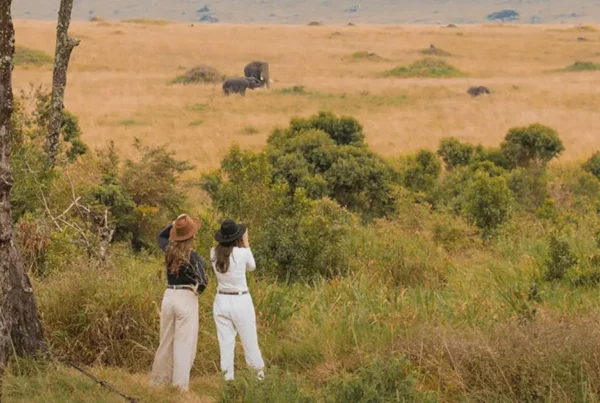
For most first-time Tanzania visitors, the guide is the most valuable component of the safari experience, not an optional add-on. An experienced guide contributes species identification, animal behaviour interpretation, tracking skills, safety management, language assistance for gate procedures, and real-time communication with other guides about current sightings. Guides also carry knowledge of which tracks are passable on a given day. All of this collectively transforms a series of animal sightings into a comprehensively understood wildlife experience. Removing the guide removes all of it simultaneously. Many travellers who self-drive in Tanzania report seeing fewer animals than they expected — not because the animals were absent, but because they lacked the knowledge and network to find them.
The logistical burden of self-drive is also genuinely significant. Booking campsites, managing gate timing, handling vehicle recovery if something goes wrong, navigating without local knowledge, and dealing with unexpected complications — from a medical issue to a vehicle breakdown to a misunderstood park regulation — all fall entirely on the traveller. In a guided safari, a professional operator and guide manage all of these, leaving you free to simply watch and enjoy. For most travellers who visit Tanzania once or twice in a lifetime, spending that time managing logistics rather than experiencing wildlife is a meaningful trade-off that favours the guided option.
Plan Your Safari
If you are seriously considering a Tanzania self-drive safari, the most important preparation steps are selecting the right vehicle, downloading offline maps for every park in your itinerary before departure, booking park campsites well in advance through the TANAPA booking system, and building a realistic itinerary that accounts for park distances, track conditions, and gate hours. Self-drive in Tanzania rewards preparation more than almost any other safari destination. Choose a purpose-equipped four-wheel-drive with all recovery gear, not a standard rental car.
African Wild Trekkers runs fully guided private safari itineraries that provide the guide expertise, safari vehicle, park logistics, and accommodation that make Tanzania’s wildlife accessible without the self-drive burden. For travellers who want the autonomy of independent travel with the security of professional support, the team also offers hybrid itineraries that combine private guiding with flexible scheduling. All reservations are confirmed in writing before any deposit is requested.
Contact African Wild Trekkers at africanwildtrekkers.com/contact with your Tanzania travel dates and we will advise on whether guided or self-drive options suit your priorities and confirm availability within 24 hours.