Uganda Papyrus Wetlands: Africa’s Most Biodiverse Freshwater Swamps
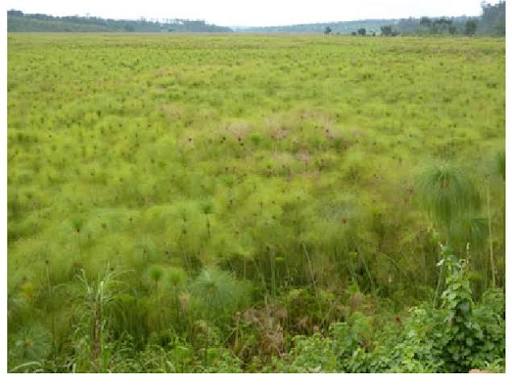
Uganda papyrus wetlands form some of Africa’s most biodiverse freshwater ecosystems along the shores of Lake Victoria, Lake Albert, and Lake Edward. The dense papyrus reed beds that dominate Uganda’s wetland shores shelter a unique community of bird, mammal, and reptile species found nowhere else in the world. Uganda papyrus wetlands support the global population of several bird species that exist only within African papyrus swamp habitat. The shoebill stork, papyrus gonolek, white-winged warbler, and papyrus canary all depend entirely on Uganda papyrus wetlands for their survival. Visiting these wetlands connects birding visitors to one of East Africa’s most threatened and most distinctive ecosystems. The experience of paddling through a papyrus channel is unlike any other Uganda wildlife encounter.
Uganda papyrus wetlands cover approximately 30,000 square kilometres of the country’s total land area. Lake Victoria’s northern shore, the Kazinga Channel margins, and the Kyoga basin all hold extensive Uganda papyrus wetland systems. These wetlands regulate water quality, support fish breeding, and protect shorelines from erosion across the entire lake system. The ecological services Uganda papyrus wetlands provide to the country’s fishing industry have an estimated annual value of billions of dollars. Despite this importance, wetland drainage for agriculture continues to threaten Uganda papyrus wetland extent throughout the Lake Victoria basin. Conservation-focused tourism at these wetland sites provides a financial argument for their protection that agricultural conversion cannot easily override.
Wildlife in Uganda Papyrus Wetlands
Birds of Uganda Papyrus Wetlands
Uganda papyrus wetlands host the world’s most important populations of papyrus-specialist bird species. The shoebill stork is the most famous of these specialists and the primary draw for birding visitors. The papyrus gonolek with its scarlet breast and jet black back is the most conspicuous papyrus specialist on every wetland visit. White-winged warbler inhabits the deepest papyrus sections and requires patient searching in dense stem zones. Papyrus canary is a small, unobtrusive specialist found in the emergent vegetation at Uganda papyrus wetland edges. These four species together form the core target list for birders visiting Uganda papyrus wetlands specifically.
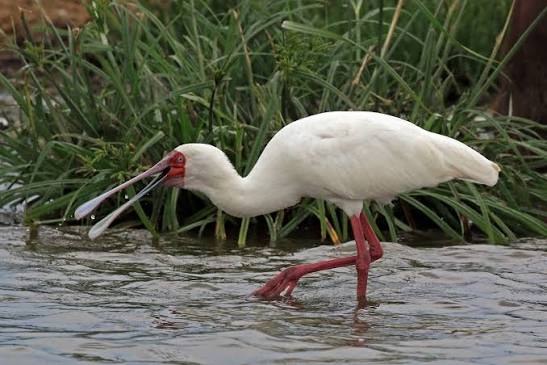
Grey crowned crane, Uganda’s national bird, feeds in the grassland zones adjacent to the Uganda papyrus wetlands throughout the country. African jacana walks across floating vegetation in the open water pools between papyrus stands. Lesser swamp warbler and greater swamp warbler both call from papyrus stems throughout the day. Long-toed lapwing is a particularly characteristic species of the Uganda papyrus wetland edge habitat. African snipe inhabits wet grassland at the papyrus boundary and flushes explosively when approached too closely. The diversity of wetland birds accessible at well-managed Uganda papyrus wetland sites exceeds 80 species on a productive morning visit.
Mammals of Uganda Papyrus Wetlands
Sitatunga is the most distinctive mammal of the Uganda papyrus wetlands and one of Africa’s most specialised antelopes. This medium-sized antelope has elongated splayed hooves that support its weight on floating papyrus mats. Sitatunga move through papyrus channels with ease and feed on papyrus shoots at the water’s edge. The male sitatunga carries long, spiralled horns and stands visibly above the papyrus surface when alert. Uganda papyrus wetlands at Bigodi sanctuary, Queen Elizabeth National Park, and Lake Bisina are the best sites for reliable sitatunga encounters. Boat trips provide significantly better sitatunga viewing than walking approaches on any Uganda papyrus wetland site.
Hippopotamus is the largest mammal of Uganda papyrus wetlands and occupies the deeper water channels year-round. Hippo groups rest in the open water between papyrus zones and are visible from every boat trip. Otter civet inhabits the papyrus margins of some Uganda papyrus wetland sites and is among the country’s most elusive mammals. African clawless otter frequents papyrus waterway margins and is occasionally seen hunting fish in the early morning. Marsh mongoose inhabits the shoreline vegetation at Uganda papyrus wetland edges and hunts frogs and small fish. The amphibian diversity of Uganda papyrus wetlands is exceptionally high, supporting all these specialist predators throughout the year.
Key Uganda Papyrus Wetland Sites
Mabamba Bay Uganda Papyrus Wetlands
Mabamba Bay near Entebbe is the most visited Uganda papyrus wetland site for shoebill stork. The community-managed canoe trip programme brings visitors into direct contact with the Mabamba papyrus community at close range. Two to five resident shoebill individuals inhabit specific territories within the Mabamba papyrus channels. Experienced local guides know each bird’s current location and approach each territory carefully by canoe. The Mabamba papyrus wetland is also a Ramsar Wetland Site of international conservation importance. Conservation fees collected from visitors directly fund the wetland protection programme managed by the local community.
Lake Bisina in eastern Uganda is the second most productive Uganda papyrus wetland for shoebill encounters. The Bisina papyrus extends across a much larger and more remote area than Mabamba. Fewer visitors reach Lake Bisina, creating a more wilderness-like papyrus wetland experience than the more accessible Mabamba site. The combination of shoebill, sitatunga, hippo, and papyrus specialist birds at Bisina matches or exceeds the Mabamba species list on a productive morning. Eastern Uganda birders who visit both Mabamba and Bisina in a single week circuit create an extraordinary Uganda papyrus wetlands comparison itinerary.
Kazinga Channel Uganda Papyrus Wetlands
The Kazinga Channel connecting Lake George and Lake Edward in Queen Elizabeth National Park holds extensive Uganda papyrus wetland margins. The channel boat trip from Kazinga camp covers 16 kilometres of hippo-dense waterway bordered by papyrus on the southern bank. Sitatunga occur in the Kazinga papyrus margins and are regularly seen from the channel boat on morning departures. The Kazinga Uganda papyrus wetlands shelter African fish eagle, goliath heron, and saddle-billed stork throughout the year. The boat trip combines open-water hippo viewing with papyrus wetland birding in a single 90-minute excursion. No other Uganda papyrus wetland site delivers this combination of mammal abundance and wetland bird diversity so efficiently.
Bigodi Wetland Sanctuary near Kibale National Park protects a small but exceptionally rich Uganda papyrus wetland. The circular walking trail through Bigodi passes through papyrus, mixed swamp, and forest edge habitats in two hours. Grey crowned crane, African finfoot, and blue-headed coucal all occur along the Bigodi trail through the Uganda papyrus wetland sections. Red colobus, black-and-white colobus, and L’Hoest’s monkey inhabit the forest edge trees adjacent to the papyrus zone. Bigodi community guides manage the trail and deliver the most knowledgeable and most community-engaged Uganda papyrus wetland guiding of any site in western Uganda.
Plan Your Safari
Plan Uganda papyrus wetland visits as morning activities when wildlife and bird activity peaks before midday. Book canoe trips at Mabamba at least three days ahead and at Lake Bisina at least one week ahead. Include both the Kazinga Channel boat trip and the Bigodi wetland walk in any Queen Elizabeth and Kibale National Park itinerary for the broadest Uganda papyrus wetland experience.
African Wild Trekkers builds Uganda papyrus wetland visits into safari itineraries that combine Mabamba shoebill birding near Kampala with Bigodi, Kazinga Channel, and Lake Bisina wetland experiences across Uganda’s key conservation zones. We pre-book canoe guides and boat trips at every Uganda papyrus wetland site to maximise morning encounter quality.
Contact African Wild Trekkers to explore Uganda papyrus wetlands on your safari. We respond within 24 hours and design wetland itineraries that combine the shoebill, sitatunga, and papyrus specialist birds across Uganda’s most productive freshwater swamp sites.