Uganda Tea Plantations: Green Hills and Highland Safari Country
Uganda Tea Plantation Experiences
The tea plantations cover the beautiful highlands of western Uganda. The green tea fields create some of East Africa’s most scenic rural landscapes. Visitors see these plantations around Fort Portal, Kabale, and the Rwenzori foothills.
Tea has shaped western Uganda’s economy and countryside for generations. The crop supports thousands of smallholder farmers and large estates. Uganda remains one of Africa’s leading tea producers, with exports reaching markets in Europe and Asia.
A visit to a Uganda tea plantation offers more than beautiful scenery. Travelers learn about farming methods, tea processing, and the communities behind this important crop. The experience adds cultural depth to Western Uganda safari journeys.
Tea Plantation Tours in Fort Portal
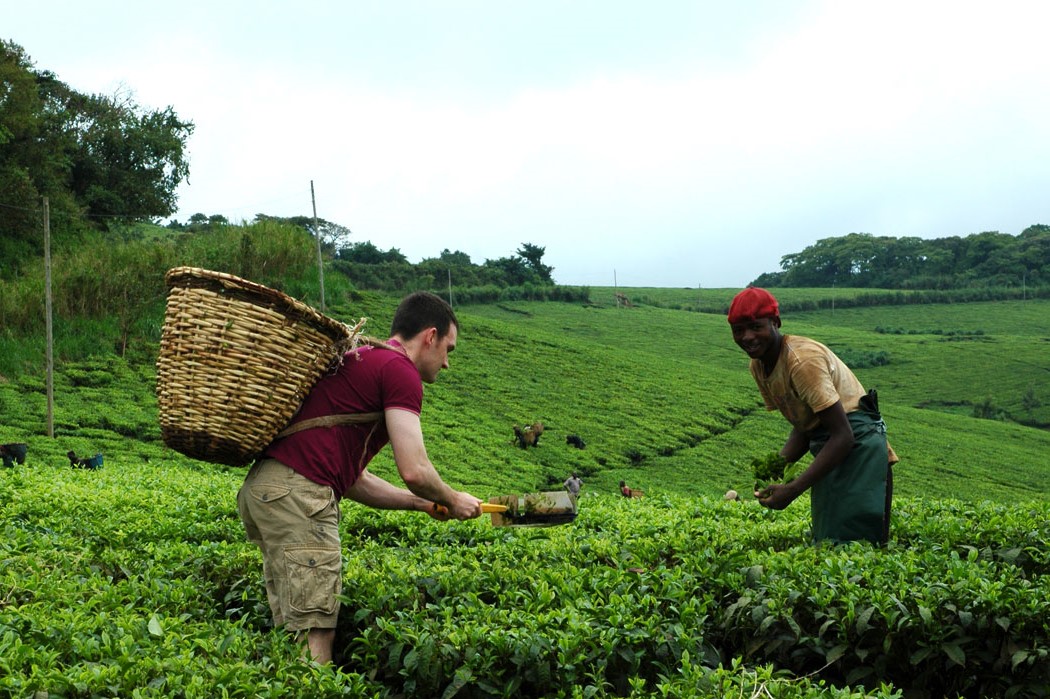
The Fort Portal area hosts some of Uganda’s most accessible tea plantations. Estates such as Tooro Tea and Mpanga Tea welcome visitors for guided tours. These experiences explain tea growing, harvesting, and processing. During the harvest season, visitors can watch tea pickers at work. Pickers carefully select two leaves and a bud from each plant. This method helps maintain the quality of Uganda’s tea production.
Factory tours provide another highlight of the experience. Visitors follow the journey from fresh leaves to finished tea products. The process includes withering, rolling, fermentation, drying, and grading. Each stage changes the appearance and aroma of the tea. Therefore, factory visits help visitors understand the skill behind every cup. Most tours end with a tea tasting session featuring fresh estate products.
Highland Tea Around Kabale
Tea plantations near Kabale sit within Uganda’s highest tea-growing areas. The cool climate and high elevation help produce quality tea leaves. The landscape combines tea fields with dramatic Albertine Rift scenery. Travelers heading toward Bwindi Impenetrable National Park or Mgahinga Gorilla National Park pass through these tea-growing areas. A short stop at a viewpoint offers excellent views of the green hills.
Community tea cooperatives also provide meaningful cultural experiences. Smallholder farmers deliver their harvested leaves to cooperative collection points. The cooperatives help farmers access processing facilities and wider markets. Visitors can learn how local families contribute to Uganda’s tea industry. These visits create direct connections between travelers and farming communities.
Wildlife and Birding in Tea Landscapes
Uganda tea plantations also support wildlife experiences. Many estates sit near forests and protected areas. As a result, they create transition zones between farmland and natural habitats. Birdlife is especially interesting around plantation edges. Species such as the long-crested eagle and augur buzzard often appear above the tea fields. Forest birds also move between remaining forest patches and plantation areas.
Primates sometimes cross these landscapes while moving between forests. Black-and-white colobus monkeys and olive baboons may appear near plantation boundaries. Therefore, tea country drives can offer unexpected wildlife sightings. The combination of agriculture and nature creates a unique landscape. Visitors enjoy both cultural experiences and wildlife encounters during the same journey.
Driving Through Uganda Tea Country
Road journeys through Uganda’s tea regions offer unforgettable views. The routes between Fort Portal, Mbarara, and Kabale pass through rolling hills covered with tea. Morning and late afternoon provide the best light for photography. During these hours, the green fields and mountain views create stunning scenes.
Several viewpoints along these routes allow travelers to stop and enjoy the landscape. Adding extra time for short stops makes the journey more rewarding. The tea regions also connect easily with major safari destinations. Visitors can combine tea plantation visits with crater lakes, chimpanzee tracking, or gorilla trekking.
Plan Your Uganda Tea Plantation Visit
Uganda tea plantations fit naturally into western Uganda safari itineraries. Travelers can include a tea tour during journeys to Fort Portal, Bwindi, or Mgahinga. A Fort Portal tea visit combines well with Bigodi Wetland Sanctuary or Kibale Forest activities. Meanwhile, Kabale tea experiences suit travelers heading toward gorilla trekking destinations.
Factory tours and cooperative visits should be arranged in advance. This ensures guides and plantation teams can prepare for your visit. African Wild Trekkers includes Uganda tea plantation experiences in western Uganda safari itineraries. We arrange plantation walks, factory tours, and community visits alongside wildlife adventures.
Contact African Wild Trekkers to include Uganda’s tea landscapes in your safari journey. We create itineraries that combine culture, nature, and unforgettable wildlife experiences.