14-Day Kenya and Tanzania Safari Itinerary: The Classic East Africa Circuit
The best Kenya-Tanzania safari itinerary over two weeks links Maasai Mara, Amboseli, Serengeti, and Ngorongoro in one circuit.
This route forms a geographic arc from southwest Kenya into the northern Tanzanian highlands. It combines six wildlife ecosystems in 14 days.
Travel uses domestic flights and one border crossing. This reduces road time and maximizes wildlife viewing across both countries.
First-time East Africa visitors often choose this itinerary. It combines Kenya and Tanzania’s most iconic safari destinations in one journey.
African Wild Trekkers organizes this as a single cross-border safari package. It runs from Nairobi arrival to Kilimanjaro departure.
Kenya Leg: Days 1 to 7
The Kenya section includes Nairobi, Amboseli, and Maasai Mara. These parks introduce core East African wildlife experiences.
Day 1 begins with arrival at Nairobi JKIA. Guests overnight in Karen before starting the safari.
Day 2 transfers to Amboseli by road or flight. The journey takes three to four hours by road.
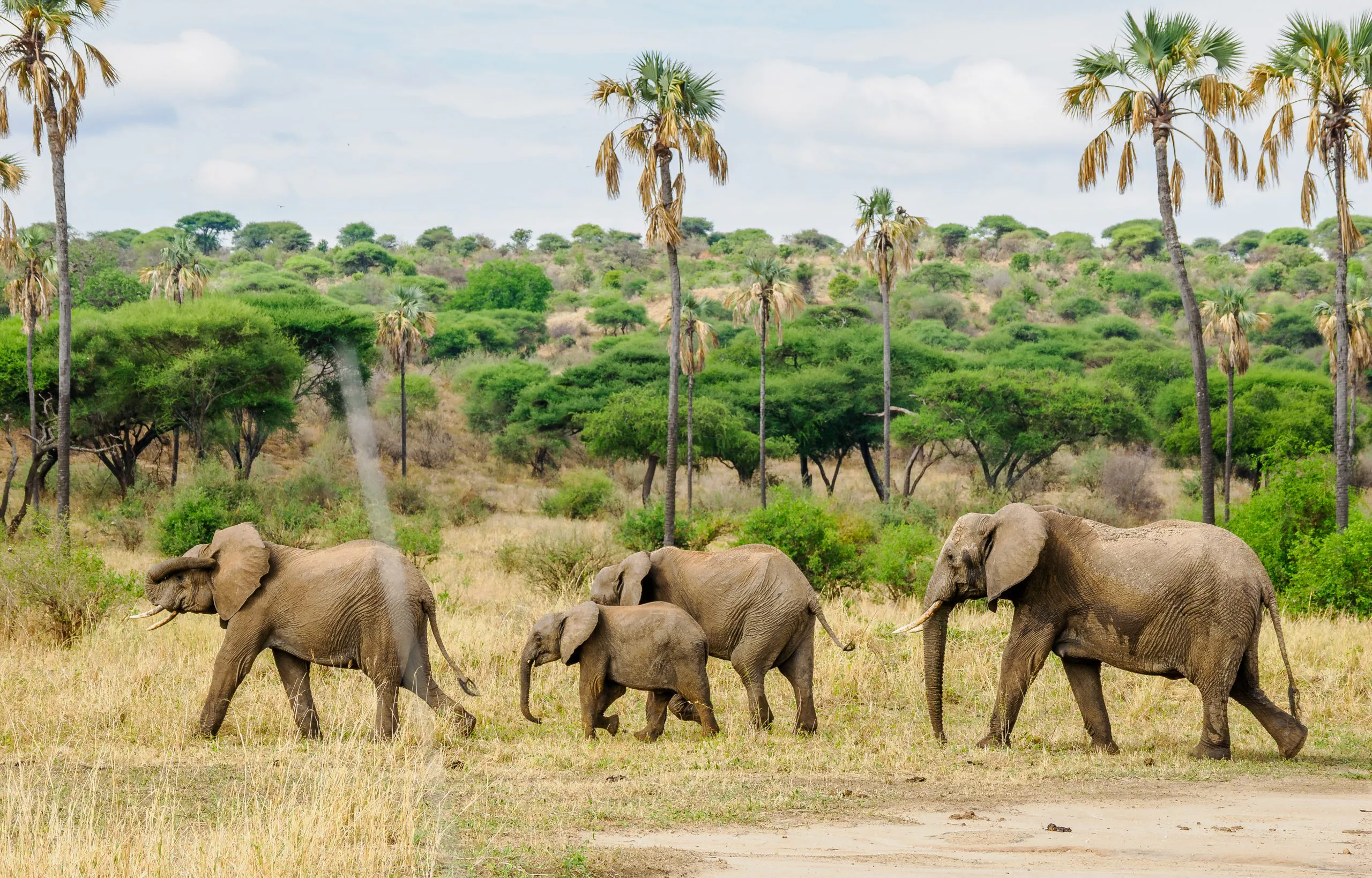
Amboseli offers iconic elephant views with a Mount Kilimanjaro backdrop. Two nights allow full morning and afternoon game drives.
Day 3 focuses on elephant families and swamp wildlife. Hippos, buffalo, and lions are frequently seen.
Day 4 transfers to Maasai Mara by flight or road. Flight options save significant travel time.
Days 4 to 6 cover three full Mara game drive days. Each day explores different predator habitats and river zones.
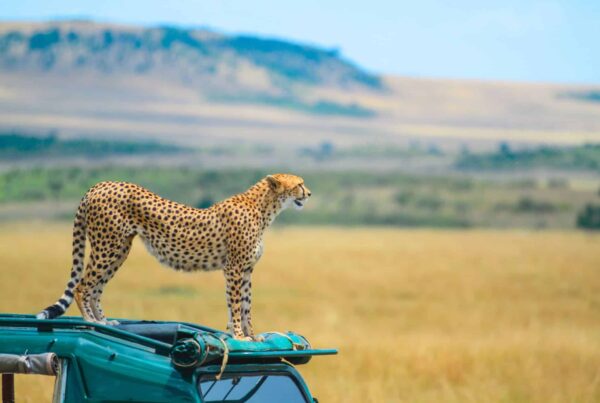
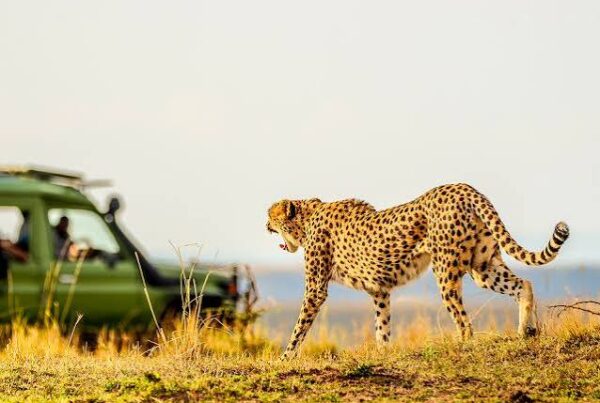
Day 5 focuses on cheetah and lion sightings. Open plains provide excellent visibility for big cats.
Day 6 targets leopard areas near riverine forests. Mara River zones increase predator activity.
Day 7 completes the Kenya leg with a morning game drive. The final drive captures peak early wildlife activity.
Travel continues to Arusha by flight or road. Flight transfer is recommended for time efficiency.
Kenya Wildlife Priorities on the 14-Day Circuit
Amboseli and Maasai Mara form Kenya’s core highlights. Samburu is excluded to protect Tanzania’s time allocation.
Tanzania adds Serengeti and Ngorongoro ecosystem diversity. This balances the overall safari experience across both countries.
Samburu works better in longer 16- to 18-day itineraries. It requires additional nights for proper experience.
The Kenya section prioritizes iconic landscapes and predator viewing. It ensures balanced pacing before entering Tanzania.
Day 7’s border transition is critical for itinerary flow. Efficient transfers preserve safari time.
Morning Mara game drives end Kenya wildlife viewing. Afternoon arrival in Arusha ensures smooth continuation.
Dinner in Arusha marks transition into Tanzania. It prepares travelers for Tarangire the following morning.
Tanzania Leg: Days 8 to 14
Tanzania includes Tarangire, Serengeti, and Ngorongoro Crater. These parks complete the East African safari circuit.
Day 8 begins with a transfer from Arusha to Tarangire. The drive takes about 90 minutes.
Tarangire is known for large elephant herds and baobab trees. The Tarangire River attracts wildlife during dry months.
Day 9 includes a morning game drive in Tarangire. The afternoon transfer moves toward the Serengeti via the Ngorongoro route.
The Serengeti arrival reveals vast open plains. Wildlife density increases immediately after entering the park.
Days 9 to 11 explore Serengeti ecosystems. Central, northern, or western zones depend on migration timing.
Central Serengeti offers year-round predator sightings. Lions and leopards are frequently observed in Seronera.
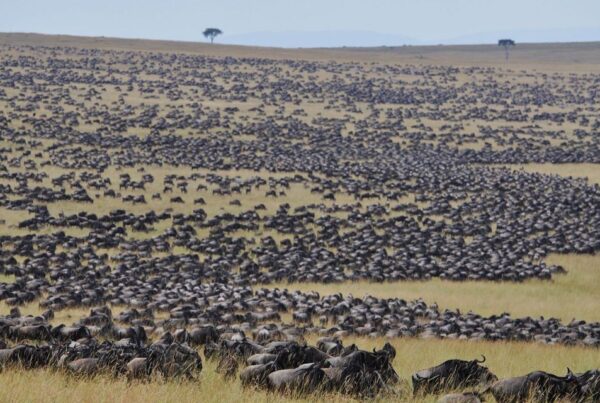
Northern Serengeti hosts river crossings from July to October. Wildebeest movements define seasonal highlights.
Western Serengeti features Grumeti River crossings. These occur mainly in May and June.
Ngorongoro Crater and Return
Day 12: Transfer from Serengeti to Ngorongoro. The crater rim provides a dramatic first view.
The caldera spans about 260 square kilometers. Wildlife concentrates on the crater floor.
Day 13 descends into the crater for a full safari day. Early entry improves wildlife viewing opportunities.
The crater supports lions, buffalo, zebras, and elephants. Black rhino sightings remain a key highlight.
Lake Magadi hosts flamingos and hippos. Forest edges support hyenas and buffalo herds.
Day 14 returns to Arusha for departure. The drive passes through Karatu and coffee plantations.
Kilimanjaro International Airport handles most departures. Some itineraries route through Nairobi instead.
Planning and Costs
Mid-range 14-day safaris cost $8,000 to $12,000 per person. This includes accommodation, guides, and park fees.
Luxury safaris range from $15,000 to $22,000 per person. These include premium lodges and private vehicles.
Budget options range from $5,000 to $7,000 per person. These reduce lodge comfort and exclusivity.
Tanzania park fees total $400 to $500 per person. Serengeti and Ngorongoro contribute to most costs.
Book six to twelve months in advance for peak season. July to October fills fastest.
Maasai Mara conservancies sell out early each year. Serengeti mobile camps also book quickly.
Coordinated booking across both countries is essential. It ensures availability for the full itinerary.
African Wild Trekkers confirms full itineraries within 24 hours. This includes camps, pricing, and routing.
Plan Your Safari
This Kenya-Tanzania safari requires coordinated planning across borders. Flights, lodges, and park fees must align carefully.
African Wild Trekkers manages the full 14-day circuit. The itinerary runs from Nairobi arrival to Kilimanjaro departure.
The package includes accommodation, park fees, vehicles, guides, and flights. Border crossing logistics are fully handled.
Contact African Wild Trekkers at africanwildtrekkers.com/contact with your travel dates for a complete itinerary and pricing.