21-Day Ultimate East Africa Safari: Uganda, Rwanda, Kenya, and Tanzania
The Ultimate East Africa Itinerary: Four Countries in Three Weeks
A 21-day itinerary covering Uganda, Rwanda, Kenya, and Tanzania is the most comprehensive East Africa safari experience achievable within a standard extended vacation period. It brings together the four most wildlife-rich countries in the region and combines their most exceptional experiences—mountain gorilla trekking in Uganda and Rwanda; the Masai Mara migration spectacle and Kenya’s predator-dense savannah; and Tanzania’s Serengeti with its unrivaled lion populations and the wildebeest migration at its most dramatic.
No single country delivers all of these simultaneously. Combining four countries in three weeks requires careful planning but results in an East Africa journey of extraordinary breadth and depth.
This guide outlines the most logical structure for a 21-day four-country East Africa itinerary, explains what each country contributes distinctly to the combination, addresses the logistical realities of moving between four countries in three weeks, and provides practical advice on timing, permits, and the decisions that determine whether this ambitious itinerary runs smoothly or becomes a stressful series of connections.
Three weeks is the minimum realistic duration for this combination—shorter attempts at four countries produce a rushed and unsatisfying experience where the journey between countries consumes the time that should be spent in the field.
Uganda: Mountain Gorillas and Chimpanzees
The Primate Opening of the Grand East African Safari
Bwindi Impenetrable Forest and Mountain Gorilla Trekking
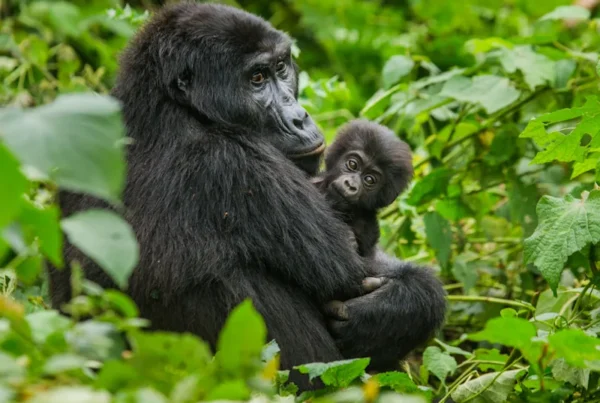
Starting the 21-day East Africa safari in Uganda makes geographic and experiential sense. Uganda is the western anchor of the East Africa safari arc, and beginning with its most exceptional offering—mountain gorilla trekking in Bwindi Impenetrable Forest—establishes the emotional register of the journey from its first day in the field. Uganda’s Bwindi Forest holds approximately half of the world’s remaining mountain gorilla population across multiple habituated families, making it statistically the highest-probability location for a gorilla encounter in Africa.
The trekking experience at Bwindi differs from Rwanda’s Volcanoes National Park in terrain—Bwindi’s dense forest is more challenging and less structured than the Virunga approach—but the encounter quality is equivalent. Uganda’s gorilla permits are priced lower than Rwanda’s at USD 800 per person versus USD 1,500.
Uganda also offers chimpanzee trekking in Kibale National Park—one of the highest chimpanzee densities of any forest in East Africa—as a productive add-on to the Bwindi gorilla experience within a Uganda-focused opening week. A combined Uganda first leg of 5 to 6 days covering Bwindi for gorillas and Kibale for chimpanzees provides the comprehensive great ape trekking component that makes the 21-day itinerary genuinely complete in terms of primate wildlife.
This adds species and ecosystem variety that Tanzania and Kenya alone cannot provide. The flight hub for Uganda is Entebbe International Airport, with connecting flights to Rwanda, Kenya, and Tanzania well-served by regional carriers.
Rwanda: Virunga Volcanoes and a Different Gorilla Experience
Adding Rwanda for the Virunga Gorilla Context
Why Rwanda Adds Value Beyond Duplicating Uganda
Including Rwanda in a 21-day, four-country itinerary alongside Uganda gorilla trekking may seem redundant—both offer mountain gorilla encounters. But the two experiences differ in character in ways that justify the inclusion for gorilla enthusiasts or travelers for whom primate encounters are the primary motivation for the journey.
Rwanda’s Volcanoes National Park is ecologically distinctive from Bwindi—the bamboo forest and open Afromontane vegetation of the Virunga volcanoes provide a different habitat backdrop to the gorilla encounter. The wider range of habituated families at Volcanoes also means that the specific gorilla family you encounter can vary significantly in habituation level and proximity tolerance.
Rwanda also adds golden monkey trekking in the bamboo zone of Volcanoes National Park—a primate encounter with the endangered golden monkeys found only in the Virunga ecosystem—and the Kigali Genocide Memorial, which contextualizes Rwanda’s recent history in a way that is important and illuminating for any visitor who engages with Rwanda beyond its national parks.
For a 21-day itinerary, including Rwanda for two nights—one gorilla trek at Volcanoes and one transit night in Kigali—adds a meaningful primate and cultural dimension without consuming excessive itinerary days. Many travelers find the contrast between Uganda’s forest gorilla trekking and Rwanda’s more structured approach illuminating as a comparison experience.
Kenya: Masai Mara and the Migration Crossings
The Savannah Migration Experience
Masai Mara in the Context of the Four-Country Itinerary
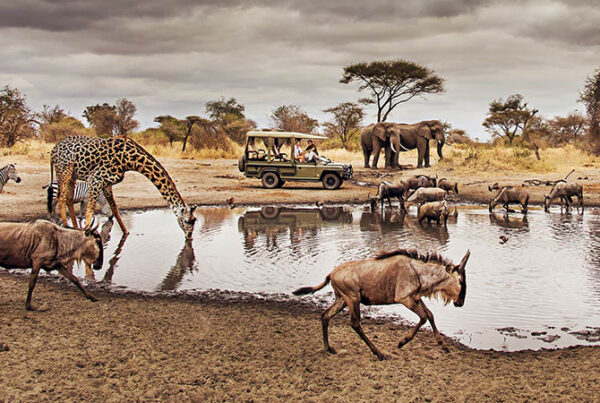
After the forest intensity of Uganda and Rwanda, Kenya’s Masai Mara provides the open-savannah wildlife spectacle that recalibrates the scale of the journey. The Mara is the northern extension of the Serengeti ecosystem. During the July through October migration season, it receives the wildebeest herds that have moved northward from Tanzania, providing access to the Mara River crossing spectacle in a more compact and accessible landscape than the vast Serengeti.
A four-night Masai Mara allocation in the 21-day itinerary—staying in one of the private conservancy camps bordering the reserve—provides the core Kenyan savannah experience without spending excessive time in a country that, within this four-country context, is primarily valuable for the migration rather than as the sole destination.
The Masai Mara’s private conservancies—Olare Motorogi, Naboisho, Ol Kinyei, and others—offer activities not permitted in the main reserve: night drives that reveal the nocturnal dimension of the Mara’s predator activity; guided bush walks; and off-road vehicle tracking that allows following predator activity through vegetation. These activities complement the standard daytime reserve game drives and add dimensions to the Kenya experience that make the Mara nights genuinely different from the Tanzania Serengeti days that follow. The conservancy camps are small—typically 8 to 16 beds—and provide the exclusivity and personalized service that the 21-day itinerary’s ambitious scope deserves.
Tanzania: The Serengeti Grand Finale
Ending the Four-Country Journey with Africa’s Greatest Wildlife
Tanzania as the Journey’s Culmination
The 21-day East Africa safari logically ends in Tanzania, which provides the natural geographic progression from Kenya southward and delivers the culminating wildlife spectacle of the journey. Tanzania offers the Serengeti at whatever seasonal stage aligns with the travel dates, Ngorongoro Crater’s enclosed Big Five ecosystem, and Tanzania’s combination of scale and predator density that no previous stop on the itinerary has provided in quite the same form.
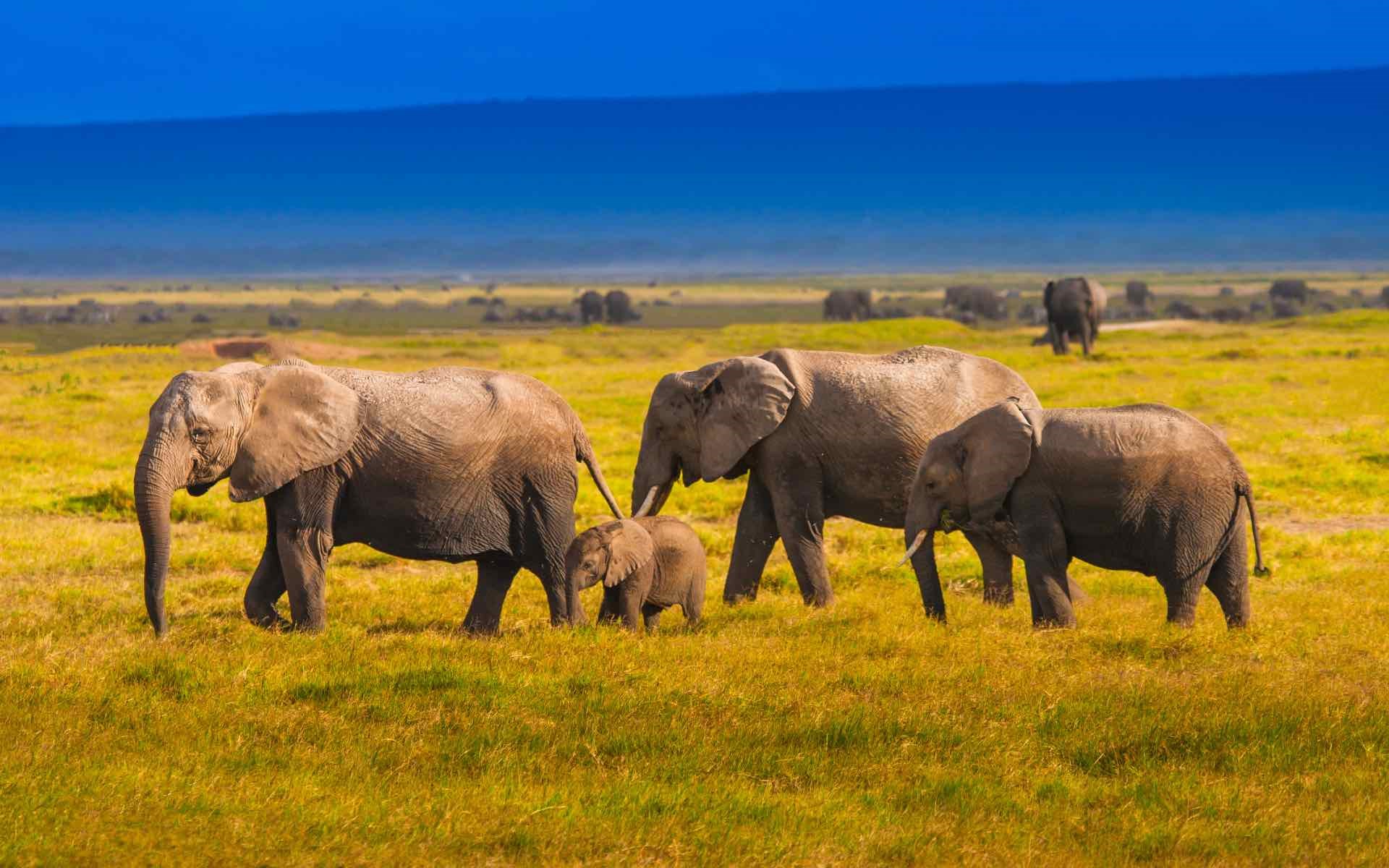
After the primate focus of Uganda and Rwanda and the migration spectacle of the Kenyan Mara, Tanzania delivers the complete African savannah experience with its lion density, elephant herds at Tarangire, and the continuation of the migration that began visually in Kenya but connects to a far larger ecological story across the full Serengeti-Mara system.
A five- to six-night Tanzania allocation within the 21-day structure covers the essential northern circuit—Tarangire or Ndutu (depending on season), the central Serengeti, and Ngorongoro Crater—efficiently and with enough time at each location to develop a meaningful sense of place rather than rushing through checklist stops.
Ending in Kilimanjaro Airport for international departure, or adding a two-night Zanzibar extension for beach recovery before the long international flight home, creates a natural conclusion to a three-week journey of extraordinary intensity and variety. The Zanzibar extension is worthwhile for travelers who can extend by two days—the contrast between the Serengeti’s final game drive and an evening in Stone Town over Zanzibari seafood provides exactly the decompression that three weeks of intense safari require.
Logistics: Making Four Countries Work in 21 Days
Flights, Timing, and Coordination
The Essential Logistical Structure
Moving efficiently between four East African countries in 21 days requires a flight-first approach—road travel between countries takes too long and consumes safari days that should be spent in the field. The standard flight structure for a Uganda-Rwanda-Kenya-Tanzania combination route goes through Entebbe (Uganda entry), Kigali (Rwanda entry and exit), Nairobi (Kenya hub for Masai Mara charter), and Kilimanjaro or Arusha (Tanzania exit). Regional carriers including RwandAir, Kenya Airways, and Ethiopian Airlines connect these hubs.
The Masai Mara and Tanzanian legs use internal charter flights from the respective country hubs to reserved airstrips. Book all connecting flights as part of an integrated package that a single operator manages with experience across all four countries rather than self-booking independently.
Permit booking is the most time-sensitive logistical element of this four-country itinerary. You must book mountain gorilla permits in Uganda (USD 800 per person) and Rwanda (USD 1,500 per person) months in advance for peak season dates. These permits require coordination with lodge accommodation dates that must align with trek day assignments.
Delaying permit booking while finalizing other aspects of the itinerary is the most common planning error on multi-country East Africa trips. Secure permits first before confirming accommodation and flights. An experienced East Africa operator who manages all four country bookings simultaneously resolves this coordination challenge most effectively.
Plan Your Safari
The 21-day four-country East Africa safari is the most complex itinerary to arrange in the region and benefits more than any other trip structure from single-operator coordination across all components. Safari operators with active relationships in Uganda, Rwanda, Kenya, and Tanzania who manage all permits, flights, camp bookings, and border logistics through a single itinerary document reduce the planning burden and risk of coordination failures between separately booked components.
Planning should begin 12 to 18 months before departure for peak season dates, July to October, when gorilla permits and top camps in all four countries are most constrained.
African Wild Trekkers coordinates complete four-country East Africa grand safari itineraries through our regional partner network, managing Tanzania as the anchor leg and connecting Uganda, Rwanda, and Kenya components through specialist partners with current local expertise.
We provide a single integrated itinerary document, a single point of contact for all questions, and end-to-end logistics management across the full 21 days.
Contact African Wild Trekkers at africanwildtrekkers.com/contact with your preferred travel dates. We will design your 21-day East Africa grand safari and confirm all availability and permit booking within 24 hours.