Best East Africa Safari Itinerary for Families With Kids
Family Safari in East Africa: What Works and What Doesn’t
East Africa is an excellent destination for family safaris. Success depends on planning for children’s specific needs, age-appropriate activities, and the realities of long game drives with young passengers. Tanzania and Kenya together offer the world’s finest wildlife viewing.
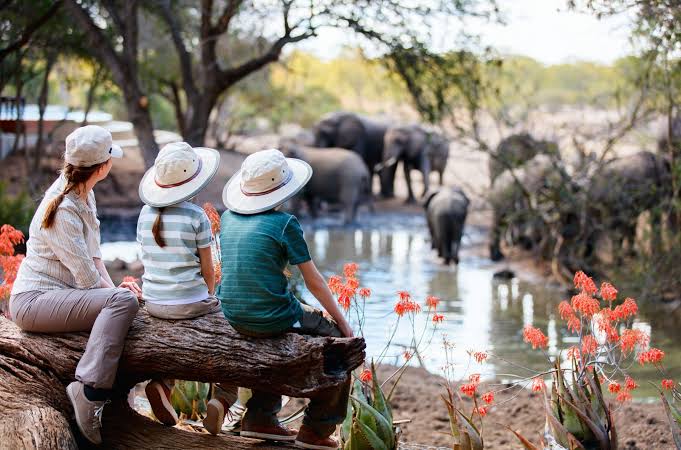
Their landscapes engage children of all ages in ways few other travel experiences can replicate. Seeing a lion family with cubs creates visceral excitement in children. Watching elephants at a waterhole or spotting a giraffe feeding from a roadside acacia does the same.
No theme park or controlled wildlife experience can substitute for these moments. The right family safari itinerary balances maximizing wildlife quality with the comfort and pacing that keeps children genuinely engaged.
This guide covers the specific decisions that make East Africa family safaris work. It addresses which parks have age restrictions or specific family considerations. It explains what accommodation features matter most when traveling with children.
And covers how to structure game drives for different age groups and which itinerary format best suits families with children of different ages. The guide addresses parents planning trips with children specifically—not adults who happen to be traveling in family groups.
Age Considerations: What’s Appropriate at Different Stages
Children Under Five, Five to Ten, and Teenagers
Very Young Children on Safari: Realistic Expectations
Children under five years old can have genuinely wonderful safari experiences. But family trips with very young children require specific accommodation choices and activity structures. These differ from adult or older-children family safaris.
Many of Tanzania’s luxury and mid-range safari lodges impose minimum age requirements for game drives. Some require children to be at least five or seven years old for standard vehicle game drives. Others accommodate younger children on request with specific conditions.
These restrictions exist primarily because young children’s noise and unpredictability can compromise other guests’ experiences. They can also potentially attract unwanted animal attention at key sightings. Families with children under five should confirm specific age policies with every camp before booking. They should also select family-oriented or private camps where small children are explicitly welcomed.
Private vehicle bookings are essential for families regardless of age. They allow game drive timing and pacing to adapt to the children’s actual energy and attention span. A family with a three-year-old may find a 90-minute morning drive with three or four quality sightings is ideal. The child stays engaged before attention wavers.
A return to camp for rest and a swim allows recovery before an afternoon drive. Private vehicles also allow the game drive to stop for toilet breaks and snack distribution. They handle the inevitable moments of sibling conflict without the constraint of a shared vehicle schedule.
Children Five to Ten: The Safari Sweet Spot Age Range
Children aged five to ten are often the sweet spot age range for East African family trips. They are old enough to understand what they are seeing and ask genuine questions.
They are young enough to be genuinely excited by animal encounters without adolescent self-consciousness. Their developing attention spans can sustain two to three-hour game drives with appropriate breaks.
A good guide makes a significant difference. Children in this age range who encounter their first lion pride react with unmediated awe and excitement. That moment makes a family safari photographer’s entire trip worthwhile in a single frame.
Guides who work with families of young children consistently describe it as one of the most rewarding aspects of family safari guiding. The questions children ask and the things they notice that adults overlook are remarkable.
Their enthusiasm for wildlife develops visibly across a week of game drives. Selecting guides that operators specifically recommend for family work makes a meaningful difference.
Guides who enjoy working with young visitors bring a different energy to the educational dimension of the game drive. This sustains child engagement across the full itinerary.
Best Parks for Family Safaris in East Africa
Where to Take Children for Maximum Engagement
Tanzania’s Northern Circuit: Family Strengths
Tanzania’s northern circuit parks are generally well-suited to family safaris for several specific reasons. Tarangire National Park delivers instant and sustained child engagement from the first game drive. Its enormous elephant concentrations and resident lions visible from the main lodge areas are immediately captivating.
The extraordinary baobab tree landscape provides a dramatic backdrop. The abundance and approachability of elephants in Tarangire create opportunities for extended close-range observation. Children find this mesmerizing. The wide variety of bird species, smaller mammals, and dramatic baobabs provides constant new subjects between headline large mammal encounters.
Tarangire accommodates children at most lodges without age restrictions. It is frequently the most reliably engaging first Tanzanian park for children of all ages.
The Serengeti is excellent for older children and teenagers. It can test the patience of very young children due to the long distances between sightings and the variable pace of game drives on an open plain. Children aged eight and above typically thrive in the Serengeti.
The scale of the landscape and density of the animals register as genuinely significant experiences. Dramatic encounters with lions and cheetahs are ones children talk about for years. Ngorongoro Crater is ideal for families because the high density of animals on the crater floor means significant sightings occur continuously throughout a crater day.
This removes the patience required for extended searching that some Serengeti game drives involve.
Kenya’s Masai Mara: Family-Friendly Aspects
The Masai Mara and its private conservancy lodges offer a family dimension that Tanzania’s parks are generally more restricted in. These include guided nature walks for older children, cultural visits to local Maasai communities, and Masai warrior experiences.
These combine cultural education with entertainment in ways that engage children differently from game drives. The Mara’s private conservancy camps also tend to have more family-specific infrastructure. Swimming pools, children’s activity programs, and flexible kitchen teams willing to prepare child-friendly alternatives are common.
These make multi-day Mara stays comfortable for families whose children have dietary preferences that standard safari camp food does not always address.
Amboseli National Park in southern Kenya deserves specific mention for family safaris. The combination of large, accessible elephant herds and the visual backdrop of Kilimanjaro is extraordinary. Elephants can be observed at very close range without requiring luck.
Children find this setting visually extraordinary even before the first animal encounter. Amboseli’s elephants are among the most studied and individually known in Africa. Guides who work specifically in Amboseli bring a level of individual elephant identification and behavioural narration that is remarkable. This engages children in elephants natural history far beyond a standard game drive commentary.
Family-Friendly Accommodation: What to Look For
Infrastructure and Features That Matter With Children
Swimming Pools, Family Suites, and Child-Friendly Facilities
Family safari accommodation selection should prioritize specific infrastructure that adult-oriented camps often lack. A swimming pool or splash pool manages afternoon heat. The midday period when game drives are less productive is perfectly suited to pool time for children. Family suite or family tent configurations allow parents and children to sleep in adjacent or connected rooms rather than separate tents.
Camp fencing or defined boundaries provide safe open spaces for children to move between meals. Several Tanzania lodges specifically cater to families. Ndutu Safari Lodge, Tarangire Safari Lodge, and selected Serengeti properties have developed the infrastructure and staff training that makes family group management straightforward.
Meal flexibility is another practical family accommodation priority. Standard safari camp dining schedules and menus are designed for adult tastes and energy cycles. These do not always align with children’s meal timing preferences. Children’s hunger peaks are not always synchronized with the 7:30 p.m. dinner bell.
Camps that accommodate children’s meal requests and timing create a noticeably less stressful family experience across a week-long stay. Breakfast available immediately on game drive return rather than at a fixed hour is one example. Simple pasta or rice alternatives to the standard adult menu are another.
Confirming these specific capabilities with your camp before booking avoids arrival-day disappointment when a child refuses the adult menu at the end of a long game drive day.
Plan Your Safari
Family East Africa safari planning should begin with an honest conversation with your operator. Discuss the specific ages, energy levels, interests, and any dietary or health considerations of every child in the travel party. Operators who specialize in family safari design ask these questions naturally.
They build itineraries around the answers rather than offering a generic family package. Private vehicle bookings, age-appropriate guide selection, and family suite accommodation at camps with swimming pools are the three decisions that most consistently improve the quality of a family East Africa safari.
African Wild Trekkers designs family safari itineraries on Tanzania’s northern circuit and Kenya’s Mara and Amboseli. Accommodation selections, vehicle configurations, and guide choices are specifically matched to your children’s ages and interests.
All family safari packages include private vehicle game drives and full-board accommodation in family suites. And confirmed age-appropriate activities at every camp on the itinerary.
Contact African Wild Trekkers at africanwildtrekkers.com/contact with your children’s ages and your Tanzania or Kenya travel dates. We will design your family safari itinerary and confirm all accommodation within 24 hours.