Uganda Gorilla Trekking Fitness Requirements: Are You Fit Enough?
Gorilla trekking challenges your body more than most safari activities. You walk through steep terrain, thick forest, and changing weather conditions for several hours. This guide explains the real gorilla trekking fitness requirements so you can prepare properly and avoid surprises on trekking day.
How Physically Demanding Gorilla Trekking Is
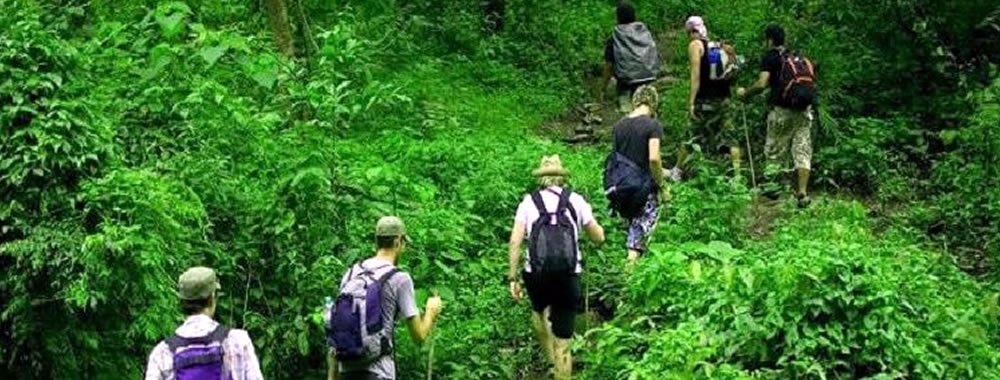
Gorilla trekking does not follow a fixed path. Rangers lead you through natural forest terrain, which includes hills, valleys, mud, and dense vegetation. The trek can last anywhere from 2 to 6 hours or more depending on where the gorillas move.
Some treks feel moderate and manageable, while others require strong endurance and balance. You should expect uneven ground, slippery sections, and constant changes in elevation.
Key Fitness Requirements for Gorilla Trekking
Cardiovascular Endurance
You need good stamina to handle long walks at varying speeds. Trekking involves steady movement, occasional steep climbs, and short bursts of effort.
If you can walk for several hours without exhaustion, you will handle the trek more comfortably.
Leg Strength and Stability
Strong legs help you climb slopes and move through muddy trails. Stability also matters because the terrain often shifts under your feet.
You will step over roots, rocks, and uneven ground throughout the trek.
Balance and Coordination
Balance plays a major role, especially on slippery paths. You need to control your movements and react quickly to changing terrain.
Good coordination reduces the risk of slipping or falling.
Mental Endurance
Gorilla trekking requires patience. You may walk longer than expected before finding the gorillas. Staying focused and positive helps you complete the trek without frustration.
How Rangers Assign Trekking Groups
Matching Fitness Levels
Park staff ask about your fitness level during the morning briefing. They group visitors based on ability, age, and preference.
If you feel less fit, you can request an easier group. Rangers usually assign these groups to gorilla families located closer to the starting point.
No Fixed Guarantee
Even with group allocation, gorillas move freely. This means your trek may still take longer than expected. You should prepare for flexibility in distance and time.
Age and Health Requirements
Minimum Age Limit
You must be at least 15 years old to participate in gorilla trekking. Authorities enforce this rule strictly.
General Health Condition
You should be in good health before trekking. Avoid participating if you have contagious illnesses such as flu or cough. This protects the gorillas from disease transmission.
Medical Conditions
If you have existing health concerns, consult your doctor before traveling. Conditions like heart issues or severe mobility limitations may affect your ability to complete the trek.
Real Terrain Challenges in Bwindi and Mgahinga
Steep Slopes
Bwindi features steep hills that require steady climbing and controlled descent. Some sections demand slow, careful steps.
Mud and Slippery Ground
Rain can make trails very slippery. Even during dry months, shaded areas remain wet and muddy.
Thick Vegetation
You will move through dense forest where branches, vines, and undergrowth block clear paths. This requires physical effort and constant movement.
How to Prepare Your Body Before the Trek
Walking and Hiking Practice
Start walking regularly several weeks before your trip. Include hills or uneven terrain if possible. This builds stamina and prepares your legs.
Strength Training
Simple exercises like squats, lunges, and step-ups improve leg strength. These movements mimic trekking conditions.
Cardio Workouts
Activities such as jogging, cycling, or brisk walking improve endurance. Aim for consistency rather than intensity.
Flexibility and Stretching
Stretching helps prevent muscle strain during the trek. Focus on legs, hips, and lower back.
What Makes the Trek Easier on the Day
Hire a Porter
Porters carry your backpack and assist on difficult sections of the trail. They provide support on steep or slippery terrain, which reduces physical strain.
Use a Walking Stick
A walking stick improves balance and reduces pressure on your knees. It helps you move confidently through uneven areas.
Pace Yourself
Move at a steady pace and take breaks when needed. Do not rush, especially on steep or muddy sections.
Stay Hydrated
Carry enough water and drink regularly. Hydration supports endurance and prevents fatigue.
Who Can Successfully Do Gorilla Trekking?
Moderately Fit Travelers
Most people with average fitness levels can complete gorilla trekking with proper preparation.
Older Travelers
Age does not limit participation as long as you maintain reasonable fitness. Rangers can assign easier groups and porters can provide additional support.
First-Time Hikers
You do not need advanced hiking experience. Basic preparation and the right mindset help you succeed.
Common Mistakes to Avoid
Underestimating the Trek
Some travelers assume the trek will feel easy. This mindset leads to poor preparation and unnecessary struggle.
Skipping Physical Preparation
Even a few weeks of preparation can make a big difference. Do not ignore this step.
Carrying Too Much Weight
A heavy backpack increases fatigue and slows you down. Pack only essentials.
Is Gorilla Trekking Worth the Effort?
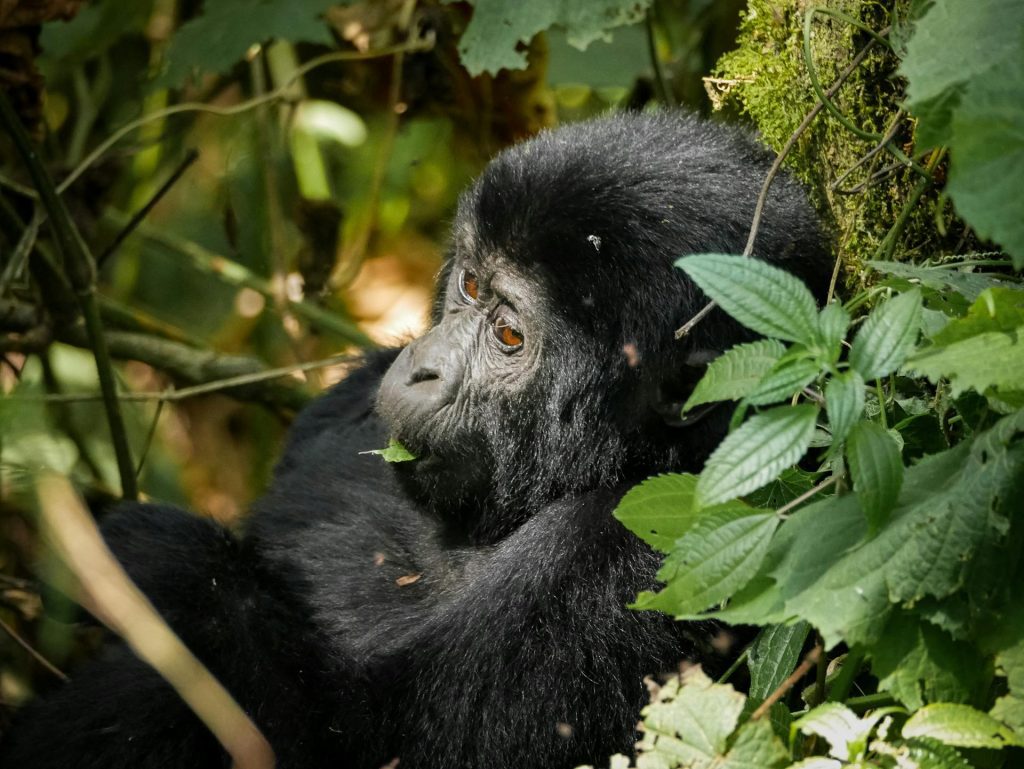
Gorilla trekking demands effort, but the reward makes every step worthwhile. Standing a few meters away from a mountain gorilla creates a powerful and unforgettable moment.
The physical challenge becomes part of the story, and many travelers consider it one of the most meaningful experiences in Africa.
Plan Your Gorilla Trekking Safari
Fitness preparation allows you to enjoy the trek instead of struggling through it. When you train your body and understand the terrain, you approach the experience with confidence.
Let us help you plan a seamless and rewarding gorilla trekking experience in Uganda, or book with us.