Swahili Coastal Food: Spice, Coconut, and the Indian Ocean Kitchen
Swahili coastal food is one of East Africa’s most distinctive and delicious culinary traditions. This cooking style blends Arab, Indian, Persian, and African ingredients into a uniquely Swahili coastal food identity. Coconut milk is the defining ingredient of Swahili coastal food and appears in curries, rice dishes, and sweet breads. Indian Ocean spices including cardamom, cloves, cumin, and cinnamon give Swahili coastal food its characteristic aromatic depth. Swahili coastal food has been shaped by the monsoon trade routes that brought spice merchants, settlers, and settlers’ recipes to the Kenya coast over 2,000 years. Eating Swahili coastal food in a family restaurant in Mombasa old town or Lamu is one of Kenya’s most culturally rewarding experiences.
Swahili coastal food in Kenya divides between the celebration dishes served at weddings and festivals and the everyday dishes of the family kitchen. Pilau and biryani are the grandest Swahili coastal food preparations reserved for important social occasions. Coconut fish curry and wali wa nazi are the everyday Swahili coastal food staples eaten in homes throughout the coastal region. Both the celebration and the everyday Swahili coastal food traditions are accessible to visitors through the restaurants and tea houses of Mombasa old town and Lamu.
Key Swahili Coastal Food Dishes
Pilau and Biryani in Swahili Coastal Food
Pilau is the central Swahili coastal food celebration dish served at every major Kenyan coastal event. Rice is toasted in ghee before adding whole spices including cloves, cardamom, and cinnamon sticks. Meat stock cooks into the Swahili coastal food pilau rice until each grain absorbs the spiced liquid fully. The result is a fragrant, golden rice dish with soft but separate grains. Swahili coastal food pilau uses beef, chicken, or goat depending on the occasion and budget. A well-made Swahili coastal food pilau releases its spice perfume from several tables away in the restaurant.
Biryani is the more elaborate of the two Swahili coastal food celebration rice dishes. Swahili coastal food biryani layers partially cooked rice with marinated spiced meat in a sealed pot. The pot cooks slowly over low heat so the two components finish cooking simultaneously. Swahili coastal food biryani is denser, richer, and more aromatic than pilau due to this layered cooking method. Chicken biryani is the most common Swahili coastal food biryani at Mombasa restaurants. Seafood biryani is a Lamu Swahili coastal food speciality that reflects the archipelago’s fishing community economy. Both biryani and pilau are served with kachumbari fresh tomato and onion salad in the standard Swahili coastal food table arrangement.
Coconut Dishes in Swahili Coastal Food
Wali wa nazi is the everyday Swahili coastal food staple of rice cooked in coconut milk. This simple preparation is more flavourful and aromatic than plain boiled rice. Wali wa nazi appears at every Swahili coastal food meal as the default carbohydrate alongside curries and grilled fish. Coconut milk rice absorbs the Swahili coastal food curry sauces beautifully during eating. The coconut palm therefore provides both the cooking liquid and the cultural flavour identity of the entire Swahili coastal food tradition. Swahili coastal food without coconut milk is simply not authentic regardless of the other ingredients used.
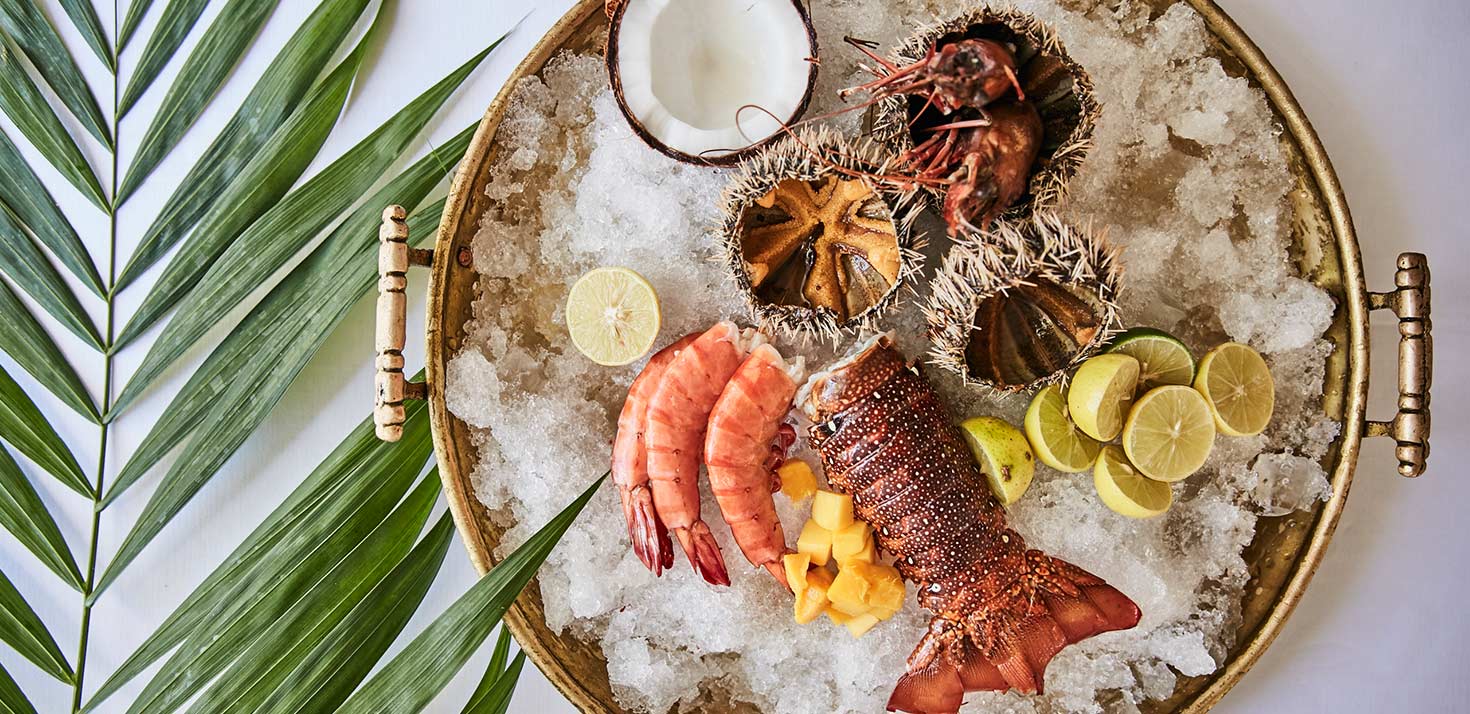
Mchuzi wa samaki is coconut fish curry and the most characteristic Swahili coastal food main dish. Fresh fish simmers in a sauce of coconut milk, tomato, tamarind, and spices for 15 to 20 minutes. The sauce acquires a brick-red colour and a complex sweet, sour, and spicy Swahili coastal food flavour. Snapper, kingfish, and tuna are the most common Swahili coastal food fish for this preparation. Octopus curry is a Swahili coastal food speciality more common in Lamu than Mombasa. The octopus requires long slow cooking to tenderise before the coconut milk sauce is added in the traditional Swahili coastal food preparation method.
Swahili Coastal Food Street Eats
Breakfast Swahili Coastal Food
Mahamri are the quintessential Swahili coastal food morning snack. These triangular yeasted coconut doughnuts are fried in deep oil until golden and puffy. Swahili coastal food mahamri are eaten warm with chai masala spiced tea at the morning tea house. The cardamom in the mahamri Swahili coastal food dough complements the ginger-spiced chai perfectly. Mandazi are the round alternative to the triangular mahamri in the Swahili coastal food morning repertoire. Both are sold from roadside stalls and small tea shops throughout Mombasa old town and Lamu from before dawn. The smell of mahamri frying at 05:00 in a Swahili coastal food tea house is one of the Kenya coast’s most evocative morning sensory experiences.
Vibibi are fermented rice flour pancakes cooked on a flat griddle in the Swahili coastal food tradition. The slight sourness from fermentation gives vibibi their distinctive Swahili coastal food flavour profile. Mkate wa ufuta is sesame seed bread baked in a clay oven that appears at Swahili coastal food breakfast tables in Lamu. This dense, nutty bread cuts well for dipping in coconut sauce or eating with mango pickle. The full Swahili coastal food breakfast spread of mahamri, vibibi, mkate wa ufuta, chai, and fresh tropical fruit is one of the most nourishing and delicious morning meals available anywhere in Kenya.
Where to Eat Swahili Coastal Food
The best Swahili coastal food is found in family restaurants and tea houses rather than tourist hotels. Mombasa old town Biashara Street holds four to six family restaurants serving authentic Swahili coastal food at very reasonable prices. The menus at these Mombasa old town Swahili coastal food establishments are simple and change daily based on fresh market availability. Lamu waterfront holds several Swahili coastal food restaurants serving seafood biryani and coconut fish in communal dining settings. The Bush Gardens in Lamu is the most famous Swahili coastal food restaurant on the island and serves very consistent traditional food. Ordering the daily Swahili coastal food special rather than from a tourist menu delivers the most authentic and freshest preparation at every establishment.
A Swahili coastal food cooking class in Mombasa old town or Lamu provides a deeper engagement with the culinary tradition than restaurant eating alone. Several community-based Swahili coastal food cooking class programmes operate in both cities. These classes cover spice blending, coconut milk extraction, and pilau rice preparation in local family kitchens. A Swahili coastal food cooking class participant leaves with a recipe collection, new cooking skills, and a very full stomach after the tasting session. Booking through a reputable community guide rather than a hotel concierge ensures the Swahili coastal food class revenue goes to local families.
Plan Your Safari
Eat at least one Swahili coastal food meal at a Mombasa old town family restaurant and one in Lamu during your Kenya coast visit. Join a Swahili coastal food cooking class if your itinerary includes a free morning at either location. Try mahamri and chai masala at a local tea house as the first activity on any Mombasa or Lamu morning.
African Wild Trekkers includes Swahili coastal food experiences in all Kenya coast itineraries. We book family restaurant lunches, cooking class sessions, and morning tea house visits in Mombasa old town and Lamu as part of the Kenya coast cultural programme.
Contact African Wild Trekkers to include Swahili coastal food in your Kenya coast safari. We respond within 24 hours and design coastal Kenya itineraries where food, culture, and wildlife combine in the most rewarding possible experience.