Why Learning Swahili Makes Your Kenya Safari Better
The Role of Swahili in Kenya
Swahili as Kenya’s National Language
Swahili—or Kiswahili—serves as Kenya’s national language alongside English. Its use extends far beyond the coastal regions where it originated as a trading lingua franca among the Bantu, Arab, and South Asian communities of the Indian Ocean world. President Kenyatta and successive Kenyan leaders have promoted Swahili as a unifying force across Kenya’s 42 ethnic communities, each of which maintains its own mother tongue alongside the national and colonial languages. In practice, most Kenyans in tourist-facing roles speak English fluently, but a traveler who opens an interaction with a Swahili greeting—even imperfectly pronounced—signals respect, interest, and the kind of genuine engagement that transforms transactional encounters into memorable human connections.
On safari, knowing even twenty words of Swahili enriches every drive. When your guide mutters “simba upande wa kushoto” and accelerates toward the left, you already know what you are looking for and in which direction before the vehicle stops. When camp staff greet you each morning with “Habari ya asubuhi?” you can respond with “Nzuri sana” and watch the genuine pleasure this produces.
How Swahili Pronunciation Works
Swahili pronunciation follows consistent rules that make the language far more accessible to English speakers than tonal Asian or click-consonant Southern African languages. Every vowel in Swahili has a single sound: A as in “father,” E as in “bed,” I as in “machine,” O as in “more,” and U as in “moon.” Consonants are mostly familiar from English with the exception of the rolling R and the breathed, back-of-throat KH found in words like “chakula” (food). Stress falls on the second-to-last syllable in virtually every Swahili word—a rule consistent enough that following it even when uncertain produces recognizable pronunciation.
Unlike Mandarin or Zulu, Swahili carries no grammatical tones, meaning a word spoken with imperfect intonation still communicates its meaning rather than producing an entirely different word. The prefix system of Swahili nouns can seem daunting in grammar textbooks but is irrelevant for the phrases a safari traveler needs most. Greetings, numbers, wildlife names, courtesy expressions, and direction words require no knowledge of noun classes to use correctly in basic conversation.
Essential Swahili Phrases for Safari
Greetings and Basic Courtesy
The Swahili greeting system carries cultural weight proportional to the time of day and the relative age and status of the people involved. “Jambo” is the tourist greeting that all Kenyans know and signals entry-level Swahili confidence. “Hujambo” (singular, to one person) and “Hamjambo” (plural, to a group) are the more correct forms, answered with “Sijambo” (“I am fine”) or “Hatujambo” (“We are fine”), respectively. “Habari?” is the second greeting—literally “What news?”—answered with “Nzuri” (good), “Nzuri sana” (very good), or “Salama” (peaceful, safe).
Combining these two greetings—”Hujambo! Habari yako?”—demonstrates enough fluency to generate a genuinely warm response from most Kenyans. Courtesy expressions carry disproportionate communicative weight. “Asante” (thank you) and “Asante sana” (thank you very much) should be deployed generously throughout any Kenya visit—lodge staff, guides, porters, and shopkeepers respond to sincere thanks in Swahili with a warmth that English thank-yous rarely produce. ” Tafadhali” (please) softens any request. “Karibu” (welcome) is the response to thank you. “Samahani” (excuse me, or I’m sorry) serves both as a polite interruption and as an apology.
Wildlife Names Your Guide Uses
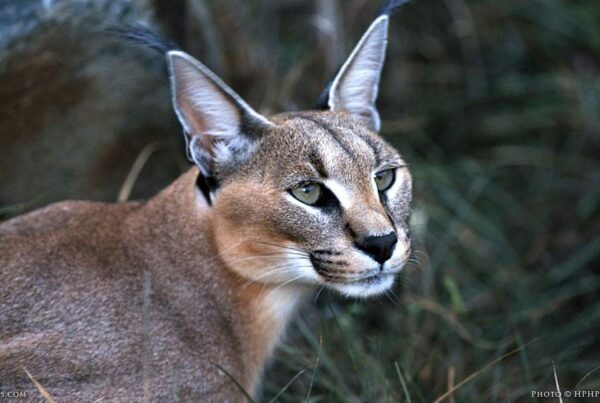
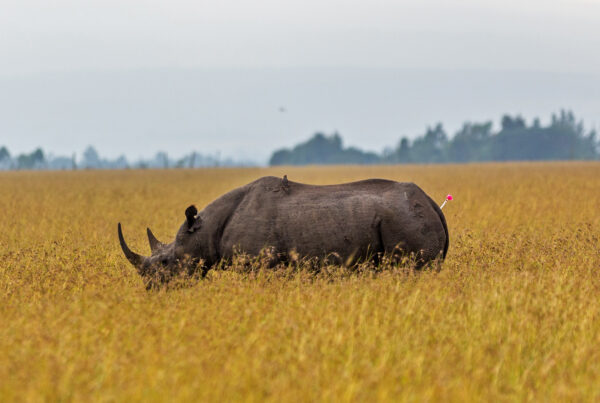
Knowing the Swahili names for Kenya’s most commonly sighted wildlife transforms a game drive from passive reception into active participation. “Simba” (lion), “chui” (leopard), “duma” (cheetah), “tembo” (elephant), “kifaru” (rhinoceros), “nyati” (buffalo), “twiga” (giraffe), “punda milia” (zebra, literally “striped donkey”), “ngiri” (warthog), “kiboko” (hippopotamus), and “mamba” (crocodile) cover the species that appear most frequently on Kenyan drives. Your guide will often name the animal in Swahili before pointing or stopping, and recognizing the name before you see the animal allows you to look in the right direction and observe the animal’s natural behavior before the vehicle’s arrival changes it.
Directional words help you locate animals from guide cues in real time without requiring translation. “Kushoto” (left), “kulia” (right), “mbele” (in front/ahead), “nyuma” (behind), “juu” (up), “chini” (down), and “karibu” (near/close) cover the spatial vocabulary of most game drive sightings. When the guide says “chui—juu, kushoto—karibu,” you know to look up, to the left, at something close. “Simama” means “stop”—one of the most useful single words on any drive when you spot something the guide has missed and need the vehicle to halt immediately.
Practical Phrases for Camp and Town
Numbers in Swahili follow a logical pattern that makes prices, distances, and times communicable after a short period of practice. One through ten: moja, mbili, tatu, nne, tano, sita, saba, nane, tisa, kumi. Eleven is kumi na moja (ten and one), twenty is ishirini, one hundred is mia moja, and one thousand is elfu moja. Prices in markets respond better to Swahili number negotiation than English equivalents—opening in Swahili signals that you have engaged with the culture enough to know basic numbers, which generally produces a more honest first price than the tourist-visible opener.
“Bei gani?” (what is the price?) and “Punguza kidogo?” (reduce a little?) cover the essential vocabulary of informal market shopping without requiring extended language skills. Food and drink phrases allow you to order in local restaurants with confidence. “Chakula” (food), “maji” (water), “chai” (tea), “kahawa” (coffee), “nyama” (meat), “samaki” (fish), “mboga” (vegetables), “ugali” (maize porridge), and “pilau” (spiced rice) cover the majority of menu vocabulary in upcountry Kenya restaurants. “Nimeshiba” (I am full) provides a polite conclusion to any generous hosting situation where food continues arriving beyond comfortable capacity.
Learning More Swahili Before You Travel
Resources for Swahili Preparation
Apps, Courses and Guides
Duolingo offers a free Swahili course that covers the basics of pronunciation, vocabulary, and simple sentence construction in a format most language learners find accessible and consistent enough to maintain through the busy weeks before a departure. The course will not produce conversational fluency in a few weeks of pre-trip preparation, but it establishes the greetings, numbers, and common courtesy expressions that produce the most meaningful real-world exchanges in Kenya. Supplementing Duolingo with a YouTube playlist of Swahili pronunciation guides and native speaker conversations develops an ear for the language’s rhythm that text-based learning alone does not achieve.
Physical phrasebooks dedicated to safari Swahili are available in Nairobi’s Bookstop, Nakumatt, and airport bookshops and serve as pocket references during drives when a specific word is needed that preparation did not cover. Many safari guides carry their own informal vocabulary lists for guests who express interest in learning wildlife names on the drive—asking your guide to teach you five new words each morning turns language learning into a daily interaction that deepens the relationship between guide and guest in ways that purely professional exchanges rarely achieve.
Practicing with Camp Staff and Guides
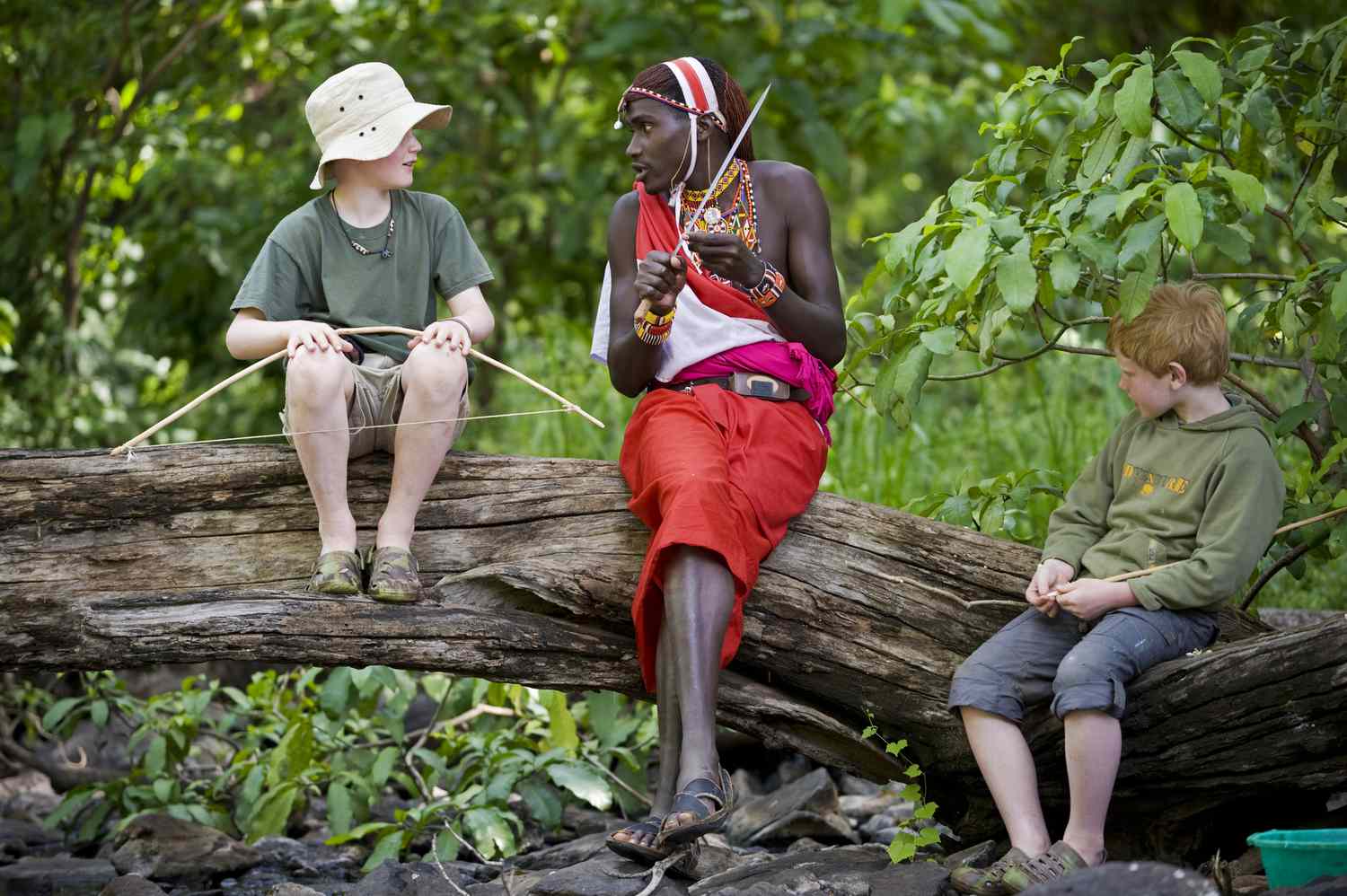
Camp staff in Kenya’s safari lodges genuinely appreciate any attempt at Swahili from guests, not because the attempts are necessarily fluent or accurate, but because the attempt signals respect for the language and the culture it carries. Greeting the chef in the morning, thanking the room steward in Swahili, and asking the nature guide to correct your pronunciation of a species name creates a dynamic in the camp that affects the quality of every subsequent interaction. Staff who perceive guests as culturally curious rather than merely consuming a service extend themselves in ways that make the overall camp experience noticeably richer—recommendations for where to walk at dawn, stories about specific animals they have observed, and the kind of spontaneous hospitality that no service protocol can program.
The appropriate response to any correction of your Swahili by a guide or staff member is “asante kwa kunifundisha”—thank you for teaching me. Deploying this phrase the first time a guide corrects your pronunciation signals that you welcome instruction rather than feel embarrassed by correction. Guides who receive this response typically invest more deeply in the language exchange across the safari. Building a small vocabulary of 40 to 50 words through genuine use during a ten-day Kenya trip plants a foundation that most travelers report wanting to build further after they return home.
Plan Your Safari
African Wild Trekkers provides guests with a pre-departure Swahili phrase sheet as part of the trip preparation materials, covering greetings, wildlife names, camp vocabulary, and the courtesy expressions that most consistently improve interactions with guides and staff. The phrase sheet is tailored to the specific parks and camps in your itinerary so that the Swahili names for species you will most commonly encounter appear prominently rather than buried in a generic list.
The package covers all accommodation, game drives, park fees, and the guided cultural interactions where Swahili skills make the most immediate difference—community visits, market stops in Naivasha, and guide relationships that develop across multiple drives over several days.
Contact African Wild Trekkers at africanwildtrekkers.com/contact with your travel dates, and we will send your Swahili preparation materials alongside your itinerary within 24 hours.