10-Day Tanzania Safari and Zanzibar Itinerary: The Perfect Combination
The ten-day Tanzania safari-and-beach itinerary has established itself as East Africa’s most popular format for a reason. It delivers the full northern circuit wildlife experience in the Serengeti, Ngorongoro Crater, and Tarangire and then transitions to Zanzibar’s Indian Ocean coastline for a beach recovery that feels like the natural reward after days of early mornings and game drive adrenaline. Ten days is long enough to feel each destination thoroughly yet short enough to fit within the annual leave allowance most international travelers have available. This guide walks through the ideal day-by-day structure for this classic combination.
Day-by-Day Ten-Day Tanzania Itinerary
Days One Through Seven: The Northern Circuit Safari
Day One and Two: Arrival and Tarangire
The ten-day itinerary begins identically to the seven-day version: arrival at Kilimanjaro International Airport, transfer to an Arusha hotel for the night, an early breakfast, and a drive south to Tarangire National Park on day two. Tarangire provides the safari’s most dramatic elephant encounters—dry-season gatherings of hundreds of elephants along the Tarangire River create scenes of wildlife abundance that no other Tanzania park replicates with the same frequency.
Two nights in Tarangire rather than one allow a full second afternoon drive that might deliver a lion kill, a leopard sighting in the riverside fever trees, or a close encounter with one of the elephant herds that pass within meters of a well-positioned vehicle at the river crossing.
Tarangire is also among Tanzania’s finest parks for bird life, with a bird list exceeding 550 species. Yellow-collared lovebirds flash through the acacia canopy, martial eagles soar above the baobab ridgeline, and yellow-billed hornbills walk comically across the dusty camp paths between game drives. Travelers who arrive in Tanzania with some interest in birds find that Tarangire exceeds expectations quickly. Even non-birders notice the vulture circles that mark a carcass location on the horizon and the lilac-breasted rollers that pose on every dead branch, turning iridescent wings toward the afternoon light.
Days Three, Four, and Five: Serengeti National Park
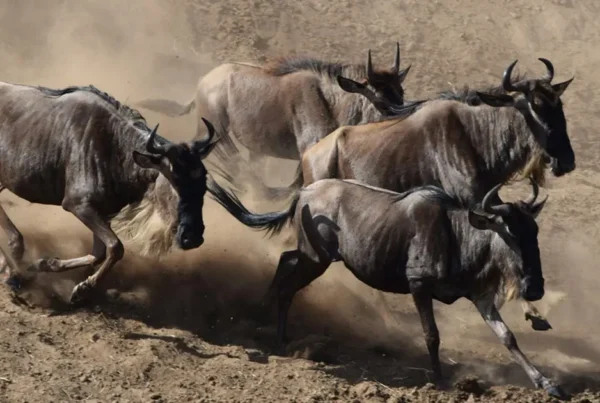
Three full days in the Serengeti is the component that elevates the ten-day itinerary above the seven-day version most significantly. The extra Serengeti day allows coverage of the park’s different sections—the central Seronera corridor with its year-round predator density; the western corridor with its enormous crocodile population during the migration’s river crossings; or the northern Lobo section, where the wildebeest and Kenya-side crossings concentrate from July through September.
Three days also removes the pressure of fitting everything into two drives, allowing longer waits at promising sightings, unhurried midday rest periods at camp, and time for the surprise moments that a safari cannot schedule but always delivers.
The fifth day — the third Serengeti day — often delivers what guides call the “best sighting” because the first two days build an understanding of where each predator has been and where they are likely to appear. The cheetah mother tracked to the south kopje on day three appears in the open plain on day five’s dawn drive with cubs in tow.
The leopard seen resting in the fever tree on day four comes down for the morning hunt at first light on day five. Serengeti guides develop an intuitive understanding of individual animals’ territories and routines, and three days allows that understanding to pay dividends in the form of specific, anticipated wildlife encounters that two days cannot deliver.
Day Six: Ngorongoro Crater Descent
The sixth day centers entirely on the Ngorongoro Crater. Departing from your crater rim camp at dawn means reaching the gate as it opens and beginning the descent into the caldera as the morning mist clears from the walls. The crater floor is cool in the early morning—jacket weather—and the flamingos on the soda lake are visible from the rim track before you reach the floor.
A full day in the crater with a packed lunch consumed at a designated picnic area near the hippo pool allows time for the morning predator action, the midday hippo and rhino viewing, and the afternoon drive when elephants cross the crater floor in long convoys from the forest to the open grassland.
The Ngorongoro Crater’s black rhinos are the most reliable Big Five addition to any Tanzania safari. Tanzania’s rhino population on the mainland concentrates almost entirely within the crater and the adjacent Ngorongoro Conservation Area, and the crater’s enclosed geography makes rhino location a manageable tracking exercise for experienced guides.
Most full-day crater visits result in at least one rhino sighting, and on good days—when rhinos graze in the open caldera grassland rather than retreating to the forest edge—the encounter can be as close as fifty meters with animals completely unperturbed by the vehicle.
Day Seven: Arusha and Transfer to Zanzibar
The seventh day returns the itinerary to Arusha for the Zanzibar transition. Driving from the Ngorongoro rim to Kilimanjaro Airport takes approximately three hours, and the afternoon Zanzibar flight arrives on the island in time for sunset dinner at a beachfront restaurant. The twenty-minute transfer from the island’s Abeid Amani Karume Airport to the north coast resorts at Nungwi or Kendwa is the final logistics step before the beach chapter begins.
Most travelers find the transition from the cool highlands of Ngorongoro to the warm humidity of Zanzibar physically dramatic—the air thickens with ocean moisture, coconut palms replace acacia trees, and the smell of salt water and grilled fish replaces the dry grass and distant smoke of the savanna.
African Wild Trekkers coordinates the Kilimanjaro-to-Zanzibar flight—a short domestic route of approximately ninety minutes—as part of the package booking. The team confirms the flight at the same time as the safari camps, ensuring the Zanzibar arrival is seamlessly managed. Clients who want to fly directly from the Serengeti to Zanzibar without returning to Kilimanjaro can sometimes achieve this through bush airstrip connections depending on the season and routing—the African Wild Trekkers team advises on whether this option is available for specific travel dates.
Days Eight, Nine, and Ten: Zanzibar Beach
Days Eight and Nine: Beach, Reef, and Stone Town
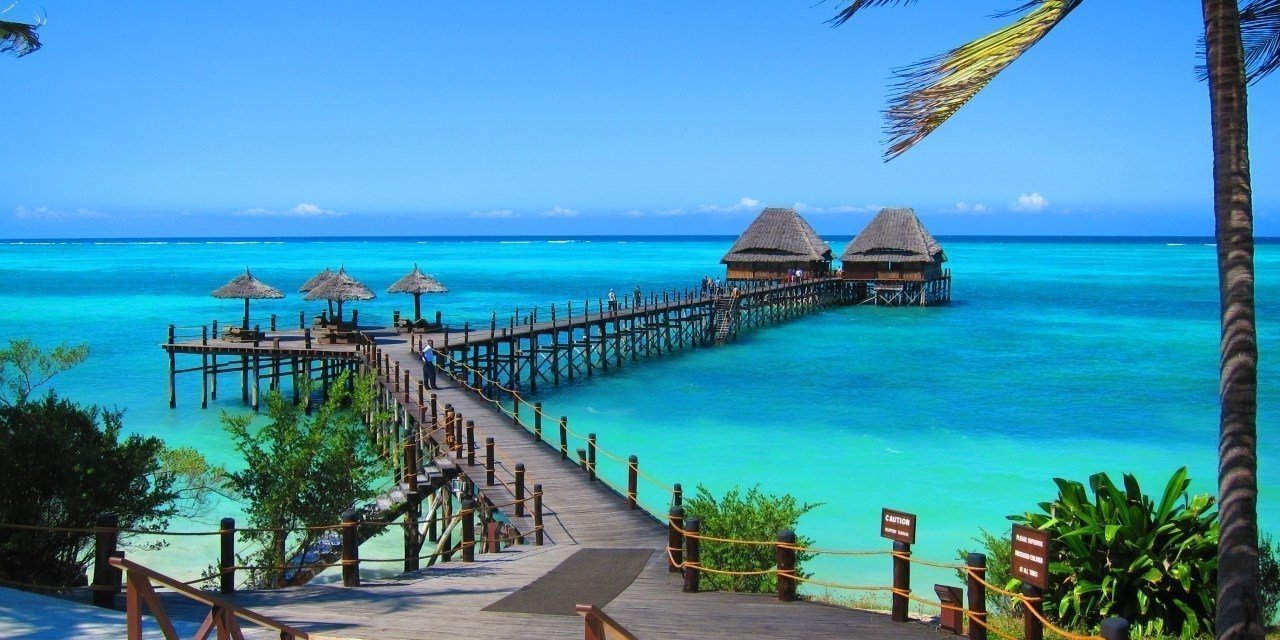
Three days on Zanzibar allow two full beach days and one Stone Town and excursion day without any element feeling rushed. The first Zanzibar day is typically the rest day — spending the morning reading at the beach, swimming in clear water that averages 27 degrees year-round, and eating lunch at a beachside restaurant that serves grilled octopus, Swahili coconut curry, and fresh chapati.
This first beach day functions as a physical decompression after six days of 0530 wake-up calls and high-adrenaline game viewing. A cold Kili beer as the Indian Ocean glitters at the table edge is the universal reward.
The ninth day works well as the Stone Town and excursion day. A guided Stone Town walking tour of three to four hours covers the House of Wonders, the old fort, the spice market, the Anglican Cathedral built on the site of the former slave market, and the narrow alleys of the Arab quarter lined with carved wooden doors and Omani merchant houses.
An afternoon spice farm tour visits working plantations where vanilla, cinnamon, cardamom, cloves, and lemongrass grow in the dense tropical understory, with guides opening pods, breaking leaves, and pressing bark to release their distinctive aromas directly into your hands. The combination of Stone Town history and spice farm sensory experience delivers Zanzibar’s cultural dimension that the beach alone cannot provide.
Day Ten: Final Beach Day and Departure
The tenth day’s agenda depends on your flight schedule. Morning departures from Zanzibar require an early airport transfer and leave little time for final activities. Afternoon or evening departures allow a final morning swim, a last breakfast of tropical fruit and fresh ginger tea at the beach restaurant, and an unhurried check-out before the airport transfer.
Most international connections from Zanzibar route through Dar es Salaam, Nairobi, or Kilimanjaro, with evening departures from Zanzibar connecting to overnight flights that arrive in European or North American cities the following morning. African Wild Trekkers confirms all Zanzibar departure connections as part of the package booking and advises on the latest possible beach check-out time compatible with a smooth airport transfer.
The memory of the tenth day’s final swim—clear water over a coral reef, a sea turtle surfacing three meters away, and the dhow anchored offshore creaking gently—is what most travelers describe when asked why they chose Tanzania for their Africa safari. The combination of the continent’s most extraordinary wildlife and one of the world’s most beautiful beaches within a ten-day structure is the reason this itinerary has remained East Africa’s most booked format for decades.
African Wild Trekkers runs it every month of the year and advises on the specific seasonal variations that make each departure window’s wildlife experience slightly different.
Plan Your Safari
The ten-day Tanzania safari and Zanzibar beach combination is the itinerary African Wild Trekkers books most frequently, and the team knows every component of it in detail—from the best Tarangire camps positioned to capture elephant herds on the river at sunset to the quieter Zanzibar east coast resorts that suit travelers who prefer snorkeling the reef to resort swimming pools. The package covers safari and beach as a single booking with one point of contact from arrival to departure.
Every ten-day itinerary includes all northern circuit park fees, a licensed guide, a 4×4 safari vehicle, camp accommodation with full board, the domestic Kilimanjaro-to-Zanzibar flight, and Zanzibar accommodation with breakfast. Tips, travel insurance, visa fees, and international flights are itemized separately. The team builds the package around your specific travel dates and advises on which Serengeti section offers the best wildlife conditions during your window.
Contact African Wild Trekkers at africanwildtrekkers.com/contact with your travel dates and group size, and we will send a fully personalized ten-day Tanzania safari and Zanzibar itinerary with a complete cost breakdown within 24 hours.