African Pangolin Facts: The World’s Most Trafficked Mammal
More African pangolins are seized by law enforcement each year than any other mammal. Their unique armor creates both their greatest defense and their greatest threat.
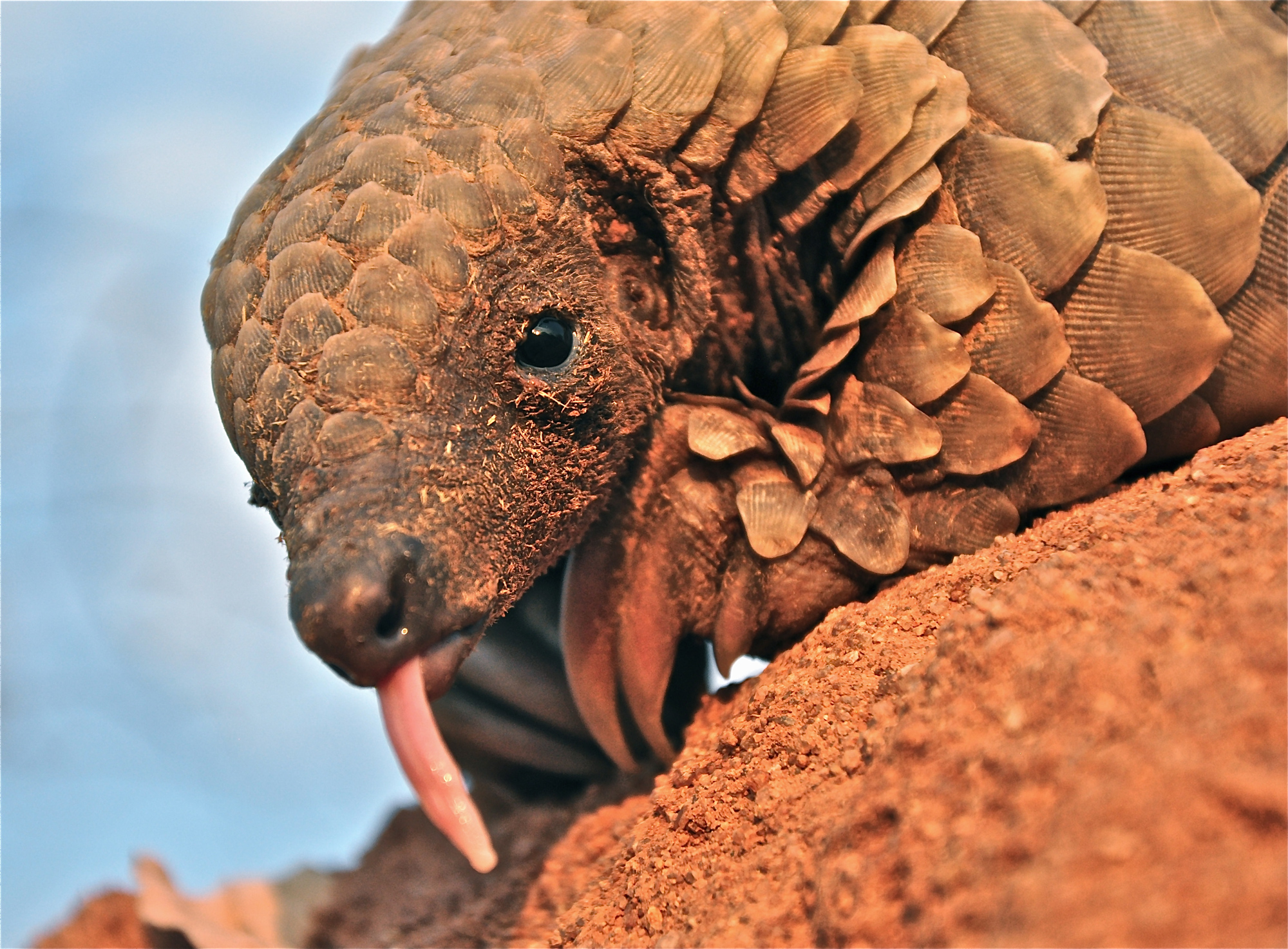
The pangolin’s body is covered with overlapping keratin scales across the back, tail, and sides. These scales protect the animal from predators. However, they also make pangolins targets for illegal wildlife trade.
Their scales are sold in traditional medicine markets across Asia, driving trafficking networks that have reduced populations across Africa.
Despite these challenges, pangolins remain among East Africa’s most remarkable animals. Seeing one during a night drive is a rare and unforgettable wildlife experience.
What Is a Pangolin?
Africa has four pangolin species, with two found in East Africa. The ground pangolin, Smutsia temminckii, is the larger species. It can reach 65 centimeters in length and weigh between 5 and 18 kilograms.
The white-bellied pangolin, Phataginus tricuspis, is smaller and more adapted to life in trees. It occurs in Uganda’s forests.
The name “pangolin” comes from the Malay word “pengguling,” meaning “one who rolls up.” This refers to the animal’s famous defensive behavior.
Pangolin scales consist of keratin, the same protein found in human fingernails and rhino horns. They grow continuously and are replaced over time.
When threatened, a pangolin curls into a tight ball. As a result, its overlapping scales create a strong protective shield with no exposed soft tissue. The tail wraps around the body, strengthening this defense.
Most predators cannot break through this armor. Even lions have been recorded attempting and abandoning attacks on curled pangolins.
Insect Diet and Tongue Anatomy
Pangolins feed almost entirely on ants and termites. The ground pangolin uses its powerful claws to break open termite mounds and ant nests.
It then collects insects with its long, sticky tongue. Remarkably, the tongue can extend beyond the length of the animal’s body. It begins deep inside the chest cavity rather than the usual tongue position.
Therefore, the pangolin can reach deep into insect tunnels without pushing its entire body into the nest.
Pangolins have no teeth. Instead, they swallow insects whole and process them inside a muscular stomach lining that works like a grinding chamber.
Small stones and sand swallowed during feeding help break down the insects. Consequently, a single ground pangolin can consume millions of ants and termites each year.
Because of this feeding habit, pangolins play an important role in controlling insect populations within savanna ecosystems.
Nocturnal Life and Detection
Ground pangolins are mainly active at night. During daylight hours, they rest inside burrows or hide among thick vegetation.
After sunset, they emerge to search for food. Their movement is distinctive because they walk with a slow, waddling gait while folding their front claws inward to protect them.
Their eyesight is poor. Instead, they rely heavily on smell and hearing to understand their surroundings.
Finding a pangolin during a night drive requires patience and experience. Guides with knowledge of feeding areas, termite mounds, and movement routes have the best chances of success.
Additionally, pangolin activity can leave clues. These include claw marks near termite mounds, disturbed soil, and the musky scent left on vegetation.
Conservation Status and Trafficking
The ground pangolin is classified as Vulnerable by the IUCN, while the white-bellied pangolin is Endangered.
Both species face a major threat from illegal wildlife trafficking. Thousands of pangolins are seized each year during international operations, mainly linked to markets in China and Vietnam.
However, seizure records represent only a small part of the total trade. In many areas, researchers have documented serious population declines where hunting pressure exists.
Across East Africa, conservation agencies such as the Kenya Wildlife Service, Uganda Wildlife Authority, and Tanzania’s TAWIRI treat pangolin protection as a priority.
Furthermore, community-based conservation teams play a vital role. Local rangers often prevent illegal captures before pangolins enter international trafficking networks.
Plan Your Safari
A pangolin sighting during a night drive ranks among Africa’s rarest wildlife encounters.
Uganda’s Queen Elizabeth National Park and Kenya’s Laikipia conservancies have recorded successful ground pangolin sightings. However, no destination can guarantee an encounter.
Instead, success depends on patience, an experienced guide, local knowledge, and good fortune.
Therefore, a night safari that reveals a pangolin quietly moving through the darkness becomes a truly special African wildlife memory.
African Wild Trekkers includes night drives in recommended East Africa itineraries and works with guides who specifically track night-active wildlife. Contact us to plan a safari that gives the nocturnal world serious attention.