First-Timer East Africa Safari: The Best Route for Your First Trip
Starting Right: What First-Time East Africa Safari Visitors Actually Need
A first East Africa safari becomes one of life’s most memorable travel experiences. Good planning shapes the quality of that experience from the beginning.
Your destination, parks, travel season, and accommodation all influence the outcome.
Many first-time visitors face overwhelming amounts of promotional information. Not every source explains what creates a truly rewarding safari.
Learning the difference helps you make better booking decisions.
This guide explains what first-time safari travelersshould know before booking. It compares destinations and recommends suitable parks and itinerary lengths. It also highlights common planning mistakes and realistic expectations. These recommendations reflect advice from experienced safari operators and returning visitors.
Which Country for Your First East Africa Safari?
Tanzania vs Kenya vs Uganda for First-Time Visitors
Why Tanzania Is the Best Starting Point
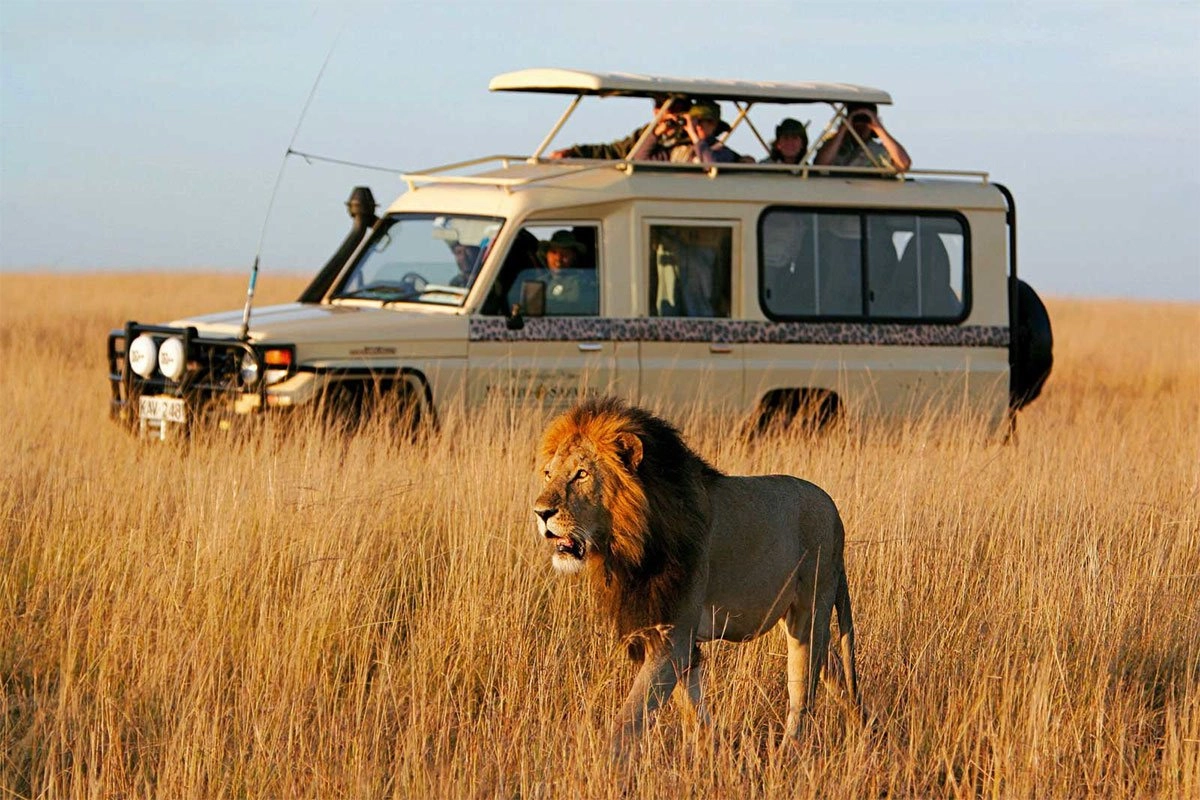
We recommend Tanzania for most first-time safari travelers.The country offers exceptional wildlife, scenery, and visitor-friendly infrastructure. The northern circuit combines Serengeti, Ngorongoro Crater, and Tarangire National Park. Each destination offers different landscapes and wildlife experiences. The Serengeti showcases endless plains and impressive predator populations. The Great Migration adds another unforgettable wildlife spectacle.
Ngorongoro Crater supports one of Africa’s highest wildlife concentrations.
Visitors often see the Big Five within a single game drive. Tarangire attracts large elephant herds throughout much of the year. Its ancient baobab trees create distinctive safari landscapes. The northern circuit offers efficient travel between major parks.
This reduces long drives and maximizes wildlife viewing.
Tanzania also provides accommodation for different travel budgets. Visitors can choose comfortable mid-range lodges or luxury safari camps. Experienced guides further improve the safari experience. Their knowledge increases wildlife sightings and enriches every game drive.
Kenya also offers an excellent first safari experience.
The Masai Mara becomes especially popular between July and October. The Great Migration river crossings attract visitors from around the world. Many travellers choose Kenya specifically for this spectacle. Kenya generally costs slightly more than Tanzania.
Its tourism industry also feels busier during peak travel seasons. Uganda and Rwanda focus mainly on primate experiences. Mountain gorilla trekking remains their biggest attraction.
These countries suit travelerswho prioritize primates over traditional safaris. Most first-time visitors expect
Which Tanzania Parks Are Best for First-Time Visitors?
The Essential Northern Circuit
The northern circuit offers Tanzania’s best introduction to safari travel. It combines outstanding wildlife, varied landscapes, and efficient travel routes. Three parks form the foundation of this itinerary. They include Serengeti National Park, Ngorongoro Crater, and Tarangire National Park.
The Serengeti delivers classic African safari scenery. Its endless plains support abundant predators and grazing animals. The Great Migration passes through the ecosystem each year. Wildlife viewing remains excellent even outside migration months.
Ngorongoro Crater offers exceptional game viewing within a volcanic caldera. The enclosed landscape supports impressive wildlife densities. Visitors regularly encounter lions, elephants, buffaloes, and hippos. The crater also offers one of Tanzania’s best chances to see black rhinos.
Tarangire National Park is famous for its elephant populations. Large herds gather around the Tarangire River during the dry season. Ancient baobab trees create dramatic scenery across the park. The landscape offers excellent photography opportunities.
Together, these three parks deliver a balanced safari experience. Each destination contributes something unique to the journey. Lake Manyara can complement the northern circuit. Many itineraries include it during transfers between parks.
The park features groundwater forests, flamingos, and diverse birdlife. Some visitors also spot its famous tree-climbing lions However, shorter itineraries benefit from focusing on three parks. More time in each destination improves wildlife viewing.
A seven-day itinerary provides excellent balance. Spend two nights in Tarangire for relaxed game drives. Spend three nights in the Serengeti to explore different wildlife areas. Stay one night near the Ngorongoro Crater rim.
Descend into the crater the following morning. This schedule delivers rewarding wildlife encounters without rushing.
How Long Should Your First East Africa Safari Be?
The Best Safari Duration
Safari length strongly influences your overall experience. Allow enough time to enjoy each destination fully. Seven nights provide the minimum recommended itinerary. This schedule gives meaningful time in each national park.
You avoid spending most of the trip on transfers. Instead, you enjoy more game drives and wildlife encounters. Seven nights suit many first-time visitors. The itinerary balances time, budget, and experience well.
Ten nights create an even better safari. Extra days increase flexibility across the northern circuit. Your guide can adjust activities to match current wildlife movements. Additional time also allows slower travel between destinations.
Many visitors appreciate this relaxed pace. They enjoy longer wildlife sightings and fewer rushed departures. Some travelers choose four- or five-night safaris.
Business travellers often prefer these shorter itineraries.
Short trips still offer memorable wildlife experiences. However, they often feel too brief. Long transfers consume valuable safari time. Park entry procedures also reduce time for wildlife viewing. Many first-time visits. have wanted another day or two. The safari often ends just as confidence and familiarity develop.
Seven nights remain the practical minimum. This duration allows wildlife experiences to outweigh travel logistics. Ten nights provide the ideal balance.
You gain deeper experiences without feeling rushed.