Gorilla Trekking Plus Migration Safari: The Two Greatest Wildlife Experiences Combined
The Two Pinnacle Wildlife Experiences of East Africa
Among the hundreds of wildlife encounters available across East Africa, two consistently stand at the summit: mountain gorilla trekking in Rwanda’s Volcanoes National Park and the wildebeest migration on Tanzania’s Serengeti. Repeat East Africa safari visitors cite these two experiences most often as the encounters that stayed with them longest. They describe them most vividly to others years later. They would most want to relive or share them with first-time visitors to the continent. Combining both in a single East African journey creates a trip that achieves something genuinely rare. Both experiences are category-defining in their own right, encountered back to back in a journey of extraordinary variety and emotional range.
This guide is specifically about the combination. It covers how to structure a trip that does justice to both the gorilla and the migration experiences. It addresses optimal seasonal timing for seeing both at their best and how to connect Rwanda and Tanzania logistically. It also shows what a genuinely comprehensive gorilla-plus-migration itinerary looks like in practice. It builds on the earlier individual destination guides and focuses specifically on the combination architecture and the decisions that make the combined trip better than the sum of its parts.
The Gorilla Leg: Rwanda’s Volcanoes National Park
Planning the Trek as Part of a Larger Journey
Why Rwanda First Sets the Right Emotional Sequence
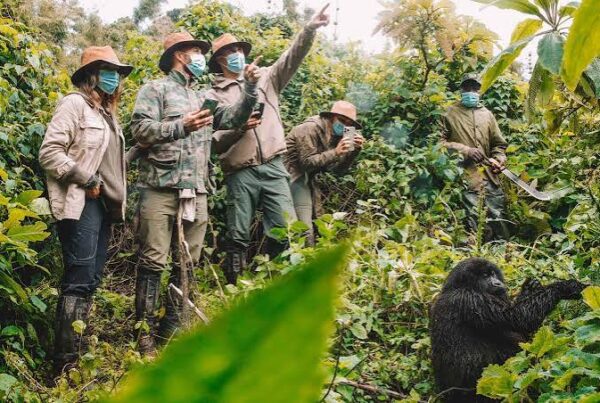
Starting the combined trip in Rwanda. Gorilla trekking first, migration second—creates the emotionally strongest sequence for most travelers. The gorilla encounter is intimate, forest-based, and deeply personal. You are in a small group of eight people, in close proximity to wild great apes who share the majority of their DNA with you. You watch family behavior that mirrors human social dynamics in ways that are simultaneously surprising and profound. This intimate intensity establishes an emotional bar that the migration then extends and transforms rather than diminishes. Moving from the forest intimacy of Rwanda to the vast open plains of the Serengeti creates a journey of expanding scale. You start with what is most personal and move toward what is most awe-inspiring in terms of natural spectacle.
Practically, starting in Rwanda is also the flight-logistics preference for most international travelers. Rwanda’s Kigali International Airport has direct or single-connection flights from most major European and international hubs through RwandAir and Ethiopian Airlines. Departing from Tanzania’s Kilimanjaro or Dar es Salaam airports after the Serengeti leg provides a natural geographic progression without backtracking. Three to four nights in Rwanda. Two travel days, one gorilla trek day, one optional golden monkey or rest day. Is sufficient for the gorilla leg before the Tanzania connection.
The Migration Leg: Tanzania’s Serengeti
Positioning for the Migration’s Most Spectacular Phase
Northern Serengeti for the Mara River Crossings
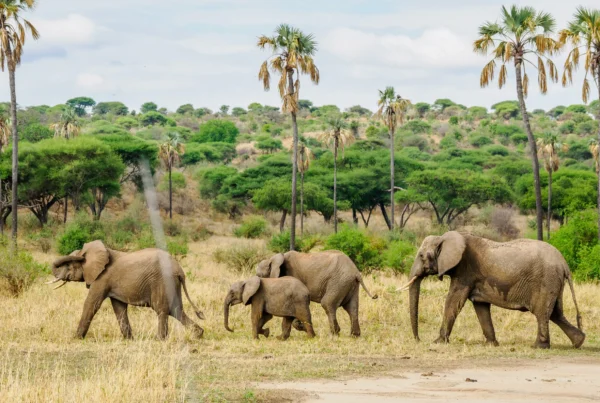
The migration chapter of the combined trip in Tanzania works best when specifically positioned for the Mara River crossings in the northern Serengeti between July and October. These crossings represent the migration’s most visually dramatic single event. They are the specific spectacle that most travelers mean when they talk about “seeing the migration.” After the forest intimacy of the Rwanda gorilla encounter, the northern Serengeti’s Mara River in August provides a wildlife experience of entirely opposite scale and character. Herds of tens of thousands of wildebeest mass on the bank before launching into crocodile-filled water in panicked crossings. This makes the combination richer than either alone.
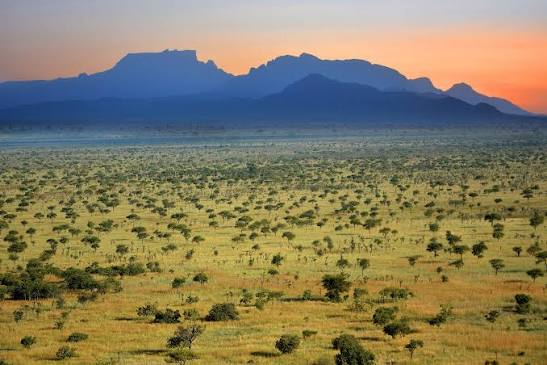
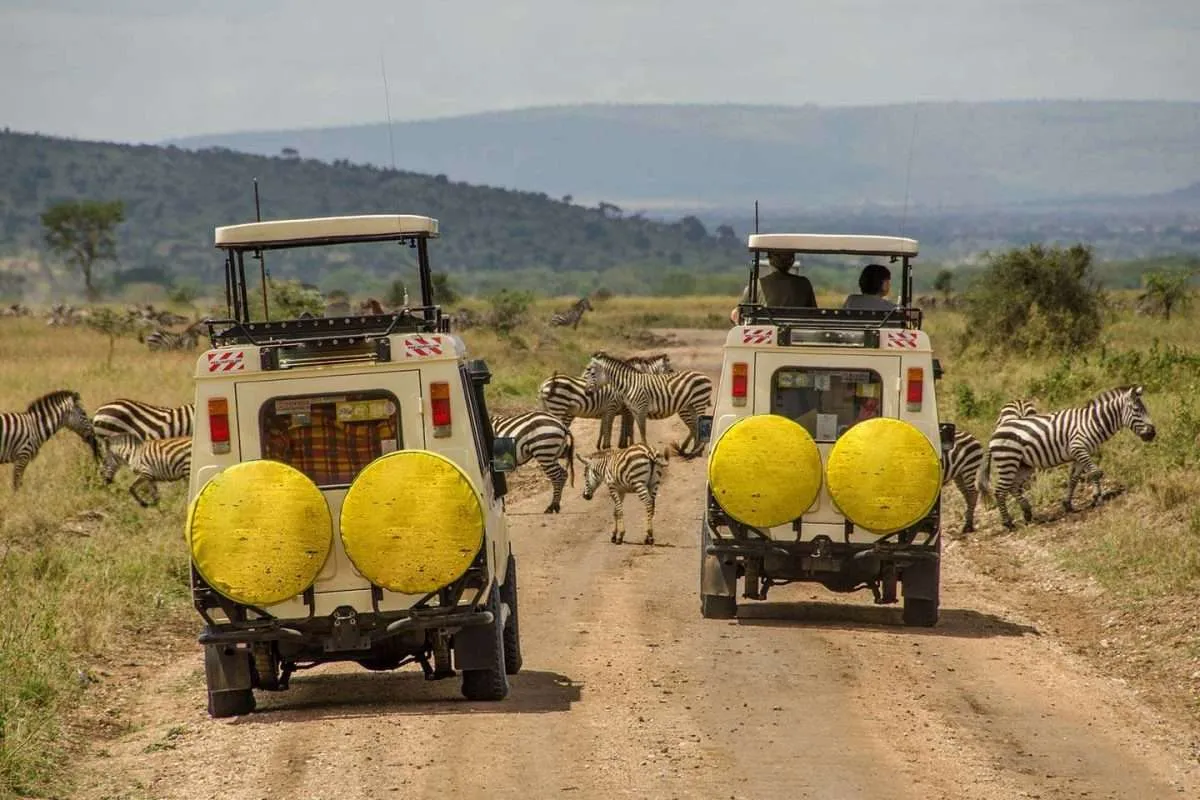
Five to six nights in the northern Serengeti at a migration-positioned camp. Lamai Serengeti, Sayari Camp, Olakira, or similar properties directly on or near the Mara River circuit. Provides sufficient time at the crossing points to witness multiple crossing events across the stay. You develop a genuine relationship with the specific crossing sites and understand the daily patterns of herd movement. Each crossing becomes a comprehensible event rather than an incomprehensible chaos. Adding two nights in the central Serengeti after the northern crossing camp extends the Tanzania leg with predator-dense Seronera game drives. These complement the migration spectacle with big-cat encounters unlikely in the northernmost areas.
The Optimal Timing: July Through September
When Both Experiences Are at Their Peak Simultaneously
The Perfect One-Month Window
The single most important planning decision for the gorilla-plus-migration combination is timing both components within the July through September window. This is when both are at their seasonal best. Rwanda’s gorilla trekking is available year-round, but the dry-season months from June through September provide the most comfortable forest trekking conditions. Firmer trails, less mud, reduced rainfall during the trek. These conditions improve the physical experience of finding the gorilla family without affecting the quality of the encounter itself. Tanzania’s Mara River migration crossings peak between July and September. August and early September typically produce the highest frequency of crossings as herd concentrations at the river reach their maximum density.
This alignment of both experiences at peak conditions simultaneously makes the July-September window the overwhelmingly preferred timing for the gorilla-and-migration combination. It also explains why this window is simultaneously the most in-demand and most expensive period for accommodation and permits at both destinations. Book twelve to eighteen months in advance for prime July or August dates at Rwanda’s gorilla lodges and Tanzania’s northern Serengeti migration camps. These properties fill completely, and some individual nights never open to new bookings for the premium dates. Commit to the timing first, then build the rest of the itinerary around the confirmed permit and accommodation structure.
Connecting Rwanda and Tanzania
The Flight Between the Two Wildlife Chapters
Kigali to Kilimanjaro or Arusha
The connecting flight from Kigali to Tanzania. Kilimanjaro Airport or Arusha for the northern circuit safari start. Is available through RwandAir and Kenya Airways via Nairobi. The Nairobi connection adds two to three hours of transit time to the journey. The most practical routing is Kigali to Nairobi (one hour), then Nairobi to Kilimanjaro (one hour). This completes the Rwanda to Tanzania connection within a half-day of travel. It allows an afternoon safari arrival at the first Tanzania camp rather than a full transit day lost. Some operators arrange direct charter connections from Kigali through safari aviation partners, though these are more expensive than commercial connections through Nairobi.
The transit day between Rwanda and Tanzania is a necessary logistical step, but it can itself be productive. A brief Nairobi layover allows a visit to Nairobi National Park. The park offers genuine Big Five game viewing within 7 kilometres of the international airport. It can also include a brief giraffe center or elephant orphanage visit for interested travelers. This is obviously optional. Nairobi is one of the few world capitals with a genuinely productive national park immediately adjacent. A half-day wildlife experience there bridges the Rwanda and Tanzania wildlife chapters with a Kenya dimension that adds rather than interrupts the journey’s wildlife narrative.
Plan Your Safari
The gorilla-trekking-plus-migration combination is the most sought-after East Africa trip structure. It requires earlier booking than almost any other regional itinerary. Rwanda gorilla permits for July and August must be secured twelve or more months in advance. Northern Serengeti migration camps for the same period fill on similar timelines. A combined itinerary of twelve to fourteen days. Three Rwanda nights, one transit day, eight Tanzania safari nights. Works well within a standard two-week vacation. Three weeks provides the additional depth that makes both legs more satisfying and less rushed.
African Wild Trekkers manages the Tanzania migration leg of combined gorilla-and-migration itineraries and coordinates the Rwanda gorilla component through our regional partner network. A single integrated booking covers Rwanda permits and accommodation and the Kigali to Tanzania connecting flight. And the full Tanzania Serengeti migration package in one confirmed itinerary document.
Contact African Wild Trekkers at africanwildtrekkers.com/contact with your preferred travel dates, and we will design your gorilla-and-migration combination and confirm all permit and camp availability within 24 hours.