Kilimanjaro Kenya Safari: Climb the Mountain, Then See the Big Five
Kilimanjaro and Kenya Safari: One Mountain, One Great Wildlife Reserve
Kilimanjaro in Tanzania and the Masai Mara in Kenya share a geographical relationship that makes combining them in a single East Africa itinerary both logical and logistically straightforward. The two countries share a border less than 250 kilometers from Kilimanjaro’s slopes. Kenya’s most famous safari destinations. The Masai Mara, Amboseli, and Tsavo. Are all accessible within a day’s travel of the mountain. The combination delivers Africa’s highest summit and Africa’s most famous open savannah wildlife experience within a two-country itinerary. Most international travelers can cover it comfortably in 12 to 16 days. Few East Africa trips provide a more satisfying range of natural experiences than this one.
The Two Experiences: What Each Delivers
Kilimanjaro and Kenya’s safari parks serve completely different functions in a combined itinerary. The contrast between them is a core part of what makes the combination compelling.
Kilimanjaro: The Physical Achievement
Kilimanjaro’s role in the combination is as the physical challenge that anchors the trip in a genuine sense of earned achievement. Seven to nine days on the mountain demands sustained aerobic effort and altitude management. The route moves through five distinct ecosystem zones from tropical forest to arctic summit. It tests the body in ways that no other component of an East Africa itinerary replicates. Reaching Uhuru Peak at 5,895 meters carries lasting significance for most people who complete it. Standing on Africa’s highest point. Watching the continent spread below a cloudline beneath your feet. It is a transformative experience few physical objectives in travel can match.
The mountain also delivers outstanding botanical and scenic diversity that complements rather than duplicates the open savannah experience that follows. The ancient Afro-montane forest of the lower slopes, the giant groundsels and lobelias of the moorland zone, and the volcanic desert of the upper mountain. And the ice field of the summit cone creates a visual progression through entirely distinct environments. These settings are as geographically remote from the Masai Mara’s open plains as any two places within East Africa can be.
Kenya Safari: The Wildlife Spectacle
Kenya’s Masai Mara is Africa’s most famous open savannah wildlife reserve. Its combination of resident big cats, enormous elephant herds, and the seasonal wildebeest migration makes it one of the planet’s premier wildlife destinations in any month of the year. Three days of intensive game driving in the Mara. With experienced Maasai guides who know individual lion prides and cheetah family territories. Delivers encounters of exceptional quality and intensity. The Mara’s open terrain and high density of charismatic wildlife create conditions where spectacular encounters are the expectation rather than the exception during a properly guided safari.
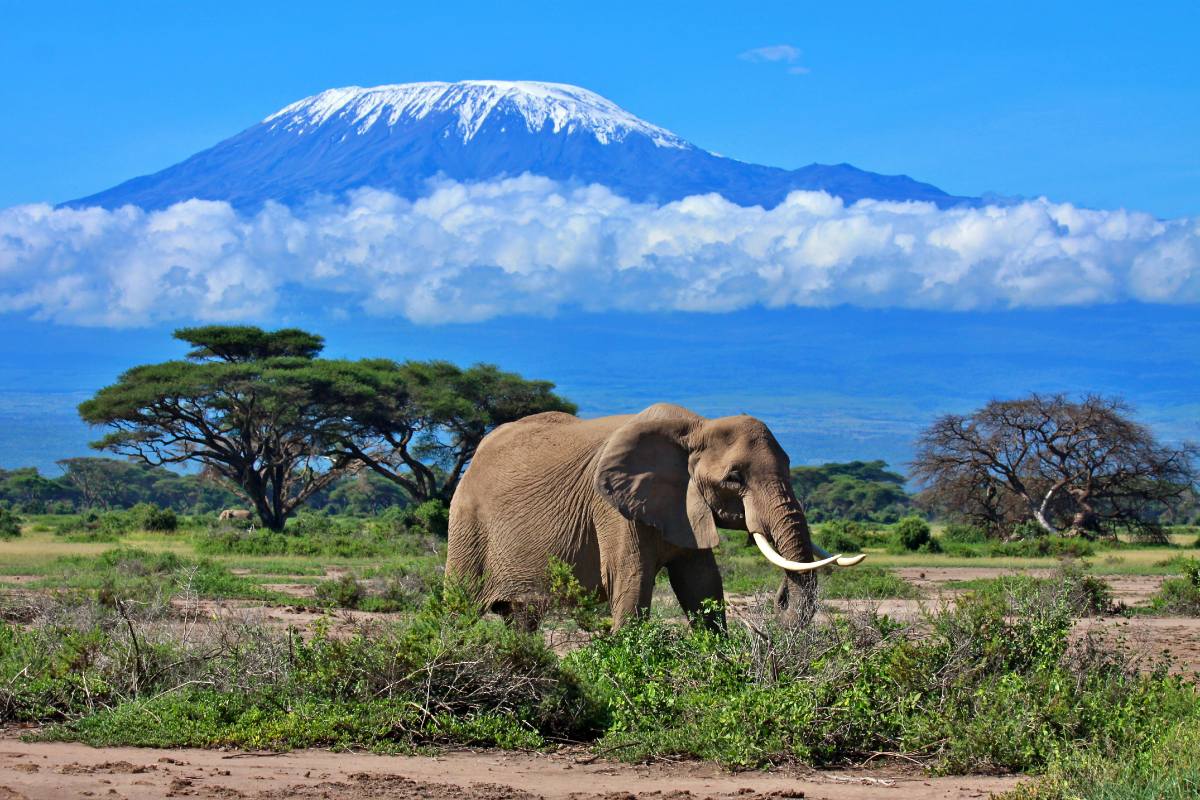
Amboseli National Park sits directly adjacent to Kilimanjaro’s slopes on the Kenyan side of the border. It offers a particularly compelling addition to a Kilimanjaro-Kenya itinerary. It provides a safari experience literally in the shadow of the mountain just climbed. Amboseli’s famous elephant herds are photographed against Kilimanjaro’s snow-capped summit more than almost any other subject in African wildlife imagery. This creates an instant visual connection between the two components of the trip. Spending a night at an Amboseli camp looking south toward the mountain. After having stood on its summit from the Tanzanian side days earlier. Provides a perspective on scale and geography that is genuinely affecting.
Routing and Logistics
The border geography between Tanzania and Kenya creates several efficient routing options for a Kilimanjaro-Kenya safari combination. These options avoid unnecessary transit time.
The Namanga Border Crossing Option
The most straightforward overland connection from Kilimanjaro to Kenya uses the Namanga border crossing on the Arusha-Nairobi highway. After descending from the mountain and resting one night in Moshi or Arusha, a road transfer to Amboseli takes approximately three to four hours via the Namanga Gate. This makes Amboseli the natural first Kenya destination for travelers crossing overland. This routing is cost-effective compared to flying. It provides a gradual transition from the mountain environment to the Kenyan savannah. The body has time to readjust from altitude while remaining engaged with East Africa’s landscapes.
From Amboseli, the routing continues to the Masai Mara by road or light aircraft depending on available time and budget. The road journey from Amboseli to the Mara takes approximately five to six hours via Nairobi. This makes it a full day in transit that suits relaxed itineraries but consumes a valuable day from a shorter trip. Scheduled light aircraft between Amboseli and the Mara take less thanthan an hour. These are the preferred option for travelers with fewer than 14 days for the combined trip. International departure from Nairobi’s Jomo Kenyatta International Airport completes the circuit without backtracking to Kilimanjaro.
Flying Between Countries
Travelers who prefer to fly between Tanzania and Kenya can use the Kilimanjaro to Nairobi regional flight on Kenya Airways or other carriers. These connect the two cities multiple times daily. This routing is faster than overland but adds both the cost of the regional flight and the logistics of Nairobi’s international airport rather than the more relaxed Namanga overland crossing. From Nairobi, connecting flights or road transfers to the Mara and Amboseli both operate efficiently with established ground logistics in place. The fly option makes particular sense for travelers with fewer than 12 total days for the combined itinerary. Every transit day saved translates directly into additional hours in the field.
A two-country East Africa visa arrangement covers both Tanzania and Kenya for travelers from most source markets. This simplifies the paperwork requirements for a Kilimanjaro-Kenya itinerary. The East Africa Tourist Visa. Available to citizens of many countries. Provides multiple entries across Kenya, Uganda, and Rwanda for a single fee. Tanzania requires a separate visa purchased either in advance or on arrival. Confirm current visa requirements for your specific nationality before booking international flights to ensure correct planning of border crossing logistics.
Sample 12-Day Itinerary
A 12-day Kilimanjaro-Kenya itinerary allocates eight days to the Lemosho Route climb, including the acclimatization day. It also allocates one rest and recovery night in Moshi and two nights in Amboseli for elephant photography and Kilimanjaro views from the Kenyan side. And two nights in the Masai Mara for big cat game drives. International departure then follows from Nairobi. This structure is tight but achievable. Seeing Kilimanjaro from both sides. The summit was reached from Tanzania and then viewed from Amboseli’s elephant plains. Adds a satisfying geographical narrative to an already extraordinary range of East Africa experiences.
Extending to 14 days adds a third night in the Masai Mara and removes the time pressure from the Kenya safari segment considerably. This is particularly valuable if the visit falls during the July to October migration period. River crossings require patience and repeat visits to the Mara River during migration. The crossing spectacle is among Africa’s most dramatic wildlife events. A third Mara day in peak migration season invariably pays off with encounters that a two-day visit might miss.
Plan Your Safari
A Kilimanjaro-Kenya combination works best as a single integrated itinerary booked through one operator familiar with both countries. This ensures mountain summit timing, border crossing logistics, and Kenya park reservations. And accommodations across both countries are coordinated without gaps or conflicts. Booking mountain and safari separately through different operators risks timing mismatches. These are costly to fix after international flights are ticketed.
African Wild Trekkers designs and operates Kilimanjaro-Kenya safari itineraries as fully integrated packages. We cover the mountain climb with all permits and guides, border crossing logistics, Amboseli and Masai Mara safari with experienced naturalist guides. And quality accommodation throughout both Tanzania and Kenya. International departure from Nairobi is standard for this routing.
Contact African Wild Trekkers at africanwildtrekkers.com/contact with your available dates, and we will design the right Kilimanjaro-Kenya itinerary within 24 hours.