Older adult’s Safari Africa: Best Destinations for Older Travelers
Why African Safari Is Ideal for Senior Travelers
African Safaris for Senior Travelers: Comfort, Wildlife, and Meaningful Experiences
An African safari is one of the most suitable international adventures for older travelers. Many safari advertisements focus on younger travelers and active explorers. However, senior guests often enjoy safaris more deeply than expected.
A safari does not require intense physical activity or extreme fitness. Most experiences involve comfortable vehicle rides and guided wildlife viewing. Guests spend time observing nature at a relaxed pace.
Patience, curiosity, and life experience improve the safari experience. Many older travelers bring these qualities naturally. They appreciate quiet moments, detailed explanations, and meaningful wildlife encounters.
A well-designed safari itinerary matches the preferences of many senior travelers. Days usually include early morning drives, afternoon relaxation, and shared meals. The focus remains on quality experiences rather than covering large distances.
The Social Benefits of Safari Travel for older adults
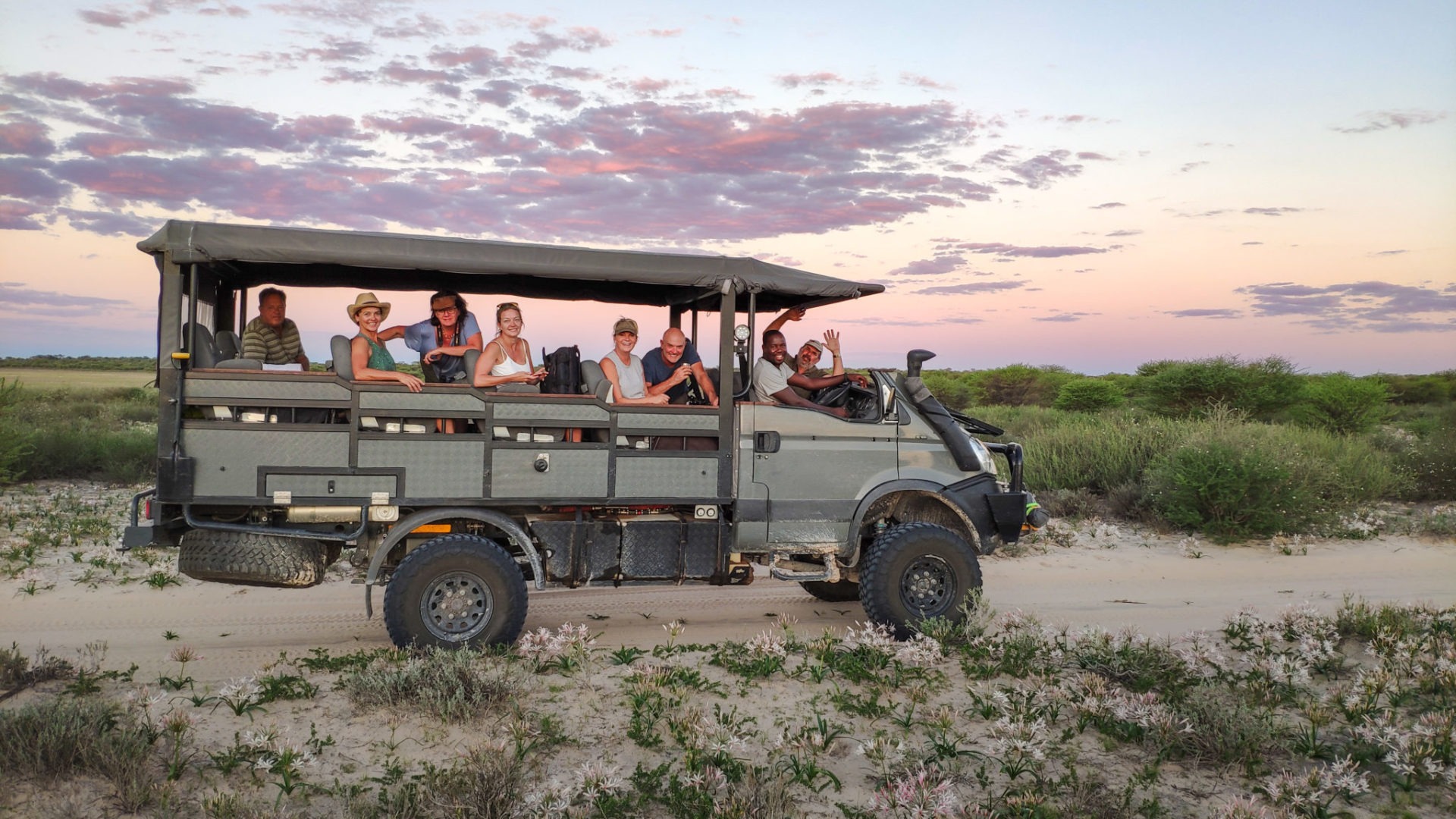
Small safari lodges create excellent social opportunities for older travelers. Solo travelers and couples often enjoy meeting like-minded guests. Shared wildlife experiences create strong connections between visitors.
A small bush camp offers a more personal atmosphere than large resorts. Guests usually share meals, stories, and memorable moments together. These conversations often continue beyond the safari.
A sunrise lion sighting or an elephant encounter can unite strangers. A final-day leopard sighting can become a lifelong memory. These moments often create friendships among safari guests.
Many families say their parents gain a new appreciation for conservation. A safari helps older travelers understand wildlife protection. It also shows why natural areas need continued support.
Best Safari Destinations for Senior Travelers
South Africa: Accessibility, Comfort, and Wildlife Excellence
South Africa remains one of the best safari choices for senior travelers. It offers excellent infrastructure, medical facilities, and comfortable accommodation options. The country provides easier travel compared with many remote safari destinations. Many wildlife areas are reachable by road instead of small aircraft. Kruger National Park and nearby private reserves offer outstanding wildlife experiences. The Sabi Sand, Timbavati, Klaserie, and Thornybush reserves are especially popular.
South Africa also provides reliable healthcare services in major cities. Johannesburg, Cape Town, and Pretoria have internationally recognized medical facilities. English is widely spoken throughout the tourism industry. Travelers can easily manage communication, payments, and travel arrangements. Many South African lodges welcome guests with special requirements. They can often assist with dietary needs, mobility support, and medication storage.
Private reserves near Kruger combine comfort with incredible wildlife viewing. Guests can enjoy Big Five encounters in peaceful environments. Lodges such as Singita Boulders, Lion Sands, Londolozi, and MalaMala offer premium comfort. They provide spacious rooms, excellent food, and personalized service. Many properties can assist guests with limited mobility. Some offer adapted vehicles, ramps, and additional guide support. Travelers should always confirm accessibility before booking. Facilities differ between lodges, even within the same reserve.
Botswana: Unhurried Luxury in Remote Wilderness
Botswana attracts senior travelers seeking exclusive and peaceful safari experiences. The Okavango Delta and Chobe National Park are major attractions. Botswana offers smaller camps and fewer visitors. This creates a quiet atmosphere that many older travelers appreciate. The fly-in camp system provides access to remote wilderness areas. Most camps host small numbers of guests.
Experienced guides provide detailed wildlife interpretation. They help visitors understand animal behavior and local ecosystems. The Okavango Delta offers remarkable biodiversity. Guests can see elephants, lions, leopards, buffalo, hippos, and many bird species. Botswana provides exceptional wilderness experiences. However, travelers should consider the physical requirements.
Small aircraft transfers require climbing steps and entering narrow cabins. This may challenge guests with serious mobility concerns. Game drive vehicles also require some physical movement. Guests usually need to climb several steps. Mokoro excursions involve sitting low in traditional canoes. Standing up afterward may require additional effort.
These activities suit many active senior travelers. However, honest physical assessment remains important. Travelers with major mobility limitations may prefer South Africa. Ground-accessible reserves often provide easier safari experiences.
Health, Comfort, and Safari Preparation for the older adults.
Medical Preparation Before an African Safari
eldery travelers should consult healthcare professionals before planning their safari. This is especially important for guests with existing medical conditions. Conditions such as diabetes, hypertension, and heart disease require careful preparation. Doctors can advise on medications, vaccinations, and travel requirements. Most managed health conditions do not prevent safari travel. Proper planning helps create a safe and comfortable journey.
Travelers should begin preparations early. This allows enough time for medical advice and necessary adjustments. Travel insurance is essential for senior safari travelers. Policies should cover existing medical conditions and emergency evacuation. Insurance limits should include possible hospital costs and international transport. Remote safari locations can require expensive emergency services.
Managing Medication During Safari Travel
Senior travelers should plan medication needs carefully. Remote locations and changing schedules can affect daily routines. Guests should carry enough medication for the entire journey. A reserve supply is also recommended for unexpected delays. Many travelers carry an additional two weeks of medication. This helps during flight changes or extended stays. All medication should remain in hand luggage. Checked baggage creates unnecessary risks.
Original pharmacy labels should remain on all medication containers. This helps during airport and customs inspections. A doctor’s letter can provide additional support. It should explain medication names, dosages, and medical reasons. The document should ideally use English. French can also help in some destinations. Temperature-sensitive medication requires special planning. Insulin and similar medicines need proper storage conditions. Travelers should confirm refrigeration options with safari operators. Lodge facilities may differ between locations.
Plan Your Senior Safari Experience
A carefully planned African safari can provide comfort, discovery, and unforgettable memories. Senior travelers can enjoy wildlife without sacrificing relaxation. Choosing the right destination, lodge, and itinerary makes the experience easier. Professional safari planners can match activities with individual needs. A well-prepared safari allows older travelers to experience Africa confidently. The journey can become one of the most rewarding adventures of a lifetime.
Plan Your Safari
African Wild Trekkers has particular expertise in designing safari itineraries for senior travelers that balance the quality of wildlife experience with practical comfort and medical accessibility. And logistical ease that allows older guests to focus entirely on the experience rather than managing the trip.
We work with our senior guests through a thorough pre-booking consultation that covers health considerations, mobility assessment, and accommodation comfort requirements. And activity pace preferences in enough detail to ensure that every element of the itinerary is genuinely appropriate for your specific situation.
We maintain relationships with the specific lodges across Southern and East Africa that consistently exceed expectations for senior guest comfort. Not simply because their beds are excellent but because their guides are patient and deeply knowledgeable and their staff anticipate needs rather than responding to complaints. And their pace of operations respects the rhythm of older travelers who want to absorb deeply rather than cover extensively.
The senior safari experience at its best is one of the most genuinely restorative and life-affirming travel formats available anywhere in the world. And creating the conditions for that experience to happen is something we do with particular care and particular pride.
Contact African Wild Trekkers at africanwildtrekkers.com/contact with your age and health considerations. And destination interests, and we will design a senior safari itinerary that delivers Africa at its most magnificent within 24 hours.