Waterhole Safari: What Time Do Animals Come to Drink in Africa?
Why Waterholes Are the Best Wildlife Viewing Spots in Africa
Waterhole Safari Experiences: The Best Wildlife Viewing Opportunities in Africa
Why Waterholes Attract Exceptional Wildlife Encounters
A waterhole is one of the most reliable wildlife viewing locations in Africa. It acts as a natural meeting point for many species. Every animal in the ecosystem eventually needs water. Even cautious predators and shy animals must visit these important locations. A patient observer at a productive waterhole can witness incredible wildlife scenes. No advanced tracking skills are always required.
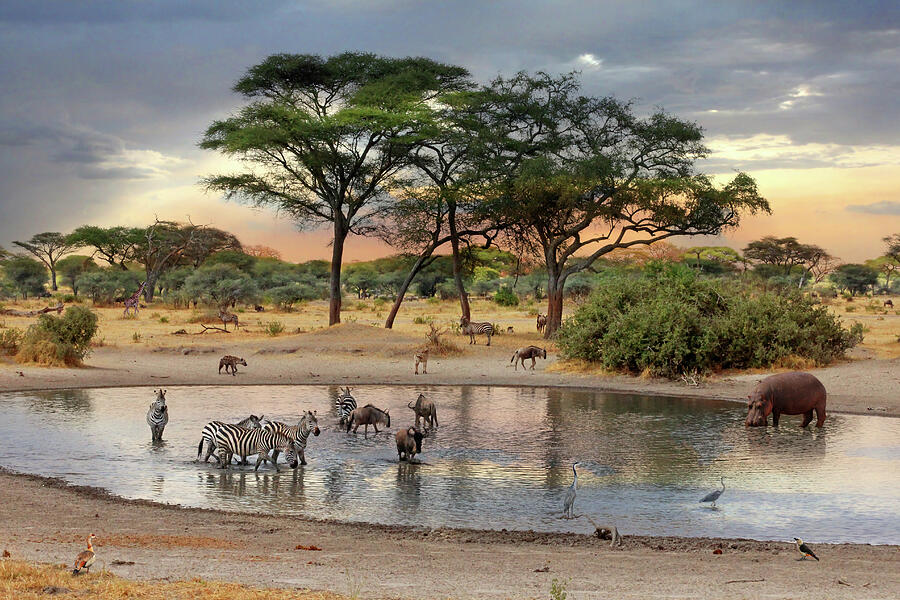
Animals arrive because thirst becomes stronger than their fear of danger. This creates unique opportunities for unforgettable encounters. The waterhole works as a wildlife equalizer. The leopard must drink just like the impala herd.
At the water, both predators and prey become focused on survival. They lower their guard while drinking and cooling down. Understanding animal drinking patterns improves every waterhole experience. Careful observation turns a simple visit into an ecological lesson.
The Importance of Season When Planning a Waterhole Safari
Waterhole productivity changes greatly throughout the year. The dry and wet seasons create completely different wildlife experiences. During the rainy season, usually November to March, water spreads across the landscape. Animals can access many temporary water sources.
This reduces the importance of individual waterholes. Wildlife becomes more scattered because water is widely available. The dry season creates the most dramatic waterhole experiences. This period usually runs from May to October in many African regions.
Natural water sources disappear during these months. Permanent waterholes become essential survival points for wildlife. Large numbers of animals gather around these remaining water sources. A waterhole with ten elephants during drought may have fewer visitors during rains. Travelers seeking waterhole experiences should consider dry-season safaris. June to October often provides the strongest wildlife concentration.
Wildlife Drinking Patterns at Different Times
Early Morning: Predators and Overnight Visitors
The first light at a dry-season waterhole reveals signs of nighttime activity. Many animals visit during the darker hours. Lions, leopards, hyenas, wild dogs, elephants, rhinos, and buffalo often drink overnight. Early arrivals may witness these final morning visitors.
A lion pride may cool itself before temperatures rise. A rhino may stand quietly in shallow water. Elephant families may remain near the water as daylight appears. These early moments create unforgettable wildlife scenes.
Morning waterholes also attract large herbivore groups. Buffalo, zebra, and wildebeest gather before the heat becomes intense. Elephants provide some of the most impressive waterhole experiences. Morning visits reveal their complex social behavior.
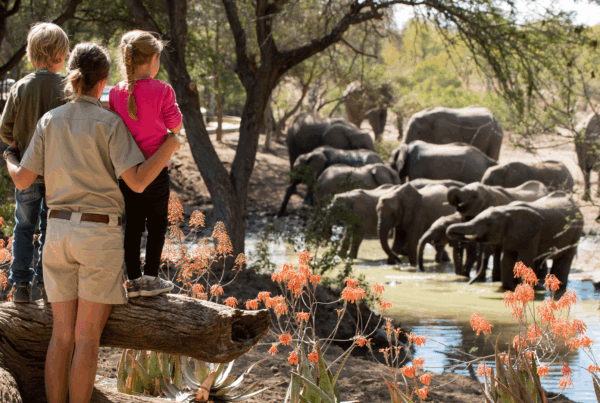
Calves play in mud while adults drink and communicate. Family members use deep sounds that humans cannot hear. Young males may playfully challenge each other in shallow water. Matriarchs carefully monitor their entire family group.
Etosha National Park’s Okaukuejo waterhole offers one of Africa’s famous viewing experiences. Visitors can watch wildlife arrivals throughout the night and morning. Guests enjoy views from comfortable seating without needing game drives. The permanent waterhole attracts continuous wildlife activity.
Midday: Heat-Driven Wildlife Activity
Many safari visitors consider midday a quiet period. However, experienced waterhole observers know this time can be productive. High temperatures force animals to seek water and cooling opportunities. The need to survive overrides normal caution. Elephants often return during midday hours. They drink, bathe, and cover themselves with protective mud.
Midday elephant visits are often playful and relaxed. Families spend time soaking and interacting around the water. Giraffes also visit during quieter midday periods. Their drinking position makes them vulnerable to predators. A giraffe must spread its legs and lower its long neck. This creates a dramatic photographic moment.
Warthogs, impalas, kudus, zebras, and wildebeest also visit regularly. Different species arrive based on their water needs. Smaller animals often drink more frequently than larger species. Warthogs may return several times with their young piglets.
Animals also leave scent signals around waterhole areas. These marks provide information about recent wildlife activity. A predator scent can quickly change animal behavior. Alert movements and warning signals often appear before danger arrives.
Late Afternoon and Evening: The Peak Waterhole Period
The hours before sunset offer the busiest waterhole activity. Cooler temperatures encourage animals to drink before darkness arrives. Most species prefer avoiding water visits after nightfall. Darkness increases predator risks and reduces visibility. The period between four and seven in the evening is especially productive. Many species gather during this golden-hour window.
The warm evening light creates excellent photography conditions. Wildlife scenes become more dramatic and visually powerful. Large buffalo herds may arrive with clouds of dust. Lions may approach while nervous prey animals move away. Elephants often appear quietly from nearby forests. Their calm movement surprises many first-time observers. A successful late-afternoon waterhole experience depends on location and timing. Choosing the right destination improves the chances of exceptional sightings.
Plan Your Waterhole Safari Experience
African Wild Trekkers creates specialized waterhole safari itineraries for dry-season travel. These experiences focus on productive wildlife viewing locations. We choose lodges with private hides and elevated viewing areas. Guests enjoy longer observation periods without crowded conditions. Our team understands which parks and reserves offer the best waterhole encounters. We match locations with seasonal wildlife movements.
We also combine waterhole viewing with traditional game drives. Morning drives explore wider landscapes and afternoon visits focus on waterholes. This balance creates variety and deeper wildlife experiences. Guests enjoy active exploration and patient observation. Contact African Wild Trekkers through africanwildtrekkers.com/contact. Share your destination ideas and travel dates.
We will design a waterhole-focused safari that places you at the right location. We help you experience Africa’s wildlife at the perfect time.