Who Are the Gorilla Families in Mgahinga National Park?
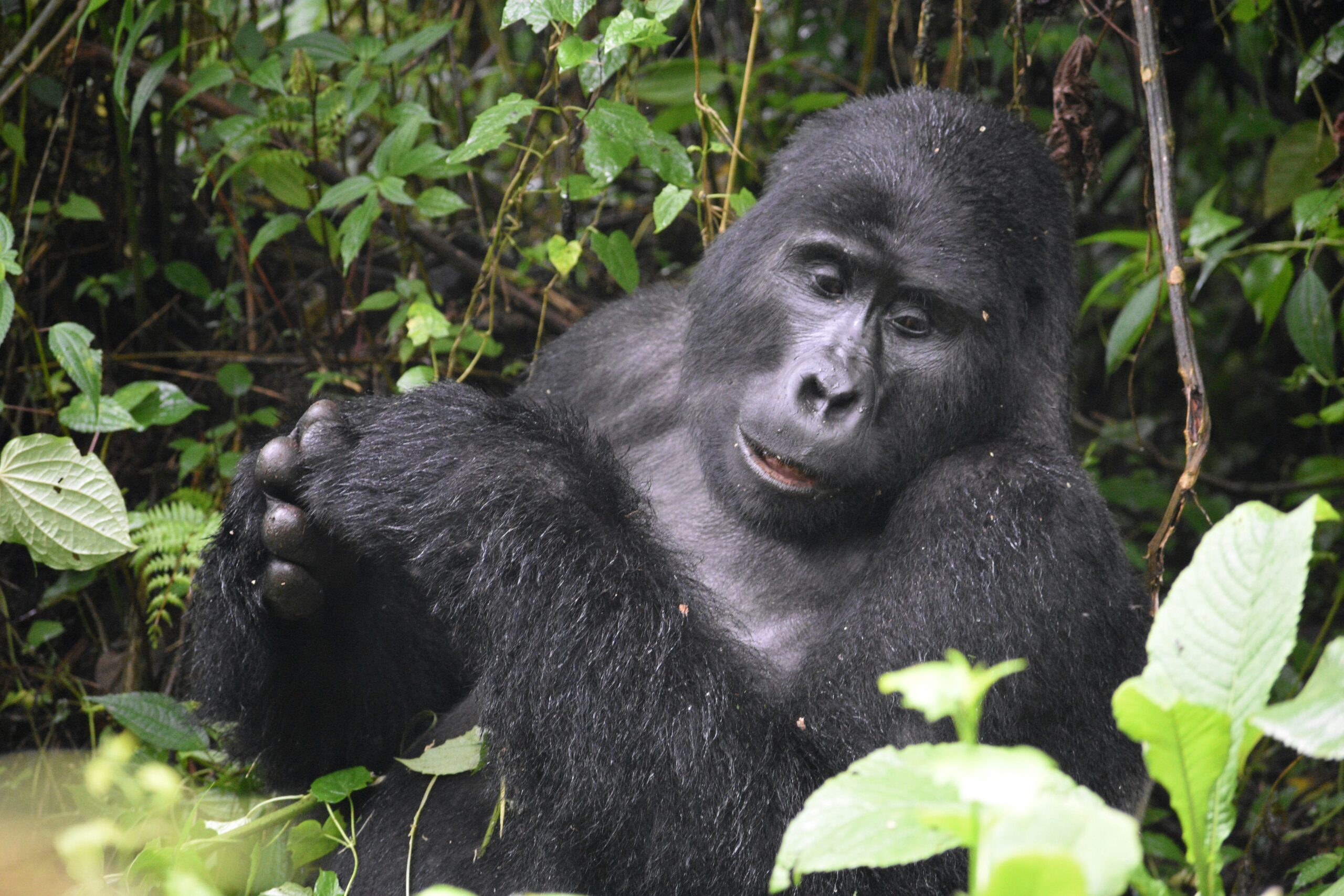
Mgahinga National Park sits in Uganda’s far southwestern corner, where volcanoes rise sharply from fertile green slopes. The park forms part of the greater Virunga Conservation Area shared between Uganda, Rwanda, and the Democratic Republic of Congo. This landscape holds one of the most remarkable wildlife stories in Africa. It protects the endangered mountain gorilla and gives travelers a rare chance to meet a fully habituated family living on Uganda’s volcanic slopes.
Unlike Bwindi Impenetrable National Park, which hosts multiple gorilla families, Mgahinga National Park focuses on a single well-known gorilla family. This makes the trekking experience more exclusive and more concentrated. Every visitor who comes here follows the story of one group that has shaped gorilla tourism in this region for years.
Mgahinga National Park and Its Gorilla Heritage
Mgahinga National Park stretches across three volcanic peaks: Mount Muhabura, Mount Gahinga, and Mount Sabinyo. These mountains form part of the ancient Virunga chain, and they create rich bamboo forests and montane habitats that support mountain gorillas.
The park’s gorilla population moves freely across international borders. This movement happens because gorillas do not recognize human boundaries. They follow food sources, family connections, and seasonal forest conditions. Mgahinga therefore acts as part of a larger ecological corridor rather than a closed habitat.
Gorilla tourism here developed later than Bwindi, but it quickly gained importance. Uganda Wildlife Authority, along with cross-border conservation partners, invested heavily in habituating one gorilla family for tourism. That family became the Nyakagezi Group, the only habituated group in Mgahinga today.
The Nyakagezi Gorilla Family
The Nyakagezi gorilla family defines all gorilla trekking experiences in Mgahinga National Park. This group carries a long and interesting history of movement, leadership changes, and cross-border migration.
The family once moved frequently between Uganda, Rwanda, and the DRC. In earlier years, trekkers often struggled to locate them because they crossed borders for long periods. Over time, conservation teams observed patterns in their movements and strengthened protection in Uganda’s sector of the Virunga Mountains. This stability encouraged the group to settle more consistently within Mgahinga National Park.
Today, the Nyakagezi family lives mainly on the Ugandan side of the Virungas. Rangers track them daily, and visitors now enjoy a high success rate of finding them during treks.
Composition of the Nyakagezi Family
The Nyakagezi family stands out because of its unusual leadership structure. The group includes several adult males, which differs from many gorilla families that often have a single dominant silverback.
The family traditionally includes the dominant silverback known as Mark. He leads the group with a calm but firm presence. He gained recognition for maintaining stability during periods when the group frequently crossed borders. His leadership helped shape the group into a more predictable and tourism-friendly family.
Alongside Mark, other silverbacks like Mafia, Rukundo, and sometimes Gwigi have played important roles within the group. These males often show cooperative behavior rather than constant competition. This rare dynamic fascinates researchers and trekkers because it reflects strong internal social balance.
The family also includes adult females who form the emotional and nurturing core of the group. These females care for infants, maintain social bonds, and move the group through forest paths while feeding. Their interactions with juveniles and infants often create the most memorable trekking moments.
Young gorillas bring energy to the group. Juveniles play, climb vegetation, and interact closely with adults. Infants stay close to their mothers, especially during feeding and movement through dense forest areas. These interactions reveal the social intelligence and emotional depth of mountain gorillas.
Movement Patterns and Territory of Nyakagezi
The Nyakagezi family occupies a relatively stable territory today, but their history still influences their movement behavior. The group prefers the bamboo zones of Mgahinga National Park, especially areas rich in soft shoots and young vegetation.
Bamboo forests provide ideal feeding grounds. Gorillas spend long hours stripping bamboo shoots, which offer high nutritional value. The group also moves into Hagenia forest zones when they need alternative food sources or resting areas.
Rangers track the group daily using radio telemetry and direct observation. This tracking ensures visitors reach them safely and reduces search time. The stable presence of Nyakagezi within Uganda has strengthened Mgahinga’s position as a reliable gorilla trekking destination.
Why Mgahinga Has Only One Habituated Gorilla Family
Mgahinga National Park holds a smaller habitat compared to Bwindi Impenetrable Forest. This size difference naturally limits the number of gorilla families that can fully inhabit the area on a permanent basis.
Conservation teams chose to habituate only one group for tourism to maintain ecological balance and reduce human pressure on the forest. This decision also protects gorilla behavior by limiting frequent human contact across multiple groups.
The Nyakagezi family therefore represents a carefully managed conservation success. Their stability reflects both natural adaptation and human-led protection strategies that prioritize long-term survival over tourism expansion.
The Social Structure of the Nyakagezi Family
The Nyakagezi family demonstrates a fascinating social system that reflects mountain gorilla intelligence and emotional awareness. The group operates through strong bonds rather than rigid hierarchies alone.
The dominant silverback protects the group from external threats and guides movement decisions. However, he does not act alone. Other adult males often support group defense and maintain order during travel. This cooperation reduces conflict and strengthens unity.
Females play a central role in social stability. They form strong relationships with each other and with the silverbacks. These bonds often determine group cohesion more than dominance alone. When females feel secure, they remain in the group and raise their young within its structure.
Infants and juveniles learn through observation and play. They watch adult behavior closely and gradually develop survival skills. This learning process shapes future leaders and maintains continuity within the group.
Trekking the Nyakagezi Gorilla Family
Trekking the Nyakagezi family in Mgahinga National Park offers a different experience compared to other gorilla destinations in East Africa. The trek often takes place in scenic volcanic landscapes where visibility opens up more frequently than in dense rainforest environments.
The bamboo forest creates a unique trekking rhythm. Rangers guide visitors through slopes that shift between open vegetation and thick undergrowth. Hikers often hear the sounds of the forest before they see the gorillas, including breaking bamboo stems and deep chest beats from adult males.
Once trekkers reach the family, they spend one hour observing their behavior. This time allows visitors to see feeding patterns, grooming rituals, and playful interactions. The experience often feels more intimate because only one group exists in the park, reducing trekking congestion.
Conservation Importance of the Nyakagezi Family
The Nyakagezi gorilla family plays a central role in conservation success within Mgahinga National Park. Their stable presence attracts tourism revenue that supports both wildlife protection and community development.
Conservation teams monitor their health, behavior, and movement patterns daily. Veterinary interventions remain rare, but teams stand ready to respond when necessary. Cross-border collaboration between Uganda, Rwanda, and the DRC also strengthens protection for this transboundary population.
Local communities around Mgahinga benefit from tourism through employment opportunities and conservation partnerships. This connection reduces human-wildlife conflict and encourages long-term protection of gorilla habitats.
The Future of Gorilla Families in Mgahinga
Mgahinga National Park currently depends on the Nyakagezi family, but conservation experts continue to study the possibility of additional habituation in the future. Any expansion would require careful ecological assessment to avoid disturbing forest balance.
The future of gorilla tourism in Mgahinga will depend on continued habitat protection, cross-border cooperation, and sustainable tourism practices. The Nyakagezi family remains at the heart of this future, representing both resilience and adaptability in a changing environment.