Machame Route: The Most Popular Path to the Summit of Mount Kilimanjaro
The Machame Route is one of the most famous and successful routes for climbing Mount Kilimanjaro. Known for its stunning scenery, diverse landscapes, and excellent acclimatization profile, it attracts thousands of climbers every year. Many experienced mountain guides consider it one of the best routes for trekkers who want a balance between adventure, scenic beauty, and a high chance of reaching Uhuru Peak.
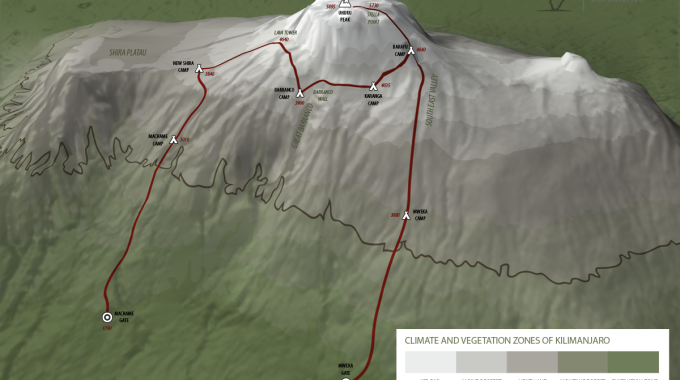
Often referred to as the “Whiskey Route,” the Machame Route offers a more challenging experience than the Marangu Route but rewards climbers with some of the most spectacular views on Kilimanjaro. The trail approaches the mountain from the southwestern side and follows a path that gradually circles around the southern slopes before reaching the summit.
For climbers seeking a memorable Kilimanjaro adventure, the Machame Route consistently ranks among the top choices.
Why the Machame Route Is So Popular
The popularity of the Machame Route comes from its ability to combine breathtaking scenery with effective acclimatization. Unlike some shorter routes that gain altitude rapidly, Machame allows climbers to ascend gradually while following the principle of “climb high, sleep low.” This approach helps the body adjust more effectively to decreasing oxygen levels.
The route also showcases nearly every ecological zone found on Mount Kilimanjaro. Climbers move through dense rainforest, open moorlands, alpine desert landscapes, and eventually the arctic summit zone. Few trekking routes in the world offer such dramatic environmental changes within a single journey.
Another factor that contributes to its popularity is its strong summit success rate. Climbers who choose six or seven-day itineraries often achieve better acclimatization than those on shorter routes, increasing their chances of standing on Africa’s highest point.
The Journey Begins in Kilimanjaro’s Rainforest
The Machame Route starts at Machame Gate on the southern slopes of Kilimanjaro. The first day introduces climbers to the mountain’s lush rainforest ecosystem, one of the most biologically diverse areas on the mountain.
Towering trees covered in moss create a green canopy above the trail. Ferns, orchids, and dense vegetation line the path, while birds and monkeys occasionally appear in the forest. The air feels humid and rich with moisture, creating a sharp contrast to the environments found higher on the mountain.
This section of the climb can be muddy, particularly during the rainy seasons. However, the beautiful forest scenery makes the effort worthwhile and provides a fascinating introduction to the mountain’s ecological diversity.
Crossing the Moorland Zone
As climbers gain elevation, the rainforest gradually gives way to heath and moorland vegetation. This transition reveals expansive views that remain hidden within the forest below.
The landscape begins to open dramatically. Giant heathers dominate the terrain, while unusual plants such as giant lobelias and giant groundsels become increasingly common. These species have adapted to the harsh conditions found at high altitude and create a landscape unlike anywhere else in Africa.
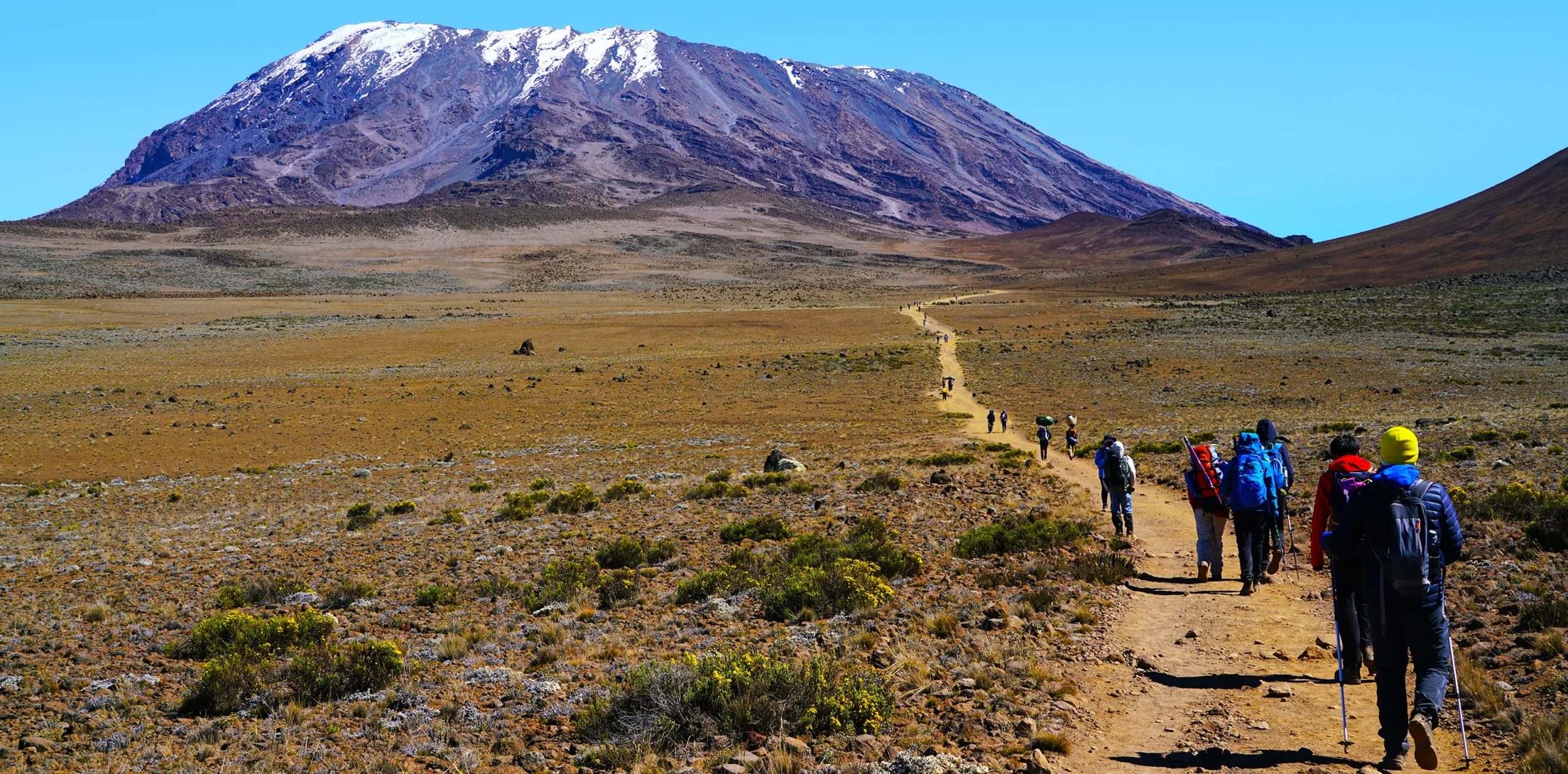
The air becomes cooler and drier as trekkers continue climbing. Views of Kibo Peak, Kilimanjaro’s highest volcanic cone, become increasingly prominent, providing a constant reminder of the challenge that lies ahead.
The Scenic Beauty of the Shira Plateau
One of the highlights of the Machame Route is the crossing of the Shira Plateau. This vast volcanic plateau was formed by the collapse of one of Kilimanjaro’s ancient volcanic cones thousands of years ago.
The plateau offers sweeping views across the mountain and surrounding plains. On clear days, climbers can see dramatic volcanic formations, distant ridges, and vast stretches of open terrain. The sense of space and isolation adds a unique dimension to the trek.
The plateau also serves an important role in acclimatization. Spending time at this elevation allows climbers to begin adapting to thinner air before moving higher up the mountain.
Lava Tower and Acclimatization
As the trek continues, climbers ascend toward Lava Tower, one of the most important acclimatization points on the Machame Route. This volcanic rock formation rises to approximately 4,630 meters and provides a critical opportunity for the body to adjust to altitude.
The journey to Lava Tower can feel physically demanding because oxygen levels decrease significantly at this elevation. Many climbers experience mild symptoms of altitude adjustment such as shortness of breath or headaches.
After reaching Lava Tower, the route descends to Barranco Camp. This descent is not a setback but an essential part of the acclimatization process. By climbing higher during the day and sleeping at a lower altitude, the body adapts more efficiently to the mountain environment.
This strategy plays a major role in the route’s strong summit success rates.
The Famous Barranco Wall
The Barranco Wall represents one of the most iconic sections of the Machame Route. Despite its intimidating appearance, it does not require technical climbing skills. Instead, it involves careful scrambling over rocky terrain while following established paths.
Many climbers initially feel nervous when they see the wall rising above Barranco Camp. Once they begin climbing, however, they often discover that the challenge is more manageable than expected.
The ascent provides spectacular views of glaciers, valleys, and surrounding volcanic formations. Reaching the top of the wall often becomes one of the most rewarding moments of the entire trek.
Entering the Alpine Desert
Beyond Barranco, the route enters the alpine desert zone. Vegetation becomes increasingly sparse, and the landscape takes on a rugged, almost lunar appearance.
Strong sunlight during the day contrasts sharply with cold nighttime temperatures. The environment feels harsh and exposed, reflecting the extreme conditions that characterize high-altitude mountain ecosystems.
Despite the challenging environment, many climbers find this section fascinating because it reveals the raw geological character of Kilimanjaro. Massive rock formations and sweeping views dominate the landscape as the summit draws closer.
Summit Night on the Machame Route
Summit night is the most demanding stage of the climb. Trekkers usually leave camp around midnight and begin the final ascent under the light of headlamps.
The climb progresses slowly across steep volcanic scree. Temperatures often fall below freezing, and strong winds can add to the challenge. Every step requires determination and patience as climbers move through the darkness toward the summit.
As dawn approaches, the first light illuminates the glaciers and volcanic slopes surrounding the mountain. This moment often provides a powerful source of motivation for climbers nearing the summit.
Reaching Uhuru Peak at sunrise delivers one of the most unforgettable experiences in Africa. The panoramic views extend across Tanzania and beyond, rewarding days of effort and perseverance.
Physical Fitness Requirements
The Machame Route requires a good level of physical fitness, but it remains achievable for many people who prepare properly. Long walking days, steep sections, and high altitude create significant demands on the body.
Regular hiking, cardiovascular exercise, and endurance training can improve preparedness before the climb. Mental resilience also plays an important role, particularly during summit night when fatigue becomes a major factor.
Climbers do not need technical mountaineering experience, but they benefit greatly from arriving with strong overall fitness and realistic expectations.
Best Time to Climb the Machame Route
The best climbing conditions generally occur during Kilimanjaro’s dry seasons. January to March often provides clear skies, moderate temperatures, and relatively quiet trails. June to October also offers excellent weather and attracts large numbers of climbers.
The rainy seasons bring wetter conditions and reduced visibility, particularly in the rainforest zone. However, some trekkers still choose these periods because the mountain becomes less crowded.
Regardless of the season, weather conditions on Kilimanjaro can change rapidly. Climbers should prepare for sunshine, rain, wind, and freezing temperatures during the same expedition.
Why Many Climbers Choose the Machame Route
The Machame Route continues to attract climbers because it delivers a complete Kilimanjaro experience. It offers exceptional scenery, strong acclimatization opportunities, and a realistic chance of reaching the summit.
The route challenges trekkers physically while rewarding them with constantly changing landscapes and remarkable views. From rainforest trails to glacier-covered summit slopes, every stage presents something different.
For many adventurers, the Machame Route represents the perfect balance between challenge and achievement, making it one of the most respected trekking routes on Mount Kilimanjaro.