Treehouse Overnight Africa: Sleeping Elevated in East Africa’s Wildlife Areas
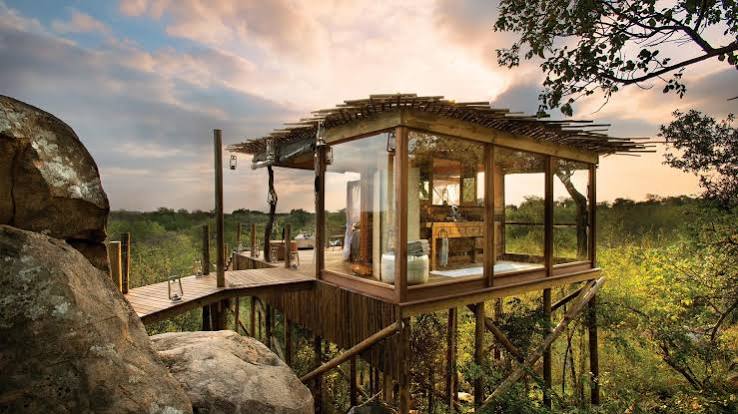
Sleeping above the ground changes the wildlife experience entirely. From 5 to 10 metres in the canopy, the visitor sees the bush at the level birds and primates occupy. This is completely different from the ground perspective that game drives deliver. Night sounds carry differently from above. The directional acoustic horizon expands. Distant lions and hyenas register more clearly without ground vegetation absorbing the sound. Moreover, animals moving below the treehouse approach more closely and behave more naturally. The elevated position reads as less threatening to wildlife than a human presence at ground level. The treehouse overnight delivers everything the star bed experience offers — night sky, bush sounds, nocturnal wildlife — with the addition of canopy-level perspective.
Famous East Africa Treehouse Experiences
The Ark in Kenya’s Aberdare National Park is the most historically significant treehouse accommodation in East Africa. It is built above a floodlit waterhole in the highland forest. The Ark allows visitors to watch a continuous stream of forest wildlife throughout the night. Forest elephants, buffalo, rhino, giant forest hog, and bushbuck all visit the waterhole after dark. A buzzer system alerts sleeping guests when specific high-value animals appear. The night at The Ark is one of Kenya’s most distinctive wildlife experiences — wholly unlike any savanna game drive. Additionally, Treetops, a few kilometres away, carries particular historical significance. Princess Elizabeth was staying there when she learned of her accession to the throne in 1952.
Tanzania and Uganda Treehouse Options
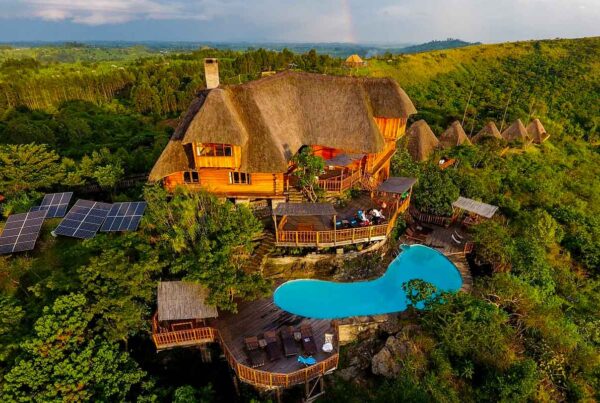
Tanzania’s Tarangire National Park carries several elevated sleeping platforms within private concession camps. These platforms sit in large fig trees and acacia above active elephant and buffalo trail corridors. The night sounds at these platforms include passing elephant herds within metres of the tree. Uganda’s Bwindi forest boundary lodges offer several elevated rooms and observation decks above the forest canopy margin. The forest edge position provides both the forest sounds and the open highland sky visible above the canopy. Chimp vocalisations in the early morning, hornbill calls, and colobus alarm calls all carry clearly to the elevated platform. Furthermore, some Bwindi camps have built specific tree platforms at the forest margin for evening wildlife sitting.
Wildlife Encountered from Treehouse Height
Ground-level animals respond differently near treehouse structures than near ground-level accommodation. Elephants at Aberdare’s The Ark pass directly below the decks without concern. The elevated structure reads as non-threatening to them. Buffalo graze to within 10 metres of the waterhole directly below night observers. Leopards use the darkness and canopy cover around treehouse structures for nocturnal hunting circuits. The waterhole at The Ark attracts over 50 species of mammal and bird across a full year. A single night typically produces 10 to 20 species across the dark hours. The most active period runs from 22:00 through to 02:00.
Plan Your Safari
The Ark and Treetops in Kenya’s Aberdares require a standard full-day booking. Guests arrive in the early afternoon, spend the full night at the lodge, and depart after breakfast the following morning. All meals and night viewing are included in the accommodation package. Tanzania’s elevated camp experiences in Tarangire require multi-night bookings at the specific concession camps. Uganda’s Bwindi elevated experiences book alongside gorilla tracking permits as a component of the western Uganda circuit.
African Wild Trekkers includes Aberdare treehouse nights and elevated camp experiences in Kenya, Tanzania, and Uganda itineraries. Contact us to plan a safari that adds this extraordinary elevated perspective to your East Africa wildlife experience.